
Police Raid Researchers Behind Controversial Newborn Vaccine Trial Backed by $1.6 Million in US Funding
Police in Guinea-Bissau have raided the offices of researchers behind a US-funded trial that would withhold hepatitis B vaccine from 7,000 newborns for six weeks, seizing a batch of doses on Monday. The study has drawn warnings of lifelong liver disease in infants.
Judicial police said the operation aimed to clarify the circumstances of the vaccine batch. They stressed that the seizure does not, in itself, mean there were irregularities in the quality, safety or effectiveness of the vaccines.
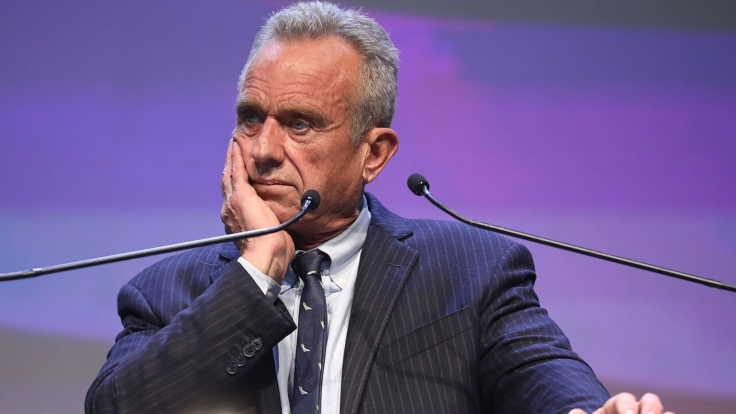
The Bandim Health Project, founded in 1978 by anthropologist Peter Aaby, is now co-led by epidemiologist Christine Stabell Benn. US Health Secretary Robert F Kennedy Jr has repeatedly praised their work, calling them 'the deities of vaccine research'.
Danish authorities are investigating Aaby and Stabell Benn over alleged scientific misconduct. She helped present evidence to a US vaccine panel that voted to end the universal hepatitis B birth recommendation before a federal judge stayed such decisions.
Trial Would Withhold Birth Dose
The US Centers for Disease Control and Prevention (CDC) announced the unsolicited $1.6 million (£1.2 million) grant in December. The Pershing Square Foundation and the Bluebell Foundation matched it, bringing the total to $3.2 million (£2.4 million).
The trial would enrol 14,000 newborns, with half vaccinated at birth and half at six weeks, the current national schedule. Researchers argue no infant would get fewer vaccines than the schedule provides and want to study broader outcomes such as overall deaths.
Hepatitis B kills 15 to 25 per cent of people with chronic infections, causing cancer and liver failure. About 90 per cent of babies infected at birth become chronic carriers, according to the World Health Organization (WHO).
More than 12 per cent of adults in Guinea-Bissau are estimated to live with chronic hepatitis B. Infection in children under five, about 2 per cent in 2020, is far above the global target of 0.1 per cent or less.
A timely birth dose prevents 70 to 95 per cent of mother-to-baby transmission. The vaccine has been used for more than three decades and is part of national schedules in more than 115 countries.
WHO Calls Trial Unethical
WHO spokesperson Tarik Jašarević said any study that would deny the vaccine to participants was 'unethical and exposes newborns to serious and potentially irreversible harm'. The spokesperson called birth-dose vaccination an 'essential public health intervention'.
In February, WHO said no-treatment vaccine trials are acceptable only when no proven intervention exists or the design is indispensable. It said neither condition appears to be met, based on public descriptions, and flagged a significant risk of bias.
It added that resource limits cannot justify withholding proven care in research, and noted the protocol does not appear to ensure minimum harm reduction, such as screening pregnant women.
It also said Guinea-Bissau had suspended the study pending further technical reviews. The country decided in 2024 to add the birth dose to its schedule, with introduction planned by 2028.
Approval Questions Persist
Bandim posted a letter of approval from Guinea-Bissau's national ethics committee dated 14 July. A Danish research ethics committee also approved the study.
Health Minister Quinhin Nantote disputed reports that the trial would proceed, saying: 'This is not even remotely true.' The minister said the government has not yet authorised it and that research on children must follow national law and ethical principles.
Aaby, Stabell Benn and lead researcher Frederik Schaltz-Buchholzer did not respond to requests for comment. A Stand Up for Science report said Bandim has done little to improve the country's health capacity in five decades.
Bandim is fundraising to help roll out birth-dose vaccination to all newborns. WHO stands ready to help Guinea-Bissau deliver the dose within 24 hours of birth and support antenatal screening for hepatitis B.