
California, Maine and 14 Other States Sue RFK Jr as 7 Childhood Vaccines Lose Universal Recommendation
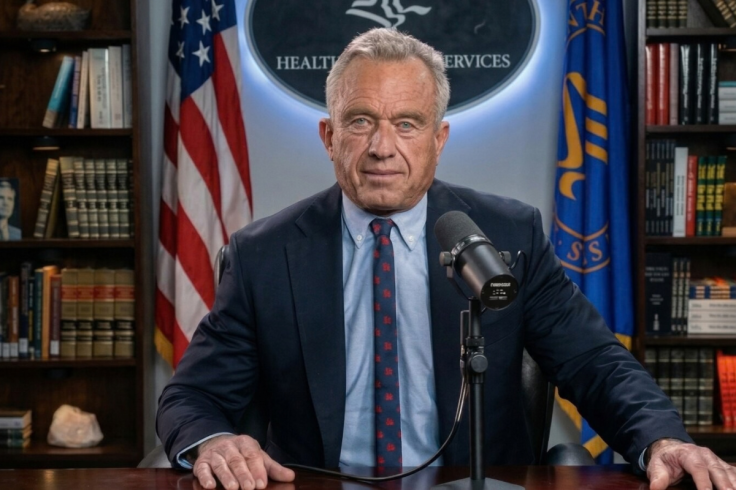
Nearly half of the 289 children who died from flu in the 2024-25 season had no underlying medical conditions, and 16 states say the new vaccine schedule could put more children at risk. The states have sued US Health and Human Services (HHS) Secretary Robert F. Kennedy Jr.
The states say that was the highest toll since reporting began outside the 2009 pandemic. Among those whose vaccination status was known, 89 per cent were not fully vaccinated.
In January, the Centers for Disease Control and Prevention (CDC) stopped recommending seven vaccines for all children. They protect against rotavirus, meningococcal disease, hepatitis A, hepatitis B, influenza, COVID-19 and RSV.
The states say most of the vaccines were moved to "shared clinical decision-making", a category they argue was historically reserved for rare cases where science was genuinely uncertain.
A district court has temporarily blocked the changes in a separate suit brought by medical groups, but the administration has appealed. The states want the previous schedule restored.
'For decades, these vaccines have kept millions of children out of the hospital and saved countless lives,' said New York Attorney General Letitia James in an official release. 'Families deserve guidance grounded in science, and these abrupt changes put children's health at risk.'
Health Risks Mount
The states say RSV is the leading cause of hospitalisation for infants in the US, sending up to 80,000 children to hospital each year. RSV vaccination is among the seven no longer recommended for all children.
In December 2025, the new advisory panel voted to end the recommendation that all babies receive a hepatitis B birth dose, in place since 1991. Members acknowledged there was no evidence the birth dose causes harm.
Researchers estimate that delaying the first hepatitis B dose by two months could cause at least 1,400 new childhood infections every year. The model estimated that this could eventually lead to nearly 300 cases of liver cancer and 480 hepatitis B-related deaths.
What Studies Show
A CDC analysis estimated that routine childhood vaccination prevented about 508 million illnesses, 32 million hospitalisations and more than 1.1 million deaths among children born in the US from 1994 to 2023.
A study of routine childhood immunisation in the US found reduced incidence of all targeted diseases. Reductions ranged from 17 per cent for influenza to 100 per cent for diphtheria, Haemophilus influenzae type b, measles, mumps, polio and rubella.
Legal Fight Unfolds
The states challenge Kennedy's June 2025 firing of all 17 voting members of the CDC's Advisory Committee on Immunization Practices. They say the replacements lack the necessary expertise.
The states say internal HHS emails show Kennedy asked that the agenda include weakening the hepatitis B recommendation for healthy children before members were seated. They add that three officials urged the CDC to adopt his preferred schedule.
The states argue the changes are arbitrary and capricious and contrary to law, in violation of the Administrative Procedure Act. They ask the court to declare the schedule unlawful, set aside Kennedy's appointments and reverse the hepatitis B decision.
Medical groups led by the American Academy of Pediatrics initially won a ruling that Kennedy unlawfully replaced the committee's members. The American College of Physicians and the Society for Maternal-Fetal Medicine joined the suit.
The groups argue weakened recommendations could reduce coverage, increase vaccine hesitancy, spread preventable diseases and raise mortality. The states say the schedule adds another barrier for more than 100 million Americans without regular primary care.