
Testosterone Injections Promise Faster Muscle Growth, but Men Without a Deficiency Could Face Serious Risks
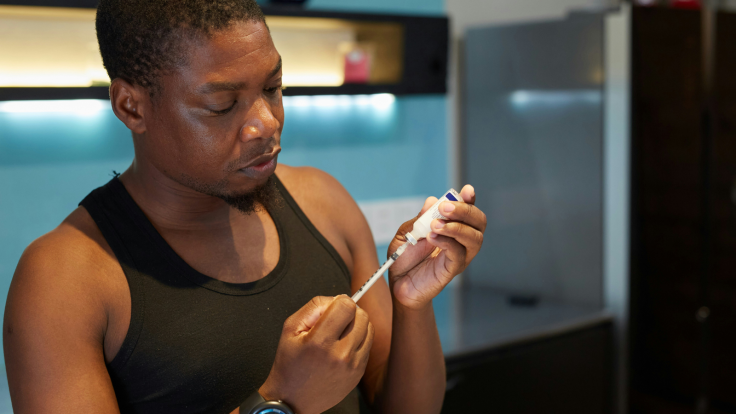
Men with no diagnosed deficiency are injecting testosterone obtained without a prescription, and doctors warn it can shut down the body's own production for months or even years. The trend, dubbed 'testmaxxing', is fuelled by promises of faster muscle growth.
Aiden, whose name has been changed, started injecting after turning 30 without ever having his levels checked. He skipped seeing a doctor so he would not be talked out of it, and reports more energy, strength and faster recovery after three cycles.
Henry, whose name is also changed, began after a friend recommended it, despite a regular blood screening that found no deficiency. He obtained a product labelled Pharma Test 250 from a backdoor supplier and says his gym weights have risen dramatically.
Why Men Chase Faster Gains
Dr Sam Saling, a general practitioner, said testosterone is the main male sex hormone. In adult men, it supports libido, erectile function, muscle strength and mass, bone density, sperm production and red blood cell production.
That explains the appeal. Google Trends data show US search interest in testosterone is 30 per cent higher over the past 12 months than the year before.
Dr Joseph P. Alukal, director of Men's Health at Columbia University, says more patients are asking about testosterone than ever before. Men whose levels are normal, he said, face serious health risks.
For men with normal levels and no symptoms of androgen deficiency, injections are not likely to be the answer. A lack of morning erections, or a complete change in, or absence of, libido is worth investigating, he added.
Serious Risks of Unsupervised Use
Dr Tim Moss, an associate professor, said healthy bodies are good at regulating hormone levels. Healthy boys and men, he said, need not worry about their testosterone levels.
Taking testosterone, he added, suppresses the body's natural testosterone production and can reduce or stop sperm production. Recovery after stopping varies, and sperm production can take months or even years to return to normal. Withdrawal symptoms can also make quitting difficult
Synthetic testosterone can cause polycythaemia, which can raise the risk of blood clots and stroke. Doctors also flag mood disorders, irritability, tendon rupture, liver disease, heart attacks and even death.
Cleveland Clinic says testosterone injections are generally administered by a healthcare professional and that patients need regular monitoring of their testosterone levels. Heart attacks and strokes have also been reported with testosterone injections.
What Medical Research Shows
A review of testosterone replacement therapy, or TRT, on PubMed Central found polycythaemia, an abnormally high red blood cell count, can develop in over 20 per cent of treated men. It also discussed breast tenderness and enlargement as potential side effects of TRT.
It advised checking blood counts before and during treatment, and raised concerns about sleep apnoea and reduced sperm production. Those findings relate to men treated for symptomatic low testosterone.
Harvard Health Publishing has reported that a large clinical trial found no increased risk of cardiovascular death, non-fatal heart attack or non-fatal stroke among men receiving testosterone therapy compared with those given a placebo. The findings applied to men with low testosterone levels who were at increased cardiovascular risk; they do not establish that testosterone is safe for men without a diagnosed deficiency.
Harvard Health Publishing cautions that fatigue alone does not establish testosterone deficiency and that treatment is not a proven way to restore the physical fitness of youth. Testosterone therapy can also suppress the body's natural production of the hormone.
Body Image and Health Costs
Asked why he injects despite the risks, Henry gave a blunt answer: 'body dysmorphia'. Aiden said he feels more masculine on injections, though he admits he has not previously had 'proper blood work'.
Aiden reported shoulder acne as his only side effect so far. Henry said seeing a doctor carries 'a layer of judgement', despite probably being safer.
Genuine men's health concerns can be conflated online with anxiety about a hormone that predominantly takes care of itself. Both men are aware of the risks, but chose to proceed without medical advice.