
Reddit Users Turn to ChatGPT for Medical Advice, With Some Getting Tests Without Doctors
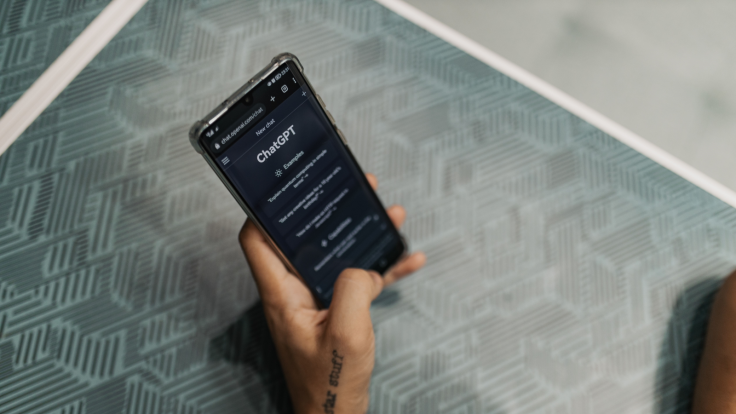
Some people use ChatGPT for more than understanding their symptoms. They also turn to the artificial intelligence chatbot for suggestions about medical tests, with some Reddit users reporting that they obtained blood tests before consulting a doctor.
A new study examining Reddit discussions has highlighted how generative artificial intelligence (AI) is influencing people's healthcare decisions, including how they seek medical attention, communicate with clinicians and investigate unexplained symptoms.
Published in Healthcare on 14 October 2026, the study analysed 291 Reddit posts describing health-related AI use. Researchers examined discussions from r/AskDocs and r/ChatGPT covering the period from 1 November 2024 to 30 October 2025. ChatGPT was the most frequently mentioned AI tool.
The findings reveal that people are using AI both alongside professional healthcare and, in some circumstances, beyond it.
Some Users Obtain Tests Suggested by ChatGPT
Researchers identified accounts in which users acted on AI-generated suggestions to pursue diagnostic testing, sometimes with limited involvement from healthcare professionals.
One Reddit user reported visiting a laboratory for blood tests recommended by ChatGPT before attending a scheduled medical appointment. Others described using AI to identify tests they believed could help explain persistent symptoms.
Not every case involved bypassing a doctor. One user sent their healthcare team a message listing tests suggested by ChatGPT and another AI system. The clinicians subsequently ordered the tests, and the results were reviewed with a neurologist.
These accounts illustrate how AI-generated suggestions can influence conversations between patients and healthcare professionals, potentially shaping which conditions are investigated and which tests are considered.
However, the study examined users' accounts rather than independently verifying their medical histories or the appropriateness of the tests. It therefore does not establish how often AI recommendations lead to unnecessary testing or whether independently obtained tests improve health outcomes.
Why Are People Turning to AI for Medical Advice?
The study identified several reasons people sought AI assistance, including understanding symptoms, interpreting test results, preparing for appointments, and managing uncertainty while waiting for medical care.
Some users described turning to chatbots after consultations that left them confused or dissatisfied. Others reported persistent symptoms without a clear diagnosis and used AI to explore possible explanations.
Access barriers also played a role. Users mentioned healthcare costs, long waiting times, insurance limitations, and difficulties accessing specialist services. In these circumstances, a chatbot can offer immediate responses when professional advice is difficult to obtain.
Yet the researchers also found that AI use could create further uncertainty. Some users compared answers from different chatbots, checked responses against online information or sought opinions from Reddit communities when AI advice conflicted with their doctors' assessments.
AI Advice Does Not Replace Medical Assessment
Although chatbots can help people organise symptoms and prepare questions for appointments, their suggestions should not be treated as confirmed diagnoses or instructions to undergo specific tests.
AI-generated responses may overlook important clinical details, suggest inappropriate investigations, or provide misleading interpretations of symptoms and results. A test that appears relevant in a chatbot conversation may not be necessary once a clinician considers the person's medical history and examines them.
Independent testing can also leave people uncertain about what abnormal or inconclusive results mean and what follow-up care is needed.
The researchers argue that healthcare professionals should be prepared to discuss concerns patients bring from AI tools, assess requests for investigations, and clarify how independently obtained results should be followed up.
The study does not suggest that every use of AI undermines medical care. Instead, it shows that people are incorporating chatbots into healthcare decisions in different ways, sometimes to support professional consultations and sometimes when access to care feels inadequate.
As AI becomes a more familiar source of health information, the challenge for patients and clinicians will be ensuring that its convenience supports informed medical decisions rather than becoming a substitute for professional assessment.