
97% of Us Soldiers Complete Brain Health Tests as Military Investigates Hidden Risks of Blast Exposure
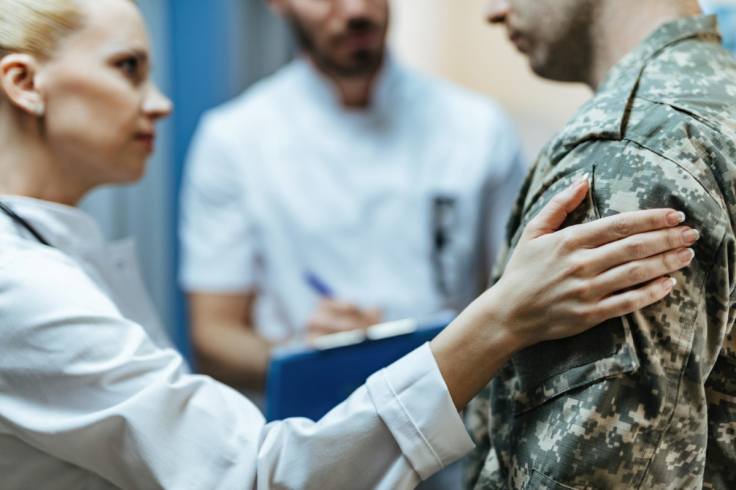
Nearly all US Army soldiers have completed a mandatory brain health assessment designed to help medical professionals monitor cognitive changes associated with blast exposure, as concerns grow over the potential effects of routine weapons training.
The Army reported that approximately 97% of soldiers had taken the Neurocognitive Assessment Tool (NCAT), a computer-based test that measures cognitive functions, including attention, concentration, reaction time, memory, processing speed and decision-making.
The milestone marks progress in the military's efforts to monitor brain health and identify potential injuries. However, completing the assessment does not mean a soldier has been diagnosed with a traumatic brain injury (TBI).
What Does the Army's Brain Health Test Measure?
The NCAT establishes a baseline of a soldier's cognitive functioning, allowing medical professionals to compare later results and investigate significant changes following a suspected injury.
'By establishing a baseline for all Soldiers, we're able to monitor brain health, as well as ... let medical providers help with treatment, if required,' Jordan Gillis, the Army's assistant secretary for installations, energy and environment, said in an official release.
Soldiers in high-risk military occupations, including field artillery, combat engineering and explosive ordnance disposal, face additional monitoring requirements. Those in designated high-risk roles must complete the assessment annually, while other soldiers are required to take it every three years.
The assessment forms part of a broader programme intended to track blast exposure, reduce risks and improve access to treatment when injuries occur.
Why Is Blast Exposure a Brain Health Concern?
Blast overpressure occurs when an explosion generates a sudden increase in air pressure. Weapons used during military training and combat can expose personnel to these pressure waves, even when they do not sustain a direct blow to the head.
Repeated exposure has raised concerns about potential neurological effects, including traumatic brain injuries and cognitive difficulties.
A TBI can affect memory, concentration, balance, and other aspects of brain function. Symptoms vary according to the nature and severity of the injury, and some may not be immediately apparent.
The US Government Accountability Office (GAO) highlighted the issue in an August 2026 report examining the Department of Defense's efforts to manage the potential brain health effects of weapons-related blast exposure.
The report found that military services had made progress with cognitive assessments but faced resource constraints, including shortages of staff and technology. It also identified difficulties tracking service members' exposure to blast overpressure.
These challenges matter because establishing a baseline is only one part of protecting brain health. Effective monitoring also requires reliable exposure records, appropriate follow-up, and access to medical assessment when symptoms or changes emerge.
What Happens Next?
The Army plans to introduce a broader directive covering hazard assessments, exposure tracking, risk reduction, cognitive monitoring, injury reporting and education.
The Pentagon has also announced a one-year pilot programme to test a mobile application for cognitive assessments. Officials hope the app will require fewer resources and improve the military's ability to track exposure.
The 97% completion figure is an important milestone, but it does not establish how many soldiers have sustained blast-related brain injuries or whether the screening programme has reduced their incidence.
For soldiers, the longer-term value will depend on whether the assessments help clinicians identify meaningful changes and provide timely care.