
WNBA Coach Natalie Nakase Collapses During Playoff Game and Later Turns to Heart Monitor After 'Wake-up Call'
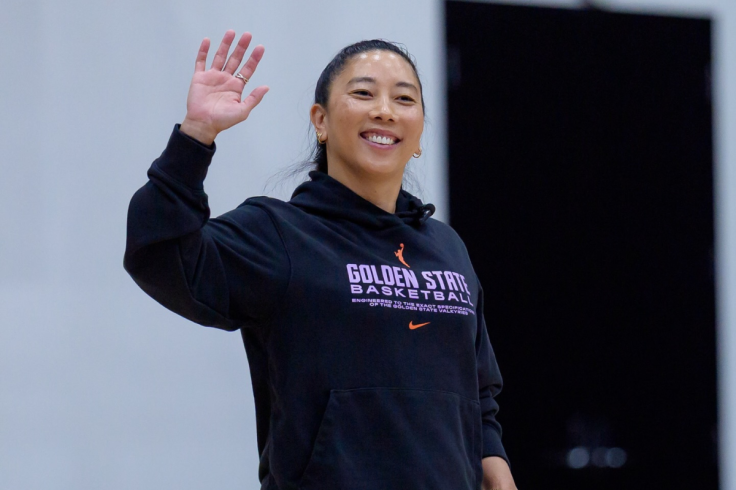
A sudden collapse can be harmless, or it can be an early sign of a heart problem. Telling the two apart takes medical checks, which is why Golden State Valkyries coach Natalie Nakase will now wear a heart monitor.
Nakase, 46, went down during a decisive WNBA playoff game on 2 October and later called it a 'wake-up call'. She said doctors checked her and that 'everything looks good', but she wants more information about her heart as the playoffs continue.
What Fainting Can Signal
Nakase has not publicly confirmed that she lost consciousness, and she described the episode as 'a little exhaustion'. The available information does not establish whether she fainted or what caused her collapse.
That distinction matters because fainting, or syncope, is a temporary loss of consciousness caused by reduced blood flow to the brain. The American Heart Association says it can have harmless causes but can also be linked to serious heart problems.
Dr Elijah Behr, a cardiologist at Mayo Clinic Healthcare in London, describes vasovagal syncope as the most benign form. Cardiac syncope, he says, can result from an underlying problem such as an abnormal heart rhythm.
He identifies fainting during exercise, palpitations and a family history of heart disease or sudden death as warning signs. He says a first faint should not simply be ignored.
He also says younger people can have heart disease behind cardiac syncope. In such cases, the episode may be a warning of something more serious and warrant further investigation.
Anyone with syncope should have an initial evaluation, which can include a medical history, physical examination, blood pressure and heart rate checks, and a resting electrocardiogram. This test can provide clues about abnormal heart rhythms.
If a heart abnormality is suspected, tests may include a Holter monitor, stress test, echocardiogram or an ambulatory or implantable cardiac monitor. Longer monitoring can catch what a single check may miss.
Nakase to Wear Monitor
Nakase said she will wear a heart monitor 'just for information, just to see'. She said information is important to her and she already uses an Oura ring, but wants to be 'proactive' and 'smart' about her health.
She said she had eaten and was well hydrated before the game and did nothing differently. Her father, who died in 2021, once warned her not to let her career complicate her mental or physical health.
The collapse came with 1:40 left in Game 3 of the first round against the Dallas Wings. Athletic trainer Katelin Knox helped Nakase up, and she finished the game from the bench as the Valkyries won 77-73 after trailing by 16.
Natalie Nakase went down while talking to the officials. She was able to lead the Valkyries in the huddle and stay on the bench. Hope she is ok 🙏🏽 https://t.co/2n1gn6Too3
— ClutchPoints (@ClutchPoints) October 3, 2026
She said her sister was very concerned after seeing the scare on television. Nakase thanked reporters for their concern and said: 'I'm good.'
Nakase then coached the semifinal opener on 4 October, a 71-60 win over the Las Vegas Aces. Doctors had cleared her to do so after examining her on the off day.
A Health Wake-Up Call
Nakase's decision to wear a heart monitor does not establish that she has a heart condition. Her comments indicate that she wants more information after the collapse and intends to look after her health more closely.
The episode came during a demanding playoff run, and Nakase has since returned to coaching. Her decision to monitor her heart shows why even a brief collapse can prompt a closer look. Whether she needs further tests is for her doctors to decide.