
Jamie Foxx Says He 'Almost Died' After 2023 Health Scare With Less Than 3% Survival Odds Due to a Brain Bleed
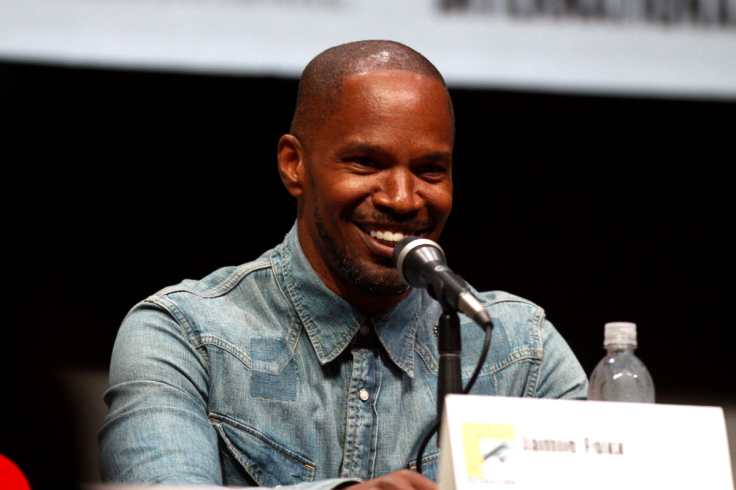
Jamie Foxx is opening up again about the medical emergency that nearly killed him, three years after a brain bleed led to a stroke and left him facing a difficult recovery.
Speaking to ABC News' Will Reeve on Good Morning America on Monday, the 58-year-old actor, comedian and singer said he was close to dying during the 2023 health scare.
'Man, I almost died,' Foxx said. He recalled later returning to the hospital to see the nurses who had cared for him, one of whom told him he was a 'three percenter', meaning fewer than 3% of people who arrived with what he had survived, according to Foxx's account.
Foxx has previously revealed that his medical emergency began with a severe headache on 11 April 2023. He later said doctors told his family that he had suffered a brain bleed that led to a stroke. He has also described waking up in a wheelchair and having little memory of about 20 days surrounding the crisis.
What Is a Brain Bleed?
Cleveland Clinic defines a brain bleed, which is also known as intracranial haemorrhage, as a type of stroke which occurs when a blood vessel ruptures and bleeding develops in or around the brain. Depending on its location and severity, the bleeding can put pressure on brain tissue and cause potentially life-threatening damage.
A stroke can occur when bleeding damages the brain, making a haemorrhagic stroke different from the more common type of stroke caused by a blocked blood vessel.
The World Stroke Organisation estimates that around 12 million people worldwide experience a first stroke each year, while one in four adults aged over 25 will have a stroke during their lifetime. Stroke remains one of the world's leading causes of death and disability.
Why a Sudden Headache Should Not Be Ignored
Foxx has said his ordeal began with a bad headache. While most headaches are not caused by a brain bleed, a sudden, extremely severe headache can be a warning sign of a serious neurological emergency.
Other possible stroke symptoms include sudden weakness or numbness, particularly on one side of the body, difficulty speaking or understanding speech, vision problems, dizziness, confusion or problems with balance.
The Stroke Association stresses that stroke is a medical emergency and advises people to seek emergency help immediately if symptoms appear.
Why Fast Treatment Matters
The consequences of a stroke can vary considerably depending on which part of the brain is affected and how much damage occurs. Survivors may experience problems with movement, speech, eating, thinking, or emotional regulation, and some require prolonged rehabilitation.
Foxx's own recovery included rehabilitation and gradually rebuilding his physical abilities. He has credited his family and medical team with helping him through the ordeal and has since returned to performing.
The Stroke Association advise that for anyone experiencing sudden neurological symptoms, the key lesson is not to wait for them to pass. A severe or unusual headache accompanied by weakness, speech problems, confusion, vision changes, or loss of balance warrants urgent medical attention.
For Foxx, what began as a headache became a life-threatening emergency. Three years later, he says the experience has given him a renewed sense of purpose and what he calls 'unfinished business'.