
Millions Are Missing Cancer Screening, With Adults Without a Regular Doctor Facing 61% Higher Risk
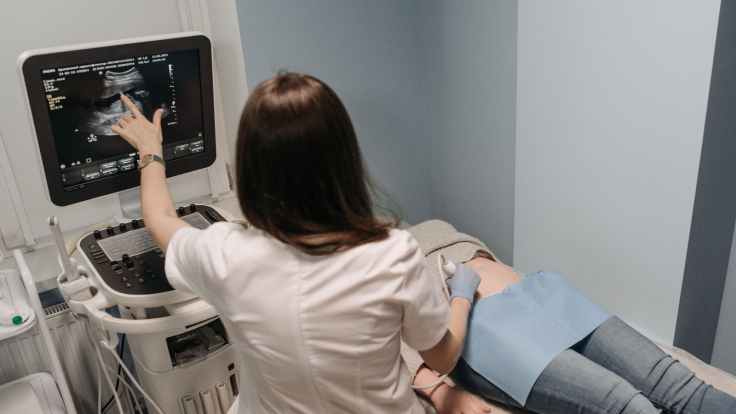
Adults without a regular doctor face a 61% higher risk of being overdue for colorectal cancer screening, which can find cancer early or remove polyps before they turn cancerous.
The study estimated that 34.5% of US adults aged 45 to 75, representing about 95 million people surveyed, were not up to date with colorectal cancer screening.
Among US-born adults without a usual source of care, 71.6% were overdue, versus 30.6% of those with one. Uninsured adults had a 47% higher risk of being overdue after adjustment.
The research letter, published on 19 October in JAMA Network Open, came from surgeons at The Ohio State University Wexner Medical Center and James Comprehensive Cancer Center. It analysed 2023 National Health Interview Survey data from 12,016 adults.
Who Is Falling Behind
Adults born outside the US were also more likely than US-born adults to be overdue. Those here for under 15 years had a 25% higher risk, and those here 15 years or more had a 14% higher risk.
Among immigrants without a usual source of care who arrived within 15 years, an estimated 86.3% were not up to date. The youngest eligible adults lagged most, with 61.8% of US-born adults aged 45 to 49 overdue, versus 27.0% of those aged 50 to 75.
Referring to colorectal cancer (CRC), the authors wrote that 'expanding screening eligibility alone may be insufficient to achieve equitable CRC prevention'. They called for strategies to address barriers to completing screening.
Other Cancers Show the Same Gap
The American Cancer Society's Cancer Prevention & Early Detection Facts & Figures 2025-2026 shows the pattern across cancers. In 2023, 65% of adults aged 45 and older were up to date on colorectal screening, but only 25% of uninsured adults.
In 2023, up-to-date breast screening was 69% among women aged 45 and older, but 35% among uninsured women. Cervical screening was 76% among women aged 25 to 65 in 2021, but 58% among the uninsured.
Only 14% of eligible adults were up to date on lung cancer screening in 2022. Among men aged 50 and older in 2023, 37% had been screened for prostate cancer in the past year, versus 13% of uninsured men.
Why Early Detection Matters
A physician usually has to order screening, so people without a regular doctor may never get that offer. Early detection matters because treatment is more likely to be successful at an early stage.
As a cross-sectional survey analysis, the letter cannot prove that lacking a regular doctor causes missed screening. Screening status was self-reported, and estimates for recent immigrants were less precise.
Barriers That Delay Care
A separate cohort study by Aaron A. Gurayah, MD, and colleagues used data from the National Institutes of Health's All of Us Research Program. It covered 160,691 adults eligible for screening across five cancers.
Out-of-pocket costs, nervousness about seeing a doctor and inability to get time off work were the most cited reasons for delaying care. Adults with three or more barriers had lower odds of screening for all five cancers, 18% lower for colorectal.
Screening Options and Warning Signs
A faecal immunochemical test, or FIT, is done yearly at home and checks a stool sample for hidden blood. A multitarget stool DNA test, such as Cologuard, is done every three years and looks for blood and DNA changes.
Neither stool test requires bowel preparation or sedation. Colonoscopy, repeated every 10 years if results are normal, allows doctors to remove most polyps.
Screening is not complete until a timely colonoscopy follows any abnormal result from another test. The US Preventive Services Task Force recommends screening for adults aged 45 to 75.
Rectal bleeding, blood in the stool, a lasting change in bowel habits, unexplained weight loss or ongoing abdominal pain call for prompt medical evaluation. That is especially true for adults under 45, who are not yet in the routine screening group.