
High-Fibre Diet Sends 116 More Calories a Day to Gut Bacteria Instead of Your Body
People counting calories to manage their weight may be overlooking an important part of digestion: the trillions of bacteria living in their gut. Research suggests that what these microbes eat could influence how much energy the body absorbs, even when two diets contain the same number of calories.
A clinical trial involving 17 healthy adults found that a microbiome-focused diet resulted in an additional 116 calories being lost in faeces each day compared with a Western-style diet. The finding, reported in Nature Communications in 2023, offers insight into how food composition and gut bacteria may influence the body's energy balance.
However, the results do not mean that eating more fibre guarantees weight loss.
How Fibre Changes Calorie Absorption
Researchers compared a Microbiome Enhancer Diet with a Western-style diet, keeping their calorie content and proportions of fat, protein and carbohydrates similar.
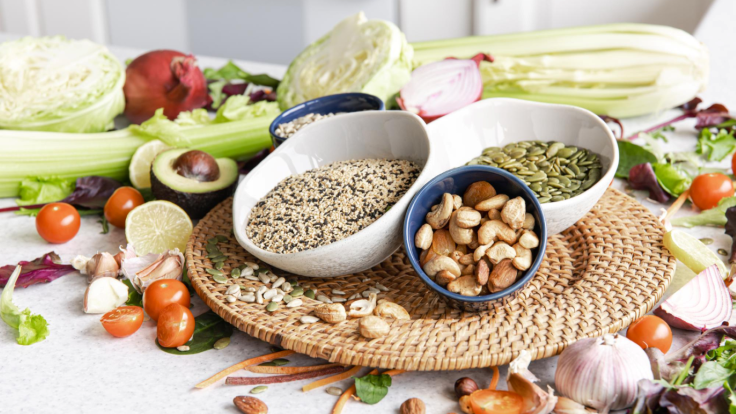
The diets differed in their ingredients. The microbiome-focused plan contained more dietary fibre, resistant starch and minimally processed foods, including whole nuts rather than nut butter. These characteristics were designed to deliver more dietary material to the large intestine, where gut bacteria could use it.
Participants followed each diet during a controlled feeding study, with researchers measuring energy intake, expenditure and losses through faeces and urine.
On the fibre-rich diet, participants absorbed approximately 89.5% of the calories they consumed, compared with 95.4% on the Western-style diet. The difference translated into an additional 116 calories lost daily through faeces.
The effect occurred in 16 of the 17 participants, although the amount of energy lost varied considerably between individuals.
What Happens to the Calories?
Dietary fibre is not fully digested in the small intestine. Some reaches the colon, where gut bacteria break down fermentable material and use it to grow.
This process produces short-chain fatty acids and other by-products. Although some of these compounds can be absorbed and used by the body, not all the energy in the original food becomes available to the person eating it.
Researchers found increased bacterial biomass and short-chain fatty acids in participants' faeces while they followed the microbiome-focused diet. These findings supported the idea that gut microbes were using more of the available food material.
The trial found an increase in pancreatic polypeptide, a hormone associated with satiety, while the overall increase in GLP-1 was not statistically significant. However, participants did not report significant changes in hunger or food intake between the diets.
Could Eating More Fibre Help With Weight Management?
The findings suggest that calorie counts alone may not capture every difference in how the body processes food. Two meals with similar energy content could deliver different amounts of usable energy depending on their composition and how gut microbes respond.
Nevertheless, the study was small and involved only 17 healthy adults. It did not establish that the diet would produce meaningful, sustained weight loss or have the same effects in people with obesity, diabetes or digestive disorders.
More research is needed to determine whether these findings can be reproduced in larger and more diverse populations.
For readers looking to improve their diets, the NHS recommends that adults aim for 30g of fibre daily, although many people consume less.
Oats, beans, lentils, fruit, vegetables, wholemeal bread and brown rice can help increase intake. Fibre should be introduced gradually, with adequate fluids, to reduce the likelihood of bloating and abdominal discomfort.
Frequently Asked Questions
- How many fewer calories did participants absorb on the high-fibre diet?The 17 participants absorbed approximately 89.5% of the calories they consumed on the fibre-rich diet, compared with 95.4% on the Western-style diet. This resulted in about 116 additional calories being lost in faeces each day.
- How might dietary fibre affect calorie absorption?Some fibre is not fully digested in the small intestine and reaches the colon, where gut bacteria use it. This process produces bacterial biomass and short-chain fatty acids, but not all the energy in the original food becomes available to the body.
- Did the high-fibre diet cause weight loss?The trial did not establish that the diet causes meaningful or sustained weight loss. It was a small study involving 17 healthy adults, and the findings may not apply to people with obesity, diabetes or digestive disorders.
- What foods can help increase fibre intake?Oats, beans, lentils, fruit, vegetables, wholemeal bread and brown rice can help increase fibre intake.
- How much fibre should adults aim to eat daily?The NHS recommends that adults aim for 30g of fibre a day. Fibre should be increased gradually and consumed with adequate fluids to reduce the risk of bloating and abdominal discomfort.