
Influencer Olivia Ponton Reveals How Social Media Fueled Her Years-Long Eating Disorder Struggle
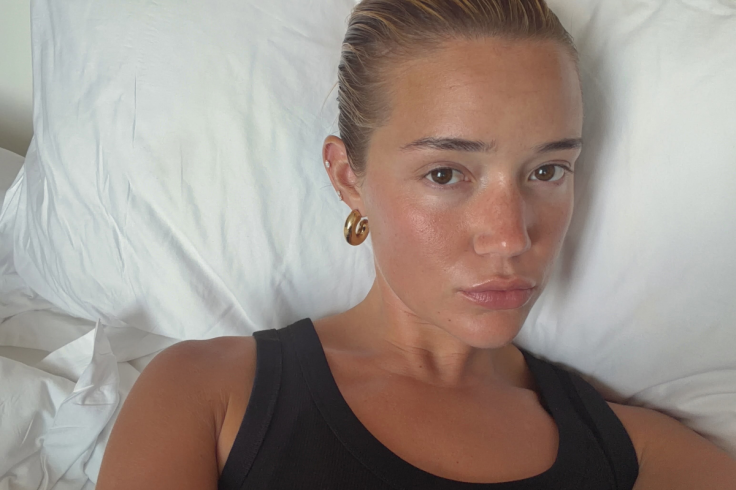
Influencer Olivia Ponton is opening up about how online criticism affected her relationship with her body, revealing that overcoming her eating disorders took years.
The 24-year-old model recently shared her experience with anorexia in a TikTok video, warning followers that restrictive eating does not necessarily deliver the appearance people hope for and can come at a high cost to their health.
'Being anorexic, nine times out of 10, is not going to give you the body that you're craving or desiring,' Ponton said, explaining that she wanted to challenge misconceptions about eating disorders and modelling.
She also recalled that, at the height of her struggles, she felt she had never looked worse. Now, after years of working towards recovery, she says she feels healthier and more comfortable with herself.
'I have never felt better, and I've never looked better,' she said, adding that reaching this point took 'many, many years'.
Olivia Ponton Says Social Media Changed How She Viewed Her Body
Ponton previously discussed the impact of online scrutiny during a 2023 appearance on Emily Ratajkowski's High Low With EmRata podcast.
She said she had not experienced an eating disorder before joining social media. However, after she began posting photographs of herself in bikinis, comments about her appearance became difficult to ignore.
'Once I started posting in bikinis, everyone had things to say about my body... so many negative thoughts were always surrounding my body... I started actually hating the way I looked,' she recalled.
Ponton said she spent a long time believing that becoming extremely thin would resolve her problems. Her experience highlights how appearance-based criticism on social media can contribute to body-image concerns, although eating disorders have complex causes.
The model now uses her platform to discuss restrictive eating because she wishes someone had shared similar warnings when she was struggling. She hopes her honesty will help followers recognise the potential dangers before their own difficulties escalate.
How Common Are Eating Disorders Among Young People?
Ponton's experience comes amid wider concerns about eating disorders and body image among young people.
According to NHS England's 2023 survey of children and young people's mental health, eating disorders were identified in 12.5% of young people aged 17 to 19 in England. The figure was higher among young women in that age group, at 20.8%, compared with 5.1% among young men. These figures relate to England and should not be interpreted as estimates for all young people worldwide.
Eating disorders are serious mental health conditions that can affect people of any age, gender or body size. Anorexia involves restricting food intake, often alongside an intense fear of gaining weight and a distorted perception of body shape. The condition can have serious physical consequences and may require specialist treatment.
Although social media can expose users to unrealistic appearance ideals and hurtful commentary, eating disorders have complex causes. Online experiences may contribute to someone's difficulties, but they do not explain every case.
What Can Help Someone Struggling With an Eating Disorder?
Ponton said she now prioritises sleep, regular meals and regular exercise as part of her routine. However, recovery looks different for everyone, and an individual's needs may require professional assessment and treatment.
The NHS advises people who are concerned about their eating habits, weight or body image to speak to a GP. Warning signs can include eating very little, avoiding meals with others, exercising excessively, becoming preoccupied with weight or experiencing anxiety around food. Early support can improve the chances of recovery.
In the UK, eating disorder charity Beat also provides confidential support, information and guidance for people affected by eating disorders and their loved ones.
By speaking openly about her experience, Ponton hopes to offer the kind of reassurance she once needed herself: struggling with food and body image does not have to be faced alone, and recovery is possible.