
Almost 95% of Viral 'Glass Skin' Tiktoks May Contain Misleading Claims: What To Watch For
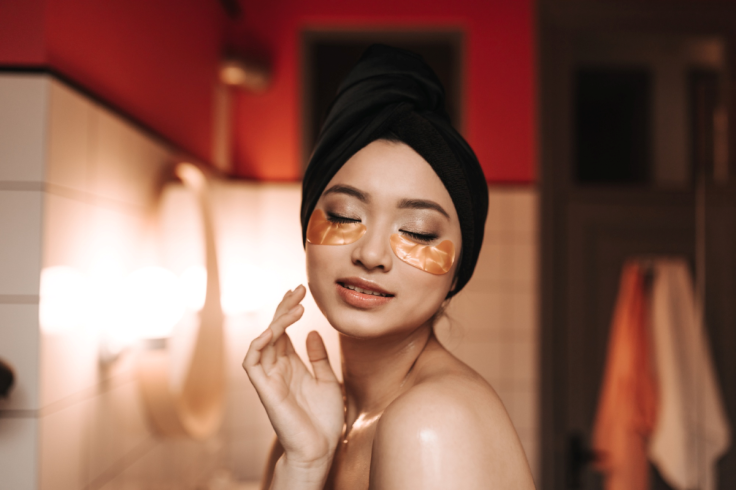
The pursuit of clear, smooth and deeply hydrated 'glass skin' has turned elaborate Korean skincare routines into a major TikTok trend, with videos promising clearer, smoother and more hydrated-looking skin.
But a new study suggests viewers should be cautious about taking skincare advice from viral videos.
Almost 95% of popular Korean skincare and 'glass skin' TikTok videos analysed by researchers contained at least one potentially misleading claim, according to research presented at the European Academy of Dermatology and Venereology (EADV) Congress 2026 in Vienna.
Researchers analysed the most popular videos associated with five Korean skincare-related search terms in May 2026. After exclusions, 38 videos were assessed for the quality, reliability, and safety of their dermatological claims.
What Did the Researchers Find?
About 84% of the videos failed to account for differences between skin types, while 45% promoted combinations of multiple active ingredients without appropriate safety information.
Another 32% promised instant results. Basic warnings were also largely absent. Only one of the 38 videos mentioned the risk of skin irritation, while two discussed sun protection. None mentioned contact dermatitis or advised viewers to consult a dermatologist.
The researchers also found that all of the videos were considered unreliable or less reliable based on the assessment tools used.
Nearly 82% were created by non-physician influencers, while 11% came from beauty brands and 8% from other beauty content creators. None were produced by dermatologists or cited an external source or reference.
Why Could Complex Skincare Routines Be a Problem?
The concern is not Korean skincare itself. Practices such as gentle cleansing, moisturising, and supporting the skin barrier can be part of a healthy skincare routine.
The problem can arise when users copy complex routines without considering their own skin type or how different ingredients interact.
Using several active ingredients at once, particularly products designed to exfoliate or increase skin cell turnover, may increase irritation and damage the skin barrier.
A separate observational study presented at the EADV Congress 2026 examined 94 patients who developed a new or worsened skin condition after using cosmetic or dermatological products promoted through social media.
Chemical exfoliants containing alpha-hydroxy acids (AHAs) or beta-hydroxy acids (BHAs) were involved in 34% of cases, followed by over-the-counter retinoids at 27% and vitamin C products at 14%. Nearly half of the patients had adopted complete skincare routines directly inspired by social media, while 63% were using more than three active ingredients simultaneously.
Reported reactions included irritant contact dermatitis, acne flare-ups, rosacea or rosacea-like dermatitis, post-inflammatory hyperpigmentation and superficial chemical burns.
How Can You Spot Questionable Skincare Advice?
A viral skincare video is not necessarily evidence that a routine is safe or effective.
Readers should be particularly cautious of content promising instant or universal results, especially when it recommends using several active ingredients together without explaining potential side effects.
It is also worth checking whether the person giving the advice has relevant medical qualifications and whether claims are supported by credible sources.
People with existing skin conditions may need to be particularly careful before introducing multiple new products at once.
The researchers stressed that social media itself is not the problem. Instead, they highlighted the risk of turning potentially useful skincare principles into one-size-fits-all routines without adequate safety information.
For anyone experiencing persistent irritation, burning, significant acne flare-ups, or other unexpected skin changes after following an online skincare routine, seeking advice from a dermatologist may help identify the cause and prevent further damage.