
Thinking About a Facelift in Your 30s? Plastic Surgeon Warns of the Risks
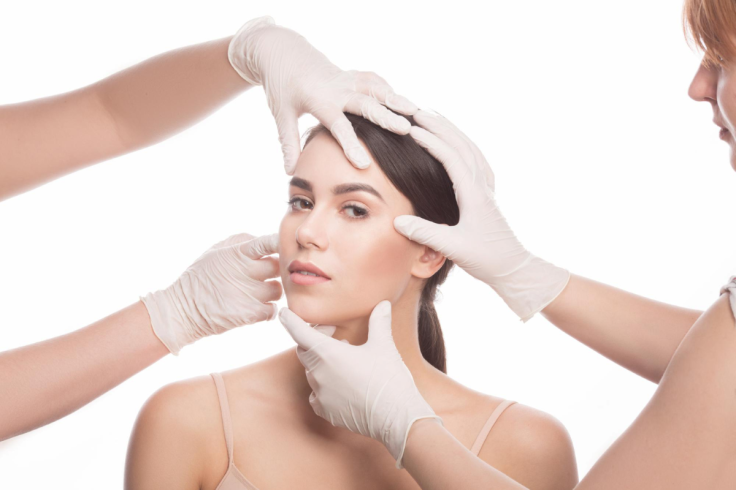
A facelift may promise a more youthful appearance, but deciding when to have one is not as simple as reaching a particular age.
Dr Terry Dubrow, a Beverly Hills-based plastic surgeon, recently warned that some people in their 30s may be seeking facelifts before they actually need one.
Speaking on Josh Peck's Good Guys podcast, Dubrow said younger patients with early facial laxity may benefit from waiting for now, as less invasive technologies could potentially offer alternatives in the future.
His comments come as interest in cosmetic procedures continues to evolve, with social media, celebrity transformations and increasingly accessible aesthetic treatments influencing how people view signs of ageing.
Why Could a Facelift in Your 30s Be Too Soon?
A facelift, also known as rhytidectomy, is a surgical procedure designed to improve visible signs of ageing in the face and neck. Unlike fillers or skin-tightening treatments, it involves incisions and repositioning facial tissues.
Dubrow cautioned that having surgery too early could mean undergoing an irreversible procedure before significant skin laxity has developed. He highlighted potential issues including scars, numbness and changes in how the skin eventually settles.
The American Society of Plastic Surgeons (ASPS) similarly says there is no universal age for a facelift. The right timing depends on factors including anatomy, genetics, skin quality and the extent of facial ageing.
But Can Waiting Too Long Also Backfire?
Dubrow also raised the opposite concern: repeatedly postponing surgery while relying on non-surgical treatments may not always produce the desired result.
Fillers, lasers and skin-tightening procedures can improve certain signs of ageing, but they cannot necessarily reposition deeper facial tissues. According to Dubrow, continuing to add treatments when significant tissue descent has occurred may not produce the desired result.
He also cautioned that aggressive energy-based treatments may create scarring beneath the skin, potentially making subsequent surgery more difficult.
That does not mean non-surgical treatments have no role. The surgeon said fillers, lasers and tightening procedures can 'buy time' when used appropriately.
Is There a Best Age For a Facelift?
Not necessarily. Dubrow said some women may be suitable candidates in their late 40s, while others may not consider surgery until their 50s or 60s. Genetics, skin quality and changes around the jawline and neck can all influence when a facelift becomes appropriate.
ASPS guidance also emphasises that younger people are increasingly considering facelifts, but anatomy rather than age should remain a central consideration.
The organisation's data show that facelifts remain more common among older adults. In its 2023 statistics, approximately 80% of people undergoing facelifts were aged 55 or older, although younger facelift procedures had increased.
What Are the Risks?
Like any surgery, a facelift carries potential complications. ASPS lists risks including bleeding, infection, poor wound healing, facial nerve injury, numbness, prolonged swelling, hair loss around incisions, unfavourable scarring and changes in skin sensation. More serious complications can include blood clots and heart or lung problems.
Anyone considering the procedure should therefore discuss their goals, medical history and alternatives with a qualified, board-certified plastic surgeon.
Ultimately, wanting to look younger does not automatically mean you need a facelift. The decision should be based on the individual's anatomy, expectations, and tolerance for surgery rather than a celebrity's appearance or a particular birthday.