
These Yellow Patches Around Your Eyes Could Signal a Higher Heart Attack Risk, Study Finds
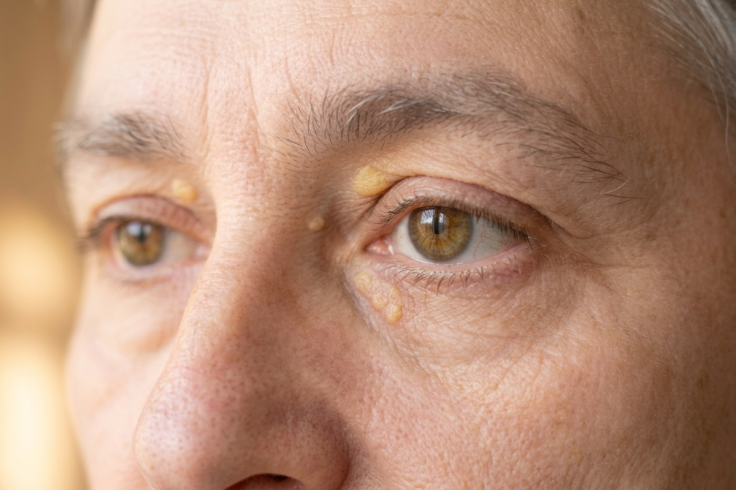
A yellow patch around your eye may look like a harmless cosmetic concern, but new research suggests it could be a visible marker of underlying cardiovascular risk.
The patches, known as xanthelasma, are yellowish deposits that typically appear on or around the upper or lower eyelids. They form when immune cells called macrophages accumulate cholesterol and other fats. Xanthelasma is often, although not always, associated with high cholesterol.
Researchers at Stanford University examined whether the condition could also be linked to major cardiovascular and cerebrovascular events, including heart attacks and strokes.
What the Study Found
The study, published in Atherosclerosis, analysed health data from 17,925 people with xanthelasma and compared them with an equal number of matched controls without the condition.
Within one year, 1% of people with xanthelasma had experienced a heart attack, compared with 0.35% of the control group. Stroke occurred in 0.95% of those with xanthelasma versus 0.3% of controls, while transient ischaemic attack (TIA), sometimes called a 'mini-stroke', affected 0.6% compared with 0.19%.
The increased risk persisted over longer periods. At 10 years, heart attacks occurred in 3.13% of people with xanthelasma compared with 1.73% of controls. Stroke affected 3% versus 1.53%, while TIA occurred in 2% versus 1.13%.
The researchers also found that cardiovascular event rates among people with xanthelasma were similar regardless of whether they had abnormally high blood-fat levels. This suggests that cholesterol levels alone may not fully explain the association.
Why Could Eye Patches Be Linked to Heart Disease?
One possible explanation is that xanthelasma and atherosclerosis share some underlying processes.
Atherosclerosis occurs when fatty deposits build up inside arteries, potentially narrowing blood vessels and contributing to heart attacks and strokes. Xanthelasma, meanwhile, involves the accumulation of cholesterol and other fats in the skin around the eyes.
However, the researchers stressed that the patches themselves are not known to cause heart attacks or strokes. Instead, they may act as a visible marker that prompts doctors to look for other cardiovascular risk factors.
The finding is also consistent with NHS guidance, which notes that xanthelasma can sometimes be caused by high cholesterol and recommends seeing a GP if you develop yellow lumps or patches around your eyes.
What Should You Do if You Have Xanthelasma?
If you notice new yellow patches around your eyelids, it is worth mentioning them to your GP, particularly if you have other risk factors for cardiovascular disease.
A cholesterol test can help identify high cholesterol, which often causes no symptoms. Your doctor can also consider factors such as blood pressure, age, diabetes, smoking and family history when assessing your overall cardiovascular risk.
Lifestyle measures such as eating a balanced diet, exercising regularly, maintaining a healthy weight and not smoking can help reduce cardiovascular risk. Some people may also need medicines such as statins to lower cholesterol.
Importantly, xanthelasma is not a diagnosis of heart disease. The latest research suggests it could be a useful warning sign worth investigating, rather than proof that a heart attack or stroke is imminent.
And if you experience symptoms of a heart attack, such as persistent or squeezing chest pain, severe breathlessness or pain spreading to the arm, neck or jaw, seek emergency medical help immediately.