
Wedding Stress Can Affect Your Heart and Sleep: What Health Trackers Reveal
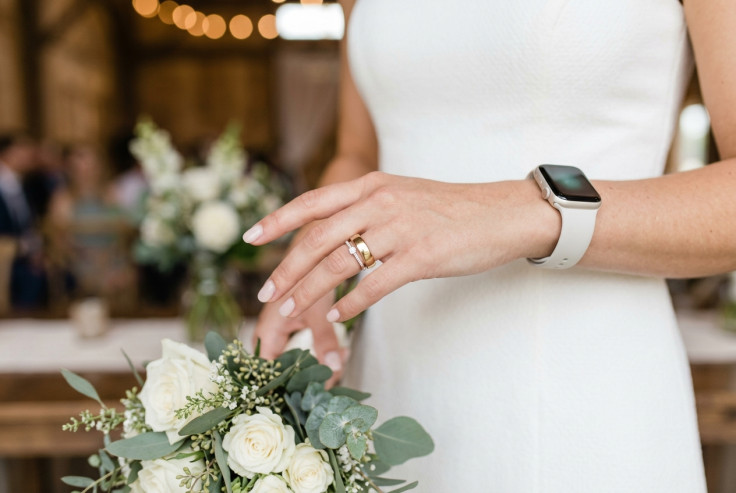
On her wedding night, Justtina Hamilton checked her smartwatch and discovered an alarming physical toll. Her device logged just three hours of sleep, roughly 16,000 steps, and an episode her watch flagged as atrial fibrillation.
Far from a simple fashion accessory, her wearable provided a rare medical window into hidden stress. Fitness tracker reviews commonly note that sensors track pulse and heart rate variability to identify sleep patterns.
Devices like the Apple Watch and Oura ring track vital stress metrics continuously using optical sensors. These consumer tools capture subtle cardiovascular shifts, offering useful health insights during high-pressure wedding events.
Wearables Offer Medical Insights
For brides managing underlying heart conditions, real-time tracking provides essential health data. Hamilton, 31, relied on her device throughout her wedding day to monitor her heart rhythm and general movement.
Her watch recorded three hours of sleep on two consecutive nights leading up to the ceremony. Alongside logging thousands of steps, the tracker flagged an active atrial fibrillation episode during the day's celebrations.
Data analyst Jackie H., 36, told a wellness publication that her Oura ring reflected elevated stress almost the entire day. Her stress levels only dropped when her wedding coordinator pulled her aside to sit down and eat.
For many women, bringing tech to the altar is a straightforward choice for gathering personal metrics. They prefer accessing continuous wellness data rather than leaving gaps in their daily health tracking logs.
However, other brides worry these electronic gadgets clash visually with traditional bridal wear. Some choose to hide their devices in garters, bras, or custom white bands matching their dresses.
Others wear their devices proudly down the aisle as personal jewellery items without concern for critics. California bride Aimee Paz gladly displayed her Oura ring while holding her bouquet during her ceremony.
Whether hidden or displayed, health monitoring has become an established part of modern daily life. Nearly six in ten US adults now regularly wear health devices to track vital signs.
Physicians Urge Careful Interpretation
Some product comparisons note rings sit more snugly than wrist devices, offering more consistent readings during movement. However, reviewers emphasise that no wrist-based tracker or smart ring qualifies as a medical device.
Medical opinion on wearing trackers down the aisle remains divided among clinical experts. Dr Michael Aziz, a board-certified internist at Lenox Hill Hospital, warns sensors often misread normal emotional excitement.
Aziz explains a racing heart usually reflects genuine joy rather than physical danger or cardiovascular illness.
He advises brides without heart conditions to avoid wearing trackers during the week before their wedding.
Licensed psychologist Rachel Needle views health technology as a balanced wellness tool when used properly. She notes quick glances can remind anxious brides to stop and take deep breaths during intense moments.
However, Needle warns that checking data too often pulls focus away from the celebration itself. She suggests treating trackers as occasional check-ins rather than numeric scoreboards for personal stress during events.
Needle highlights that built-in mindfulness tools like guided breathing help manage sudden heart rate spikes effectively. Reviews for apps like Headspace and Sleep Cycle also note their role in managing stress and sleep.
Wellness platforms like My Fitness Pal and Clue offer additional tracking for nutrition, hydration, workouts, and reproductive cycles. These are often used alongside heart-rate monitors to provide a fuller picture of daily health.
Monitoring vital signs helps brides recognise when to take necessary physical breaks. Tracking physical responses brings greater awareness to high-stress moments throughout the busy wedding day.
Frequently Asked Questions
- What are the benefits of wearing health trackers during a wedding?Health trackers provide real-time data on vital signs, helping brides manage stress and monitor heart conditions during their wedding day.
- Can health trackers be worn discreetly with bridal wear?Yes, some brides choose to hide their devices in garters, bras, or custom bands that match their dresses.
- Are health trackers considered medical devices?No, health trackers like smartwatches and rings are not classified as medical devices and should be used as wellness tools.
- What should brides consider when using health trackers during their wedding?Brides should use trackers for occasional check-ins rather than constant monitoring to avoid distraction from the celebration.