
Why Am I Short of Breath? Common Causes, Symptoms and When to Seek Medical Care

Feeling short of breath after climbing several flights of stairs or exercising is perfectly normal. But if you're struggling to catch your breath during everyday activities or even while resting, it could be a sign that something more serious is going on.
Breathlessness, also known as dyspnoea, is a common symptom that can have many different causes. Sometimes it's linked to anxiety or a mild respiratory infection, while in other cases it may indicate a heart or lung condition that requires prompt treatment.
Knowing the difference between expected breathlessness and symptoms that need medical attention can help you decide when to seek help.
What Is Shortness of Breath?
Shortness of breath is the uncomfortable feeling that you're not getting enough air or that breathing requires more effort than usual.
Dr Suman Paul, an NHS respiratory consultant and private respiratory physician in Manchester, describes it as 'an abnormal awareness of one's own breathing.'
'It happens due to major organ problems like the lungs or heart and even anxiety,' he explained.
Some people describe feeling unable to take a deep breath, while others experience chest tightness, rapid breathing, or the sensation of being unable to catch their breath.
What Are the Most Common Causes?
Breathlessness is a symptom rather than a condition itself, meaning the underlying cause can vary considerably.
Anxiety and panic attacks
Anxiety is one of the most common non-physical causes of breathlessness.
During periods of stress or panic, breathing often becomes faster and shallower, which can leave people feeling as though they cannot get enough air.
Although anxiety-related breathlessness can be frightening, it is usually temporary and improves as the episode passes.
However, new or severe breathlessness should never automatically be assumed to be caused by anxiety until more serious causes have been ruled out.
Asthma
Asthma causes inflammation and narrowing of the airways, making breathing more difficult.
Symptoms may include:
- Wheezing
- Chest tightness
- Coughing
- Breathlessness, particularly at night or after exercise
Asthma symptoms often improve with inhaler treatment but can occasionally become life-threatening if left untreated.
Chronic obstructive pulmonary disease (COPD)
COPD is a long-term lung disease most commonly associated with smoking.
People often notice gradually worsening breathlessness during everyday activities, alongside a chronic cough and increased mucus production.
Dr Paul listed COPD among the most common lung conditions responsible for ongoing breathlessness.
Pulmonary fibrosis
Pulmonary fibrosis causes scarring of the lungs, making it increasingly difficult for oxygen to pass into the bloodstream.
Symptoms typically develop gradually and may include persistent breathlessness and a dry cough.
Heart Conditions Can Also Cause Breathlessness
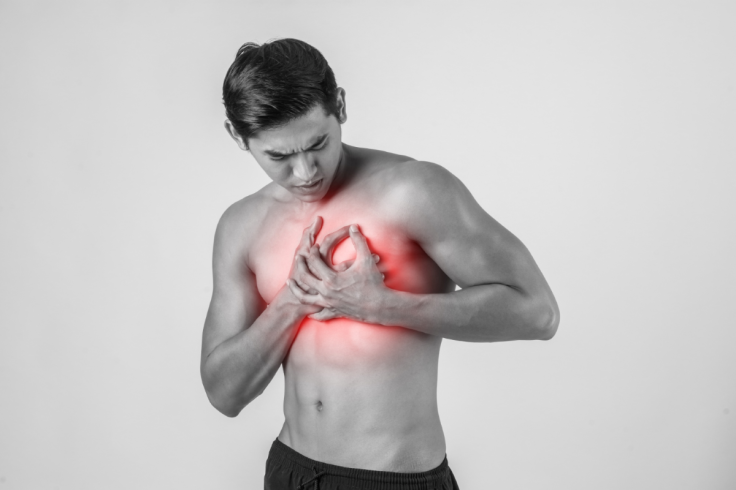
Not all breathing problems originate in the lungs.
Several heart conditions reduce the heart's ability to pump blood efficiently, causing fluid to build up in the lungs or reducing oxygen delivery around the body.
Dr Paul highlighted several important cardiac causes, including:
- Heart failure
- Heart attack
- Irregular heart rhythms (arrhythmias)
People with heart-related breathlessness may notice symptoms worsening when lying flat or during physical activity.
Serious Conditions That Need Urgent Assessment
Although many causes of breathlessness are not immediately dangerous, some require emergency medical treatment.
According to Dr Paul, potentially life-threatening causes include:
- Pulmonary embolism (a blood clot in the lungs)
- Pneumonia
- Pneumothorax (collapsed lung)
- Lung cancer
These conditions often cause additional symptoms that should never be ignored.
When Should You Seek Urgent Medical Help?
Anyone experiencing sudden or severe breathlessness should seek urgent medical attention, particularly if symptoms are accompanied by other warning signs.
Dr Paul recommends immediate assessment if breathlessness occurs alongside:
- Blue lips or fingertips
- Low oxygen levels measured with a pulse oximeter
- Collapse or loss of consciousness
- Coughing up blood
- Sudden worsening of symptoms
- Chest pain
You should also call emergency services if breathlessness comes on suddenly, is severe or prevents you from speaking in full sentences.
When Should You Arrange a GP Appointment?
While not every episode of breathlessness is an emergency, persistent or unexplained symptoms should always be assessed.
Arrange an appointment if you:
- Become breathless during routine daily activities
- Notice symptoms gradually worsening
- Develop a persistent cough
- Experience repeated episodes of unexplained breathlessness
- Find yourself avoiding physical activity because of breathing difficulties
Early diagnosis often improves treatment outcomes, particularly for chronic lung and heart conditions.
How Do Doctors Investigate Unexplained Breathlessness?
The first step is usually a detailed discussion about your symptoms, medical history and lifestyle.
Your GP will ask questions such as:
- When did the breathlessness begin?
- Did it develop suddenly or gradually?
- Does it occur during exercise or at rest?
- Do you smoke?
- Do you have asthma or heart disease?
A physical examination will usually follow.
Dr Paul said investigations commonly include:
- An electrocardiogram (ECG) to assess heart rhythm
- Chest X-ray
- Blood tests
- Lung function tests (breathing tests)
- Echocardiogram (heart ultrasound)
Depending on the findings, some people may also require a CT scan of the chest for a more detailed assessment.
Can Lifestyle Changes Help?
If breathlessness is linked to an underlying medical condition, treatment will focus on addressing that cause.
However, some general lifestyle measures may improve symptoms and overall lung and heart health.
These include:
- Stopping smoking
- Maintaining a healthy weight
- Staying physically active within your limits
- Managing asthma or COPD as advised
- Receiving recommended vaccinations, such as flu and COVID-19 vaccines where appropriate
- Learning breathing techniques if anxiety contributes to symptoms
People with chronic respiratory conditions may also benefit from pulmonary rehabilitation programmes recommended by their healthcare team.
Common Myths About Breathlessness
Myth: Breathlessness is just part of getting older
Ageing alone should not cause significant breathlessness. New or worsening symptoms always deserve medical assessment.
Myth: If you're fit, you can't have a serious cause
Even physically active people can develop asthma, blood clots, pneumonia or heart disease.
Myth: Anxiety is always the cause
Although anxiety frequently contributes to breathlessness, serious heart and lung conditions must first be ruled out before symptoms are attributed to stress.
In Sum
Breathlessness can result from many different conditions, ranging from anxiety and asthma to heart disease and serious lung disorders.
Occasional breathlessness after strenuous exercise is normal, but symptoms that occur at rest, worsen over time or are accompanied by chest pain, blue lips, coughing up blood, or collapse require prompt medical attention.
If you're experiencing unexplained or persistent shortness of breath, don't ignore it. Early assessment can identify the underlying cause and ensure you receive the most appropriate treatment.
Frequently Asked Questions
- Why do I feel short of breath even when I'm resting?Breathlessness at rest may be caused by asthma, heart disease, lung conditions, anxiety or other medical problems. Persistent symptoms should be assessed by a healthcare professional.
- Can anxiety make you feel breathless?Yes. Anxiety and panic attacks can cause rapid, shallow breathing that creates the sensation of not getting enough air. However, other medical causes should first be excluded if symptoms are new or severe.
- When should I worry about breathlessness?Seek urgent medical attention if breathlessness is sudden, severe or occurs with chest pain, blue lips, coughing up blood, collapse or confusion.
- How do doctors diagnose the cause of breathlessness?Diagnosis usually involves a medical history, physical examination and tests such as blood tests, chest X-rays, ECGs, lung function tests and, in some cases, CT scans or echocardiograms.
- Is breathlessness always caused by lung disease?No. While lung conditions are a common cause, breathlessness can also result from heart disease, anxiety, anaemia and several other medical conditions.