
The Most Common Gym Injuries and How to Avoid Them Before They Sideline Your Fitness Goals
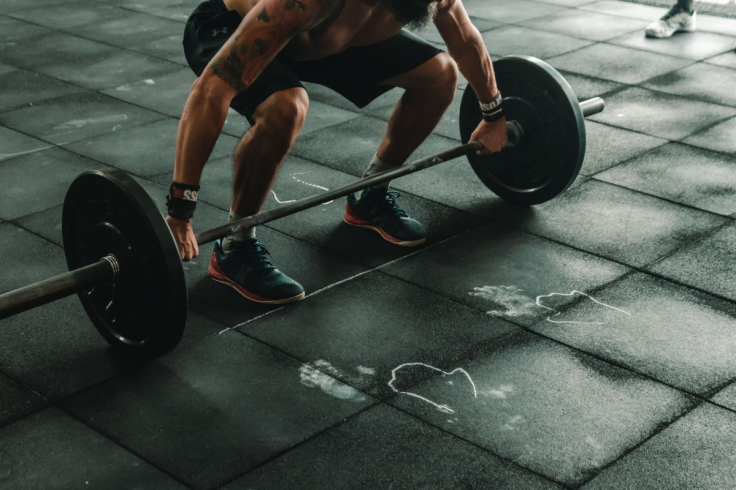
Many gym injuries share one striking trait: it didn't have to happen. From torn rotator cuffs to strained lower backs, are entirely preventable, yet gyms remain full of people training their way straight into physiotherapy appointments.
It rarely takes a dramatic accident. More often, it's a missed warm-up, one rep too many, or a squat performed with the wrong form—small errors capable of derailing weeks, sometimes months, of hard-won progress and forcing a frustrating restart from scratch.
The risks, thankfully, are well understood. Knowing where injuries strike, why, how urgent each one really is, and how to actively prevent them is the first step toward training smarter rather than harder.
Why Injuries Happen
Most gym injuries don't come out of nowhere. They build up gradually, the result of habits that seem harmless alone but compound over time—overtraining, poor technique, and equipment or footwear that's past its best.
Risk isn't spread evenly across the gym floor either. Beginners and anyone returning after time away tend to be at greater risk, simply because their muscles, tendons, and joints haven't yet adapted to the demands being placed on them, even when the weight on the bar looks modest. Experienced lifters aren't exempt, though—their risk tends to come from complacency around form as weights get heavier.
Lower Back Strains: The Cost of Losing a Neutral Spine
Lower back strains are among the most frequently reported gym complaints, and it's easy to see why: the lower back is loaded during almost every major lift. If pain flares up mid-deadlift, mid-squat, or during a bent-over row, this is very likely the culprit.
A sudden pinch, pull, or twinge can be a sign that the spine has been pushed beyond its limits. Left unchecked, this can progress into nerve compression or a herniated disc. These are not injuries to work through—continuing to train despite symptoms of possible nerve compression may worsen the a condition and, in some cases, require months of medical intervention.
Any sharp or persistent back pain during a workout should be treated as a signal to stop immediately, rest the area, and seek medical advice rather than assuming it will settle on its own. A muscular strain may require anywhere a period away from loaded lifting; anything involving nerve symptoms, such as numbness or shooting pain down the leg, warrants a professional assessment.
Prevention Strategies
- Bracing: Keep your core engaged and your spine neutral throughout every lift.
- Load Management: Progress gradually rather than jumping straight into advanced lifts to give supporting muscles time to catch up.
- Accessory Work: Strengthen your upper back with rows and face-pulls to help distribute loads more evenly across your torso.
Shoulder Injuries: Rotator Cuff Wear and Tear
Shoulder pain is another regular fixture in gyms, particularly among people who train overhead pressing or pull-ups often. If discomfort builds gradually at the top of a shoulder press or during overhead work rather than arriving suddenly, the rotator cuff is the likely source.
This small group of muscles keeps the shoulder joint stable, and repetitive overhead movements place ongoing strain on it. Unlike a sudden strain, the damage here tends to build silently over weeks before pain becomes noticeable, which is why it catches so many people off guard.
Prevention Strategies
- Rotational Programming: Rotate your pressing and pulling exercises rather than relying on the exact same overhead motion session after session.
- Targeted Prehab: Build dedicated shoulder-strengthening work, such as band pull-aparts and external rotations, into your routine to help the joint cope with demanding movements.
- Posture Awareness: Maintain good posture throughout the day, not just in the gym, to prevent a slouched stance from placing additional strain on the shoulder.
Knee Pain: The Fallout from Weak Hips
Knee pain shows up often, though it may be a symptom of something happening elsewhere rather than a knee problem in isolation. If pain appears during squats, lunges, or step-ups specifically, the hips could well be part of the underlying cause.
Knee injuries often catch people off guard, particularly those who sit most of the day and then attempt explosive movements at the gym. The sudden jump from inactivity to intensity places enormous stress on a joint that hasn't been properly warmed up. Even seasoned gym-goers aren't immune, as heavy lifting can gradually damage surrounding muscles when weak hip stabilisers fail to provide adequate support.
Prevention Strategies
- Hip Strengthening: Incorporate movements like glute bridges, clamshells, and Romanian deadlifts to build hip stability.
- Foot Alignment: Ensure proper tracking of your knees over your toes while lifting or squatting to prevent unnecessary twisting forces.
- Dynamic Warm-Ups: Never skip light movement prep before jumping straight into heavy leg sessions.
Wrist and Elbow Injuries: The Hidden Toll of Heavy Gripping
Wrist and elbow pain tend to be less immediately obvious than back or knee injuries but can be just as common. If discomfort builds specifically during heavy gripping, curling, or pressing movements, this is where to look first.
Conditions like tennis elbow and golfer's elbow aren't reserved for racquet athletes. Heavy weightlifting and repetitive gripping can irritate the same tendons, leading to persistent pain around the forearm that flares up gradually. The wrist may face similar risks during pressing and pulling exercises where weak wrist extensors make the area more susceptible to strain.
Prevention Strategies
- Neutral Positioning: Keep your wrists straight and your elbows tucked in a neutral position during heavy presses to reduce strain on surrounding tendons.
- Avoid Jerky Reps: Eliminate fast, erratic repetitions once fatigue sets in.
- Forearm Conditioning: Use targeted wrist curls and forearm extensions to build baseline resilience in an often-overlooked area.
Cardio and Equipment Injuries: Shin Splints and Ankle Strains
Not every gym injury happens under a barbell. High-impact treadmill running is a common cause of shin splints, particularly when speed or incline increases faster than the body has adapted. The repetitive pounding places stress on the lower leg that builds gradually, much like a tendon injury.
Ankle strains can be just as frequent, often caused by an awkward step off a machine, an uneven landing during a jump, or worn-out trainers that no longer provide adequate support. Poorly maintained machines add a further layer of risk, from loose pedals to belts that catch unexpectedly.
Prevention Strategies
- Gradual Progression: Build up running speed and incline in small increments rather than jumping straight to demanding sessions.
- Gear Upkeep: Replace your training shoes once the cushioning wears thin, and give machines a quick visual check for stability before use.
Train Smarter
Listening to your body means recognising specific signals. Sharp or stabbing pain, swelling, a joint giving way, or pain that lingers well after a session ends are all signs to stop training the affected area immediately.
Returning to full training should follow the same gradual logic as building up to it. Reduced load, a smaller range of motion, and close attention to how the area responds are the safest way back. Easing back in too soon can be the fastest way a minor niggle turns into a long-term injury—proving that a fitness goal delayed by a careful week is far less costly than one set back by months.
Frequently Asked Questions
- What are the common causes of gym injuries?Common causes include poor technique, overtraining, and using inadequate or worn-out equipment.
- How can I prevent lower back strains during workouts?Keep your core engaged, maintain a neutral spine, and progress gradually with your lifts.
- What should I do if I experience sharp pain during a workout?Stop training immediately, rest the affected area, and seek medical advice if necessary.
- Why is it important to rotate pressing and pulling exercises?Rotating exercises helps prevent repetitive strain on the same muscles and joints, reducing the risk of injury.
- How can I strengthen my hips to prevent knee pain?Incorporate exercises like glute bridges, clamshells, and Romanian deadlifts into your routine.