
Can You Still Hit the Gym While Pregnant? Here's What Experts Say
Exercise is not merely safe in pregnancy but desirable, obstetric guidance says, provided there are no medical or obstetric complications. That runs against the rest-up advice many women are still handed.
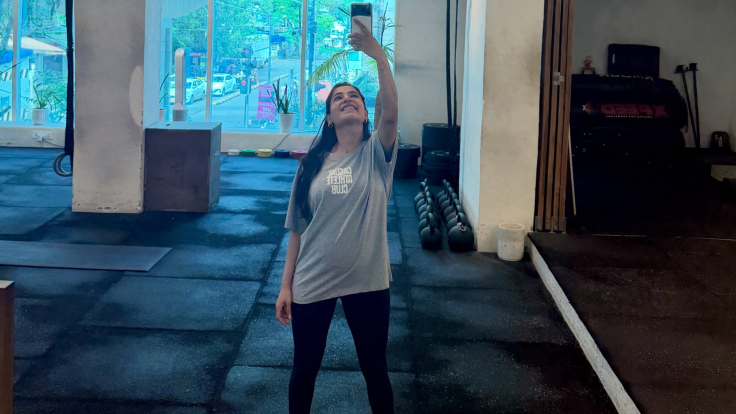
The pressure to sit still arrives with the news itself, usually from people who mean well. Gym posts from pregnant actor Samantha Ruth Prabhu have pushed the question back into the open.
The benefits, according to that guidance, reach both mother and baby. What matters is a doctor's go-ahead, sensible limits and a willingness to adapt as the body changes.
What the Guidance Actually Says
Obstetric guidance recommends working up to moderate-intensity exercise on most days of the week. Moderate means effort that feels somewhat hard rather than punishing.
That guidance offers a simpler check too: the talk test. A woman who can hold a conversation while training is unlikely to be pushing herself too hard.
Women less active before pregnancy are told to build up slowly. The same guidance says training should happen in a temperature-controlled space, so hot yoga can wait.
Regular exercise, obstetric guidance says, is tied to lower rates of raised blood pressure and caesarean births. It also links activity to quicker recovery and a lower chance of depression afterwards.
The baby appears to gain as well. Research cited in prenatal fitness guidance links regular lifting through pregnancy with children who are longer and leaner.
Ways to Train With Weights
Prenatal fitness guidance says women who already lifted weights can usually carry on as before. Reducing the weight or repetitions is advised if pain or lingering fatigue sets in.
The same guidance tells newcomers to start with a single comfortable set. Some conditions make lifting unsuitable, it adds, so a doctor's clearance comes first.
Weight training strengthens the back and stomach muscles that carry the extra load, that guidance says. Stronger muscles help prevent the lower back pain common in pregnancy and build stamina.
It calls free weights and machines the classic options, with machines making gradual increases easier. Resistance bands cost less and work against a woman's own body weight.
Trainers should be told about the pregnancy, the same guidance adds, since a changing body shape alters lifting form. It also advises a slow count on the way up and again on the return.
Moves to Skip While Expecting
The body makes more of a hormone that loosens joints and ligaments, making injuries more likely. Prenatal fitness guidance advises against heavy overhead lifts, which risk falling onto the head or bump.
It also discourages deadlifts and other moves that bend the body far forward from the waist. Standard press-ups are out too, squashing the bump on the way down.
Training flat on the back is best avoided later on, that guidance says. The weight of the womb can press on a major vein returning blood to the heart.
That does not mean abandoning the session. Tilting the bench or wedging pillows behind the back keeps a woman at an angle, that guidance says, and a trainer can offer alternatives.
Holding the breath while lifting is another habit to drop. The same guidance says it raises pressure in the stomach area and can briefly reduce blood flow to the baby.
Rest between sessions matters too, it adds, so back-to-back days are discouraged. Obstetric guidance says bleeding, stomach pain, dizziness, headaches or calf swelling all mean stopping.
Samantha said her own sessions were cleared by her doctor and modified by a qualified trainer. 'Speak to your doctor and work with someone qualified before exercising during pregnancy,' she advised.
Frequently Asked Questions
- Is exercise safe during pregnancy?Yes, exercise is safe and beneficial during pregnancy, provided there are no medical or obstetric complications.
- What type of exercise is recommended during pregnancy?Moderate-intensity exercise on most days of the week is recommended, ensuring you can hold a conversation while exercising.
- What precautions should be taken when exercising during pregnancy?Consult with your doctor, avoid overheating, and modify exercises to avoid heavy lifting and lying flat on your back.