
Constipation in Children: Signs, Causes and Safe Ways to Help at Home
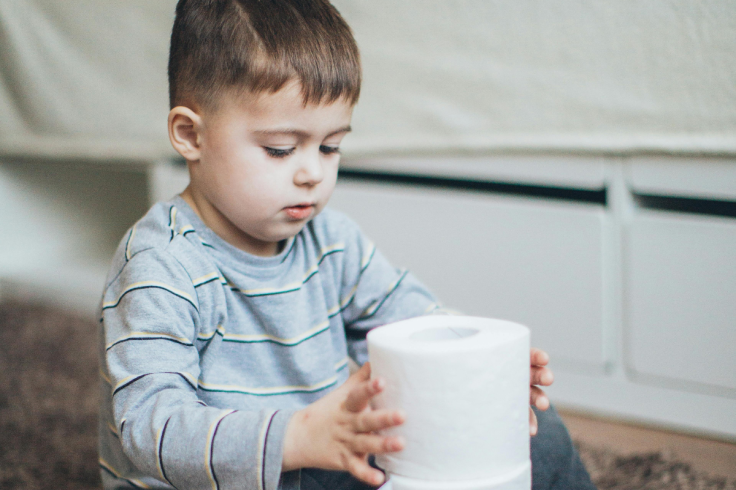
Constipation is common in childhood, but it can be uncomfortable and distressing for children and their parents. A child may pass hard stools, strain on the toilet or avoid going altogether because they are worried it will hurt.
According to NHS guidance, constipation is particularly common when children are being toilet-trained, starting school or experiencing changes in their routine. Recognising the problem early can help prevent a cycle in which painful bowel movements lead a child to hold in their poo, making constipation worse.
What are the Signs of Constipation in Children?
Constipation does not always mean a child has stopped having bowel movements. Some children may still poo regularly but pass stools that are unusually hard, large or painful.
Parents may notice:
- Hard or pellet-like stools. Poo may resemble small, dry lumps or be unusually large and difficult to pass.
- Straining or pain. Children may complain that going to the toilet hurts or deliberately avoid it.
- Toilet avoidance. Hiding, crossing the legs, standing unusually still or appearing to 'hold it in' can be signs that a child is withholding stool.
- Tummy discomfort. Abdominal pain, bloating and reduced appetite can occur alongside constipation.
- Soiling. Liquid stool can sometimes leak around a large build-up of poo and stain a child's underwear. This is known as overflow soiling.
Parents should not assume that soiling means a child is deliberately having accidents. It can be a consequence of long-standing constipation.
Why do Children Become Constipated?
There are several possible causes, and often more than one factor is involved.
A common trigger is stool withholding. A child may avoid using the toilet because they previously experienced a painful bowel movement. The longer stool remains in the bowel, the more water is absorbed from it, making the poo harder and potentially creating another painful experience.
Changes in routine can also contribute. Toilet training, starting school, travelling or changes in diet may affect a child's normal bowel habits.
Other possible factors include:
- Not drinking enough fluid.
- Eating too little fibre.
- Being less physically active.
- Ignoring the urge to poo.
- Stress or changes at home or school.
- Certain medicines or underlying medical conditions.
Could School Toilets Make Constipation Worse?
For some children, avoiding school toilets may contribute to a pattern of stool withholding.
Sarah Whitmire, a Licensed Professional Counselor, says restrictive school bathroom policies can create stress and anxiety while potentially contributing to physical problems such as UTIs and constipation. She also warns that offering rewards, such as extra credit, for not using the toilet can send children the message that academic performance takes priority over basic bodily needs.
Such policies are not necessarily widespread, but where children feel unable to use the toilet when they need to, the resulting habit of holding urine or stool may be unhealthy.
What Can Parents Do at Home?
Treatment depends on the child's age, symptoms and how severe or persistent the constipation is. For mild constipation, healthy routines can support normal bowel function, but established constipation may require treatment recommended by a healthcare professional.
1. Encourage regular toilet time
Give children an opportunity to sit on the toilet regularly, particularly after meals. A calm, unhurried routine can help establish healthy bowel habits.
For younger children, make sure their feet are supported on a footstool. Having the knees positioned above the hips can make it easier to pass stool.
2. Make sure they drink enough
Adequate fluid intake helps prevent stools from becoming excessively hard. Children should have regular access to water throughout the day.
The amount a child needs varies with age, activity and the weather, so parents should follow age-appropriate NHS advice rather than forcing excessive amounts of fluid.
3. Include fibre-rich foods
Fibre can support healthy bowel movements. Depending on age, suitable foods can include fruit, vegetables, wholegrain cereals, beans and pulses.
Suddenly adding very large amounts of fibre is not necessarily helpful, particularly if a child is already constipated. Dietary changes should be introduced alongside adequate fluid intake and professional advice where necessary.
4. Keep children active
Regular physical activity supports general health and can encourage normal bowel function. Children should have opportunities to move, play and exercise every day.
However, exercise alone is not a treatment for established constipation. Children with persistent symptoms may need a structured treatment plan.
Should Parents Give Laxatives?
Parents should be cautious about treating significant childhood constipation without medical advice.
NICE recommends oral macrogols as first-line treatment for children with idiopathic constipation, with treatment adjusted according to the child's response. Other laxatives may be added or used when appropriate.
A GP, pharmacist or other healthcare professional can advise on the appropriate product and dose. Treatment may need to continue for weeks or months in children with established constipation, and stopping too quickly can lead to symptoms returning.
When Should Parents See a GP?
Parents should seek medical advice if constipation is persistent, painful or repeatedly returning, particularly if changes to diet and toilet routines have not helped.
A GP may ask about the child's bowel movements, diet, fluid intake, toilet habits and any episodes of soiling. They may also examine the child and consider whether another medical condition could be contributing.
NICE recommends that children with constipation receive appropriate follow-up because symptoms can recur and treatment often needs to be adjusted over time.
When Could Constipation be a Medical Emergency?
Most childhood constipation is not an emergency. However, severe or unusual symptoms need prompt assessment.
Parents should seek urgent medical help if constipation occurs alongside severe or worsening abdominal pain, persistent vomiting, a swollen abdomen, blood in the stool that is not explained by an anal fissure, marked lethargy or a child who appears seriously unwell.
Babies who develop constipation very early in life, particularly soon after birth, may require specialist assessment because some rare conditions affecting the bowel can present in infancy.
Aiming For That Healthy Bowel
Constipation in children is common and often develops because stools become painful, prompting a child to hold them in. This can create a cycle that becomes increasingly difficult to break.
Parents can support healthy bowel habits by encouraging fluids, fibre, physical activity and regular, relaxed toilet time. But established constipation may require treatment from a healthcare professional, and laxatives should be used according to appropriate medical guidance.
Schools also have a role to play. Children should be able to respond to normal bodily needs without feeling that using the toilet will result in punishment or academic disadvantage.
Persistent symptoms, repeated soiling, significant pain or concerns about a child's health should be discussed with a GP.
Frequently Asked Questions
- What are the signs of constipation in children?Signs include hard or pellet-like stools, straining or pain during bowel movements, toilet avoidance, tummy discomfort, and soiling.
- Why do children become constipated?Common causes include stool withholding, changes in routine, insufficient fluid intake, low fibre diet, lack of physical activity, stress, and certain medications.
- When should parents seek medical advice for constipation?Parents should consult a GP if constipation is persistent, painful, or repeatedly returns, especially if dietary and routine changes have not helped.
- What can parents do at home to help with constipation?Parents can encourage regular toilet time, ensure adequate fluid intake, include fibre-rich foods in the diet, and promote physical activity.
- When could constipation be a medical emergency?Seek urgent medical help if constipation is accompanied by severe abdominal pain, persistent vomiting, a swollen abdomen, unexplained blood in the stool, marked lethargy, or if the child appears seriously unwell.