
Children Who Lose a Parent May Face Twice the Risk of Mental Health Disorders: What New Research Reveals
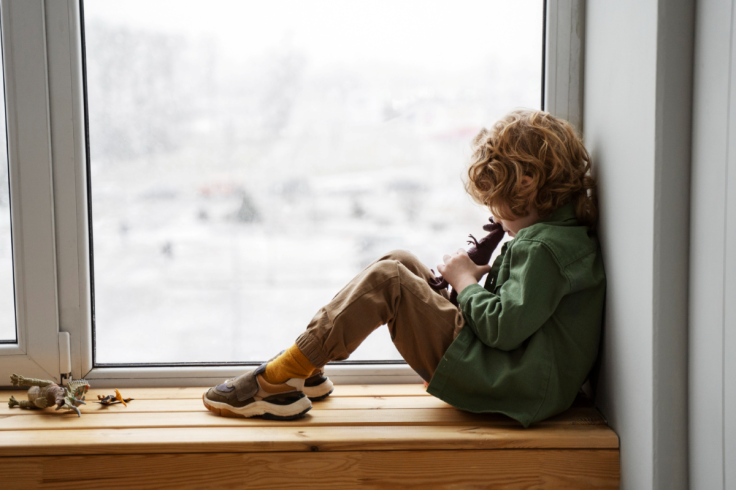
Losing a parent can fundamentally change a child's life, affecting their sense of security, family relationships, and everyday routines.
Now, new research suggests children who experience parental loss may also face a substantially higher risk of mental health disorders.
A large Australian study found that 21.4% of children who had experienced parental loss had a diagnosable mental disorder. The findings come from researchers at Curtin University and were published in the Australian Journal of Psychology.
What Did the Study Find?
Researchers analysed data from more than 6,300 Australian households involving children aged four to 17.
The study used a broad definition of parental loss, including the death of a biological parent, parental separation, and having a parent in custody. By age 17, 31.8% of children had experienced parental separation, while 2.5% had experienced the death of a biological parent, and 0.3% had a parent in custody.
Overall, 37.8% of children were not living with both biological parents. The researchers found that all forms of parental loss were associated with poorer mental health, although the strength of the association differed depending on the circumstances.
Losing a Parent to Death Had the Strongest Association
The highest rate of mental disorders was seen among children whose parents had died. The research found that 28.8% of these children had a mental disorder, compared with 13.7% of children who had not experienced parental death.
The researchers identified conditions including anxiety, depression, and attention-deficit/hyperactivity disorder (ADHD).
Lead author Professor Lauren Breen, from Curtin University's School of Population Health, said the findings reinforced existing evidence that parental bereavement can be particularly distressing during childhood.
'Parental loss is more common than many people realise, and it has a clear and measurable impact on children's mental health,' Breen said.
The study also found higher rates among children whose parents had separated. About 20.2% had a mental disorder, compared with 11.9% of children whose parents had not separated.
Among children who had a parent in custody, 21.9% had a mental disorder, compared with 13.9% of those without a parent in custody.
Why Can Parental Loss Affect Mental Health?
The death of a parent can involve much more than grief itself.
Children may suddenly lose an important source of emotional support, practical care, and financial security. Their routines can change, while surviving family members may also be dealing with their own grief.
Previous research has similarly linked parental death with mental health difficulties, including depression and anxiety. A systematic review found that these were among the most commonly reported mental health consequences associated with parental death in children.
However, children respond to bereavement differently. Some may show obvious sadness, while others may become withdrawn, irritable or anxious, experience changes in sleep or behaviour, or struggle at school.
The Findings Do Not Mean Loss Causes Mental Illness
Despite the striking figures, the study does not prove that parental loss directly causes mental disorders.
It was an observational analysis, meaning the researchers identified an association between parental circumstances and mental health rather than establishing a direct cause-and-effect relationship.
Other factors can influence a child's mental health following parental loss, including family conflict, financial difficulties, housing instability, and existing mental health problems within the family.
The circumstances surrounding the loss may also matter. A child's age, relationship with the parent, available support, and ability to maintain stable relationships with other caregivers can all shape how they respond.
What Support Do Bereaved Children Need?
The researchers said better identification and support could help children experiencing parental loss access appropriate care earlier.
Breen said families can face barriers including long waiting lists, financial costs, and uncertainty about where to seek help. She called for more accessible, evidence-informed mental health services, family-based support and clearer referral pathways.
Importantly, the findings should not suggest that children who lose a parent are destined to develop mental illness.
Many bereaved children recover and go on to lead healthy, productive lives. The research instead highlights the importance of recognising that parental loss can place additional psychological pressure on a child.
For parents, relatives, teachers and other caregivers, changes in behaviour, persistent anxiety, withdrawal, sleep problems or difficulties functioning after a major loss may warrant additional attention.
The key message is not that grief inevitably leads to mental illness. Rather, children experiencing parental loss may need more support during an exceptionally difficult period of development.
And identifying that need early could make it easier for vulnerable children and their families to receive the help they need.