ChatGPT Warned Mum Her Son, 7, Could Be Having a Stroke, but Doctors Sent Him Home
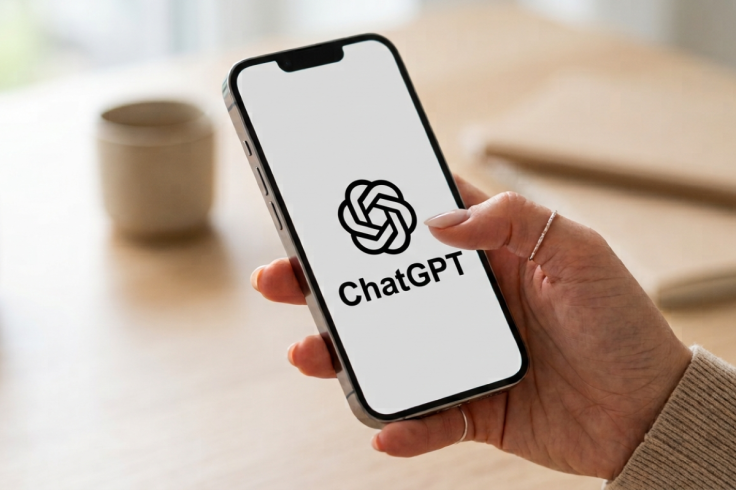
A seven-year-old boy suffered brain damage after a stroke went undiagnosed for six weeks, despite his mother saying that AI tool ChatGPT had flagged a possible stroke before doctors sent him home.
Junior Fahr, from Portslade, East Sussex, developed weakness and 'pins and needles' down the left side of his body while swimming on 12 May. His mother, Evangelynne Williams, said she entered his symptoms into ChatGPT, which suggested he could be experiencing a stroke.
She subsequently took Junior to hospital, but said doctors performed a few basic checks without carrying out a brain scan and advised the family to return if the symptoms happened again.
Symptoms Returned Weeks Later
Six weeks after the initial episode, Junior woke up vomiting and became increasingly unwell. On 25 June, his mother took him back to hospital.
Williams said her son initially spent hours in a room and was given anti-sickness medication. With temperatures reaching 38C that day, she initially wondered whether the heat could explain his symptoms.
Her concern increased when Junior became delirious, appeared to have seizures and cried out in pain. Williams said her mother, Junior's grandmother, eventually arrived and firmly pressed staff for further assessment.
A senior member of staff then examined Junior, prompting an emergency response. Scans revealed that he had suffered a stroke caused by a blocked artery in his brain. He was transferred by ambulance to another hospital for an operation to remove the clot. Junior was subsequently placed in a coma for three weeks.
Junior Faces a Long Recovery
Junior was discharged from hospital on 11 August. Although he has since regained the ability to walk and talk, his mother said the stroke caused brain damage that has affected his behaviour and development.
Williams said doctors had initially given the family little hope for his recovery, but Junior has made progress beyond those expectations.
She also said she had not realised children could suffer strokes, highlighting the difficulty parents may face when symptoms do not resemble what they traditionally associate with the condition.
Can Children Have Strokes?
Although stroke is more commonly associated with older adults, it can occur at any age, including childhood.
The symptoms can include sudden weakness or numbness affecting one side of the body, problems with speech, severe headache, dizziness, vomiting, seizures and changes in vision.
NHS guidance says the main warning signs can be remembered using FAST: face weakness, arm weakness, speech problems and time to call 999.
Childhood strokes can have different causes from those seen in adults. They may involve either a blocked blood vessel or bleeding in or around the brain.
Why Early Recognition Matters
Stroke is a medical emergency because interrupted blood flow can damage brain cells. The NHS advises calling 999 immediately when stroke symptoms appear, even if they subsequently disappear.
Brain imaging, including CT or MRI scans, can help determine whether a stroke has occurred and identify the type and area of the brain affected.
University Hospitals Sussex has apologised to Junior and his family and said it is investigating his care to understand what happened and identify potential improvements.
The case also highlights a limitation of AI health tools. ChatGPT may help someone recognise that symptoms warrant urgent medical attention, but it cannot examine a patient, order diagnostic tests or replace clinical assessment.
For parents, sudden weakness, numbness, speech difficulties, seizures or other concerning neurological symptoms should be treated seriously. If stroke is suspected, emergency medical help should be sought immediately.