
8-Year-Old Dies From 'Brain-Eating Amoeba': How Naegleria Fowleri Infection Happens
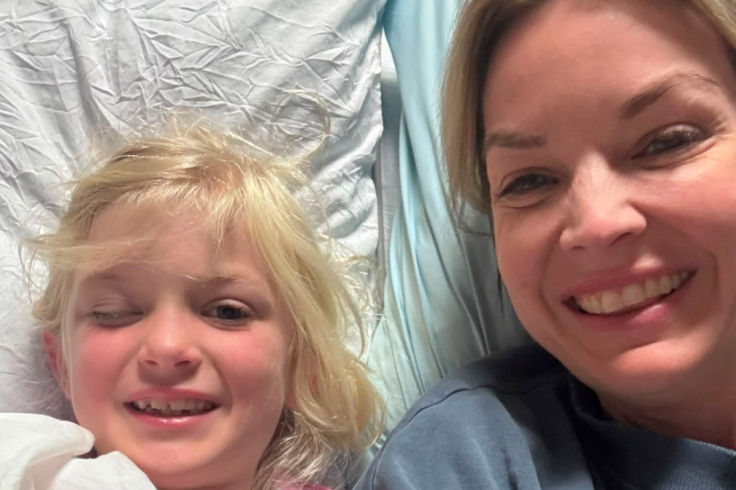
An eight-year-old Louisiana girl has died after contracting a rare infection caused by Naegleria fowleri, an amoeba commonly known as the 'brain-eating amoeba'.
Lillian Smart, from Ruston, died on 22 August after becoming infected with the organism, according to her family. Health officials said the infection was most likely acquired while she was swimming in Lake Claiborne. It was Louisiana's first confirmed Naegleria fowleri infection since 2013.
The tragedy has renewed attention on an infection that is extremely uncommon but can progress with alarming speed.
What Is Naegleria Fowleri?
Naegleria fowleri is a microscopic amoeba found naturally in warm or hot freshwater, including lakes, rivers, and hot springs. It thrives particularly well when water temperatures rise.
The organism causes a disease called primary amebic meningoencephalitis (PAM), a severe infection that damages brain tissue and causes swelling.
According to the US Centers for Disease Control and Prevention (CDC), only 31 Naegleria fowleri infections were reported in the US between 2012 and 2021, with all but three resulting in death. From 1962 to 2021, just four of 154 known US patients survived.
More recent reporting continues to describe infections as exceptionally rare, with fewer than 10 cases typically recorded in the US each year.
How Does the Infection Happen?
Despite its frightening nickname, the amoeba does not attack people simply because they swim in contaminated water. Infection occurs when water containing Naegleria fowleri enters the nose. The organism can then travel through the nasal passages and along the olfactory nerve towards the brain, where it causes PAM.
Importantly, people cannot contract the infection by drinking contaminated water, nor can it spread from one person to another. Most recreational infections are associated with swimming or diving in warm freshwater during the summer. The amoeba is not typically found in properly chlorinated swimming pools or saltwater.
What Are the Symptoms?
Symptoms usually begin around five days after exposure, although the incubation period can range from one to 12 days.
Early symptoms can include headache, fever, nausea, and vomiting. As the infection progresses, people may develop a stiff neck, confusion, loss of balance, hallucinations, and seizures. Coma can follow as the disease causes increasingly severe brain damage.
The illness can deteriorate rapidly after symptoms appear, making early recognition and urgent medical attention particularly important.
Can the Risk Be Reduced?
There is no way to completely eliminate the risk when swimming in warm freshwater where the amoeba may be present. However, the CDC recommends avoiding activities in warm freshwater when water temperatures are high, particularly in areas where Naegleria fowleri infections have been reported.
People who choose to swim can reduce the amount of water entering the nose by using nose clips or avoiding jumping and diving into warm freshwater.
Although the risk is extraordinarily low, the infection's severity means parents should seek urgent medical attention if a child develops sudden symptoms such as severe headache, fever, vomiting, or stiff neck after recent exposure to warm freshwater.
For most people, swimming remains a safe recreational activity. But the case highlights why awareness of rare waterborne infections matters, particularly during periods of extreme heat and warmer water temperatures.