
FDA to Review Multi-Cancer Blood Test: Could It Detect Cancer Before Symptoms Appear?
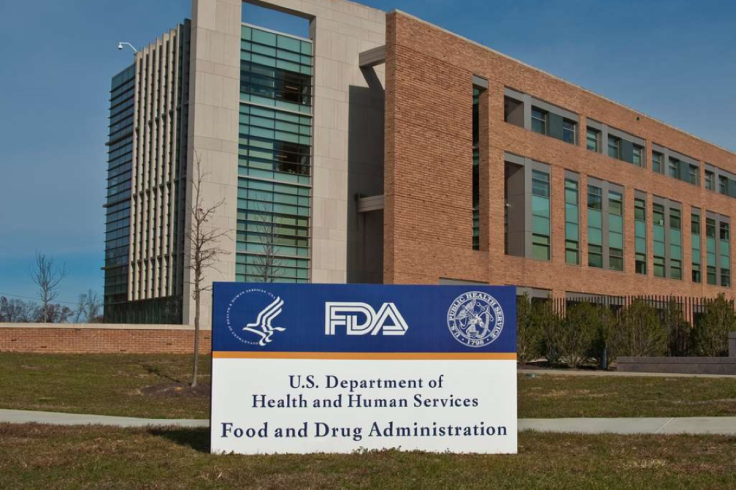
The US Food and Drug Administration (FDA) is preparing to review a blood test designed to detect signs of more than 50 types of cancer, potentially marking an important step for multi-cancer early detection.
GRAIL's Galleri test is currently available in the US as a laboratory-developed test, but it has not been approved or cleared by the FDA. The agency is expected to convene an outside advisory panel in September to examine GRAIL's application for Premarket Approval.
The FDA is not required to follow the panel's recommendation, meaning the meeting will not automatically result in the test receiving approval.
How Does the Galleri Cancer Blood Test Work?
Galleri is a type of multi-cancer early detection (MCED) test that uses a single blood sample to look for molecular signals released by tumour cells into the bloodstream. Artificial intelligence and machine-learning algorithms then analyse these signals and can help identify whether a cancer signal is present and where in the body it may have originated.
The test is designed to detect signals associated with more than 50 cancer types. The idea behind MCED testing is to identify cancers before they produce noticeable symptoms, when some cancers may be easier to treat.
However, a positive result does not mean someone definitely has cancer. It would require follow-up investigations, such as imaging or other diagnostic tests, to determine whether cancer is actually present.
Could It Find Cancer Earlier?
GRAIL submitted its FDA application in January 2026, including data from US and UK studies involving tens of thousands of participants. But evidence from the large NHS-Galleri trial has produced a more complicated picture.
The UK trial followed more than 70,000 adults aged 50 to 77 who did not have symptoms of cancer. Earlier this year, researchers reported that adding Galleri to standard screening did not significantly reduce the overall number of late-stage cancers detected, meaning it failed to meet its primary endpoint.
There were nevertheless some potentially encouraging findings.
By the third screening round, the test was associated with a 26% reduction in stage IV diagnoses for 12 deadly cancers, according to GRAIL and Reuters' reporting of the trial data. Adding the test to standard screening also increased cancer detection compared with standard screening alone.
These findings are part of why the FDA review is likely to attract considerable attention.
What Are the Potential Benefits?
Traditional cancer screening is already available for several cancers, including breast, bowel, cervical, and lung cancer in eligible groups.
But there are many cancers for which there is currently no routine population screening programme. A multi-cancer test could potentially help identify cancers that might otherwise remain undetected until symptoms develop.
That could be particularly significant for cancers that are often diagnosed at advanced stages. Galleri is intended to complement existing screening rather than replace established tests such as mammograms and colonoscopies. In other words, taking a Galleri test would not mean someone could skip their usual cancer screening.
Why Is the Test Still Controversial?
The biggest challenge is proving that detecting more cancers actually improves health outcomes. Finding a cancer earlier sounds inherently beneficial, but screening can also produce false-positive results, leading to anxiety, additional scans, biopsies, and other investigations.
There is also the possibility of overdiagnosis, where a cancer is detected that would never have caused symptoms or threatened a person's health during their lifetime. Researchers therefore need to establish not simply whether an MCED test can detect cancer, but whether using it routinely helps people live longer or avoid serious disease.
The NHS-Galleri results illustrate why that distinction matters. Although the test showed some encouraging signals, it did not achieve its primary trial endpoint for reducing late-stage cancer diagnoses overall.