
Doctor Reveals Why Americans Get More Skin Cancer on the Left Side and Why Australians Get It on the Right
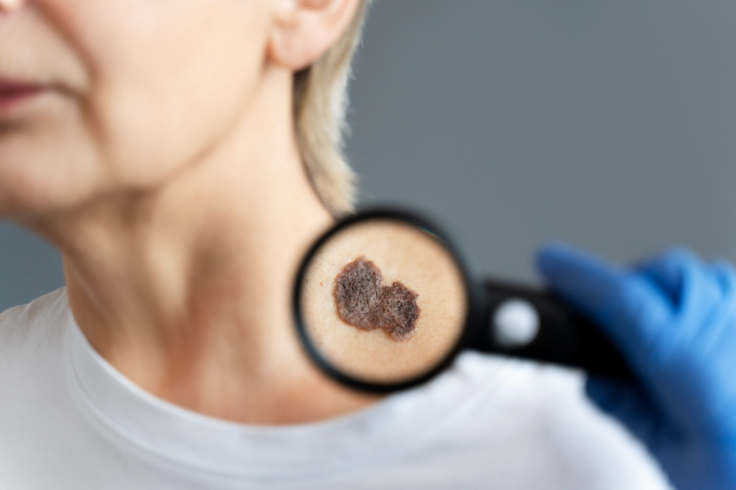
For most people, skin cancer prevention means remembering sunscreen before heading outdoors. But there is another detail that may influence where some skin cancers develop: which side of the car you sit on.
The Washington Post recently highlighted research suggesting that Americans may develop more skin cancers on the left side of their bodies, potentially because drivers in the US sit on the left side of the vehicle. In Australia, where drivers sit on the right, studies have found a corresponding pattern of greater sun damage on the right side.
The finding does not mean driving is the main cause of skin cancer, nor that the passenger side is risk-free. But it highlights how cumulative ultraviolet (UV) exposure can add up in unexpected ways.
Why Does Skin Cancer Appear More Often on One Side?
Research has identified a modest left-sided excess in some skin cancers in the US.
One large analysis of 82,587 melanomas recorded in the US Surveillance, Epidemiology, and End Results database found that 52.3% occurred on the left side compared with 47.7% on the right. The difference was particularly apparent on the arms, where 53% of melanomas occurred on the left.
Researchers have proposed that driving may partly explain the pattern.
In the US, drivers sit on the left side of the vehicle, leaving the left arm, hand, face, and other exposed areas closer to the side window. Studies have found that the left side of the head, neck, arm, and hand can receive substantially more UV radiation than the opposite side when someone is sitting in the driver's seat.
Australia Shows an Intriguing Reversal
The theory becomes more compelling when researchers look at countries where people drive on the opposite side of the road.
Australian drivers sit on the right side of the vehicle, and research has found greater sun-related skin damage on the right side among some Australian drivers.
This reversal has been cited as evidence supporting a link between driving position and cumulative UV exposure. However, researchers have also stressed that driving cannot explain every case or every difference in skin cancer distribution.
In other words, your steering wheel may influence where you receive some additional UV exposure, but it does not determine where skin cancer will develop.
Should You Wear Sunscreen While Driving?
For people who spend substantial time driving, prolonged UV exposure through car windows should be part of their overall sun-protection strategy. UVA rays can penetrate window glass, making protection particularly important for frequent drivers.
Broad-spectrum sunscreen helps protect against both UVA and UVB rays. Long sleeves, other sun-protective clothing, and appropriate window films can provide additional protection. This is particularly relevant for people who drive for work or spend hours on the road each week.
How to Protect Your Skin
The most effective approach is consistent protection regardless of which side of the car you sit on. Use broad-spectrum sunscreen on exposed skin, particularly when spending prolonged periods outdoors or behind the wheel. Reapply it as directed, especially after sweating or swimming.
Protective clothing, sunglasses, and shade can also reduce UV exposure. And don't ignore changes in your skin. A new or changing mole, a sore that does not heal, or a persistent scaly or unusual patch should be assessed by a healthcare professional.
The curious difference between left-sided skin cancer in some Americans and right-sided sun damage in some Australians offers an important reminder: sun exposure does not stop simply because you are sitting inside a car.
The side of the road you drive on may change which arm gets more sunlight, but protecting both sides of your body remains the safest approach.
Frequently Asked Questions
- Why is skin cancer more common on one side of the body?Research suggests that the side of the body exposed to more UV radiation while driving may develop more skin cancers.
- Should I wear sunscreen while driving?Yes, dermatologists recommend wearing sunscreen while driving as UVA can penetrate standard window glass.
- How can I protect myself from UV exposure in the car?Use sunscreen, wear protective clothing, apply window films, and limit direct sun exposure.