
US Mum Wore Eye Makeup to Bed for 20 Years, Now She Has a Painful Eye Condition With 'No Cure'
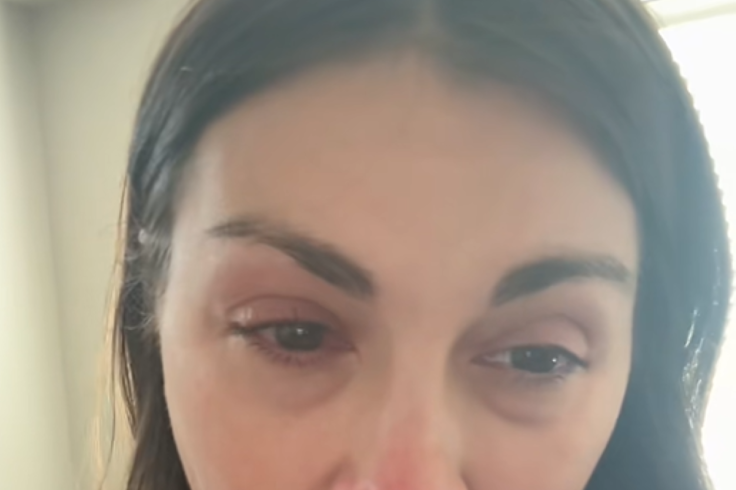
A 41-year-old mother from Boise, Idaho, has been left dealing with a chronic eye condition after routinely sleeping in eye makeup for nearly two decades.
Sarah Koseki began wearing heavy eye makeup at around 18 and would often go to bed without removing it, particularly after nights out. She told the New York Post that she never considered the habit particularly harmful because she had not experienced obvious problems with her skin.
But in 2021, while on holiday in Mexico, Koseki's eyelid suddenly became stuck to her eye. Opening it caused severe pain, and she was later diagnosed with a corneal tear, which is an injury to the clear front surface of the eye. The pain lasted for two days, while her eye took around two weeks to fully heal.
@rakerraker19 Corneal tears hurt sooo bad. Got Some bad news today, but also some good news. #corneacare #eyecare #mgd #dryeye #trend
♬ Ballerina - Yehezkel Raz
The episodes continued, eventually occurring roughly every three months. During a corneal tear, Koseki said she could not see properly, work, or even read to her children, with symptoms sometimes lasting up to 48 hours. After initially being told she had naturally dry eyes, she eventually saw a specialist who diagnosed her with meibomian gland dysfunction (MGD) in 2022.
What Is Meibomian Gland Dysfunction?
MGD affects the tiny oil-producing glands along the edges of the eyelids. These glands release an oily substance that forms the outer layer of the tear film, helping prevent tears from evaporating too quickly and keeping the surface of the eye lubricated.
When the glands become blocked or stop functioning properly, the tear film can become unstable, contributing to dry, irritated eyes and, in more severe cases, damage to the cornea. The Cleveland Clinic describes MGD as a common cause of dry eye syndrome.
The condition is not rare. A US systematic review and meta-analysis estimated the prevalence of MGD at about 21.2 per cent, although researchers stressed that estimates vary considerably between studies and that better population-level research is needed.
In Koseki's case, her specialist believed years of sleeping in eye makeup had contributed to blocked meibomian glands. However, it is important not to assume that sleeping in makeup inevitably causes MGD. The condition has multiple possible risk factors, including ageing, hormonal changes, certain inflammatory conditions, and contact lens use.
How Is MGD Treated?
There is currently no single cure that restores damaged meibomian glands, but treatment can help manage symptoms and protect the eye surface. Depending on the severity and underlying cause, approaches can include artificial tears, warm compresses, eyelid hygiene, and specialist treatments.
Koseki now uses eye drops several times a day, cleans her eyelids, and uses a heated mask to help the oils in her glands flow. She has also stopped wearing most eye makeup. Her specialist provided protective bandage contact lenses for corneal tears, and she has also undergone intense pulsed light (IPL) treatment. She reported going 18 months without another corneal tear after one IPL treatment.
For anyone experiencing persistent dryness, burning, grittiness, excessive watering, blurred vision, or recurrent eye pain, an eye examination is important. And while removing makeup before bed cannot eliminate every risk of MGD, good eyelid hygiene is a simple precaution, particularly for products applied directly along the eyelid margin.
Frequently Asked Questions
- What is Meibomian Gland Dysfunction?Meibomian Gland Dysfunction (MGD) is a condition where the oil-producing glands in the eyelids become blocked or dysfunctional, leading to dry and irritated eyes.
- Can sleeping in eye makeup cause Meibomian Gland Dysfunction?While sleeping in eye makeup can contribute to blocked glands, MGD has multiple risk factors, and not everyone who sleeps in makeup will develop the condition.
- How can Meibomian Gland Dysfunction be treated?Treatment options include artificial tears, warm compresses, eyelid hygiene, and specialist treatments like IPL therapy. Consult an eye specialist for personalised advice.