
Worried About A Mole? Dermatologists Explain The Skin Cancer Signs To Watch For
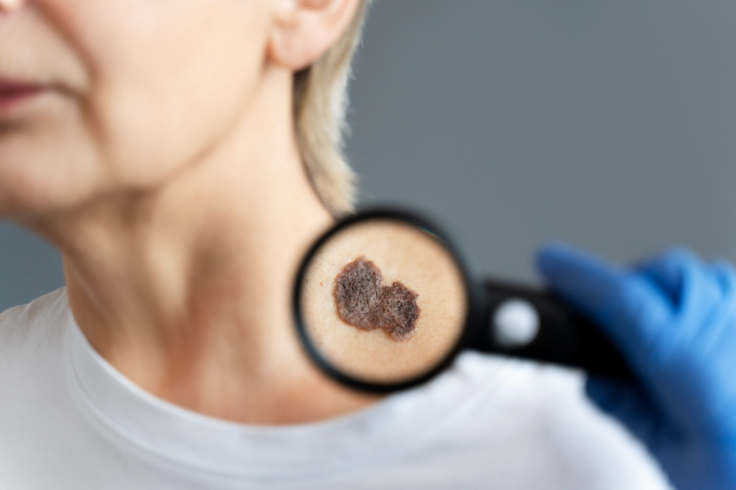
A new mole or a change to an existing one is often easy to dismiss, but paying attention to changes on the skin can play an important role in detecting skin cancer early.
While many moles are harmless, some changes may indicate melanoma or other forms of skin cancer that require medical assessment. Knowing what to look for and when to seek professional advice can improve the chances of early diagnosis and treatment.
'The main early warning signs are changes to a mole or "lesion" or new "lesion" or mole that either is crusted, bleeding, or has significant changes with regard to colour and border,' said board-certified dermatologist Dr Mark Nestor, senior dermatologist at Sensus Healthcare, in commentary provided by Anthony Berlin of Berlin Media Relations.
Skin cancer is one of the most common cancers worldwide. Although melanoma receives significant attention because of its potential seriousness, it is less common than basal cell carcinoma (BCC) and squamous cell carcinoma (SCC), which are often linked to long-term sun exposure.
What Does a Suspicious Mole Look Like?
One of the most widely used methods for identifying potentially concerning moles is the ABCDE rule, which helps people recognise features associated with melanoma.
The ABCDE checklist includes:
- Asymmetry: One half of the mole does not match the other half.
- Border: The edges are irregular, uneven or poorly defined.
- Colour: The mole contains different shades or unusual colours, including black, blue or red areas.
- Diameter: The mole is larger than 6mm, approximately the size of a pencil eraser.
- Evolving: The mole is changing in appearance, size, shape, colour or sensation.
'The ABCDE rule is specifically associated with malignant melanoma,' Dr Nestor explained. 'Individuals can look for irregularity or asymmetry of the lesion, an irregular border around the lesion, colour that is different throughout the lesion, including red and blue, diameter above 6mm or a pencil eraser and a change in an existing lesion.'
However, the ABCDE rule does not identify every type of skin cancer. Some cancers may appear differently and develop in areas where people may not expect them.
Other Skin Cancer Signs Beyond Mole Changes
Changes such as itching, bleeding, crusting or pain should not be ignored, particularly if they persist.
Jennifer D. Holman, MD, FAAD, a dermatologist and skin cancer surgeon with US Dermatology Partners, said people should pay attention to spots that do not heal normally.
'For basal cell and squamous cell carcinomas, which are more prevalent than melanoma, I tell patients that any spot that is bleeding or doesn't heal after a couple of weeks needs to be checked out,' she said.
Some people mistake early skin cancers for minor skin problems. 'As a skin cancer surgeon I hear people say daily, "I thought it was just a pimple or a bug bite but it just wouldn't heal,"' Dr Holman added.
Basal cell carcinoma may sometimes appear as a translucent or pearly lesion, while squamous cell carcinoma can present as a rough, scaly or crusted patch. These cancers often develop on sun-exposed areas, although they can occur elsewhere.
What Does Early Melanoma Look Like?
Melanoma typically develops from pigment-producing cells called melanocytes. It may appear as a changing mole or a new pigmented spot on the skin.
'The most typical form of melanoma in its earliest stage is a changing pigmented spot or a pigmented spot that meets those ABCDE criteria,' Dr Holman said.
Unlike some other skin cancers, early melanoma does not usually appear crusted or bleeding, according to Dr Nestor. However, melanoma can sometimes be difficult to recognise because it may not always follow typical patterns.
In rare cases, melanoma can be amelanotic, meaning it lacks the dark pigment usually associated with the disease.
Who Is Most at Risk of Skin Cancer?
Anyone can develop skin cancer, regardless of age or skin type, although some factors increase risk.
People at higher risk include those with:
- Fair skin, hair and eyes
- A history of blistering sunburns
- Frequent ultraviolet (UV) exposure
- Use of tanning beds
- A family history of skin cancer
- A weakened immune system or use of immunosuppressive medication
Dr Holman stressed that skin cancer is not limited to older people or those with lighter skin. 'I have personally seen skin cancer in all skin types and ages,' she said. 'All skin types and all body areas can potentially develop skin cancer.'
She also warned against the misconception that a 'base tan' protects against skin cancer. 'Any tan is a sign of your body responding to DNA damage from UV radiation,' she said. 'Both sunburns and chronic cumulative UV exposure increase the risk of skin cancer.'
How to Check Your Skin for Warning Signs
Regular self-examinations can help people notice changes early. Experts recommend checking the entire body, including areas that are easy to overlook, such as the scalp, behind the ears, between fingers and toes, and under nails.
If a suspicious mole or spot is noticed, taking a photograph can help track whether it changes over time. '[Individuals] can take a picture of it on their phone, and when they have significant concerns they should see the dermatologist,' Dr Nestor advised.
However, people should not rely solely on online searches or artificial intelligence tools to diagnose skin changes. 'Many individuals are using the Internet or AI to determine if a lesion needs assessment and this has made individuals very anxious when this is unnecessary,' Dr Nestor said.
When Should You See a Doctor About a Mole?
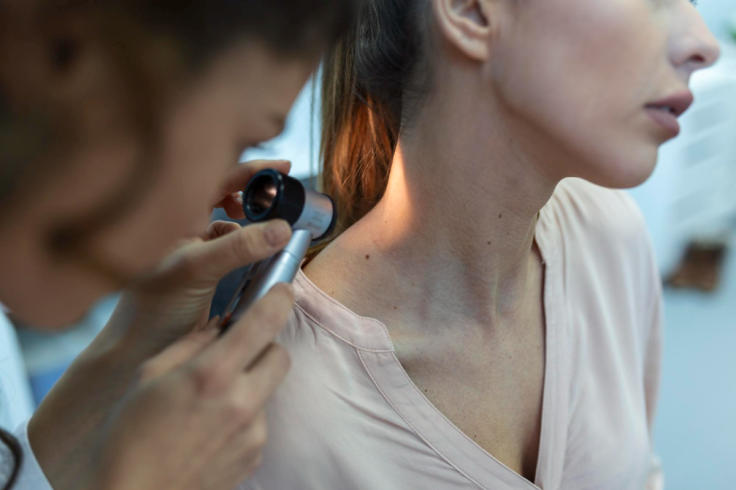
People should arrange a GP or dermatologist appointment if they notice:
- A mole that changes in size, shape or colour
- A new unusual-looking mole or lesion
- A spot that repeatedly bleeds or crusts
- A wound that does not heal after several weeks
- Persistent itching, tenderness or pain in a mole
- Rapid changes in any skin lesion
Higher-risk individuals, including those with previous skin cancer, numerous moles or a history of significant UV exposure, may benefit from regular professional skin examinations.
During a skin check, a dermatologist typically examines the skin from head to toe. If a suspicious area is found, they may recommend a biopsy.
'The gold standard for determining whether a lesion is a skin cancer is a biopsy and assessment by the dermatopathologist,' Dr Nestor said.
Dr Holman added that biopsies are usually straightforward procedures involving local anaesthetic and removal of a small sample for testing.
Protecting Your Skin and Reducing Risk
Although not all skin cancers can be prevented, reducing UV exposure can lower risk.
Experts recommend:
- Wearing broad-spectrum sunscreen with SPF 30 or higher
- Seeking shade during peak sunlight hours
- Wearing protective clothing, hats and sunglasses
- Avoiding tanning beds
- Checking skin regularly for changes
'The most important advice for reducing skin cancer is to limit sun exposure, cover up with sun-protective clothing and wear sunblock SPF of 30 and above,' Dr Nestor said.
Most importantly, people should not ignore changes simply because they seem minor. Early detection remains one of the strongest tools for successfully treating skin cancer. If a mole or skin lesion looks different, continues changing or causes concern, getting it checked by a healthcare professional is the safest approach.
Frequently Asked Questions
- What are the warning signs of skin cancer?Warning signs include changes in moles such as asymmetry, irregular borders, multiple colours, large diameter, and evolving appearance, as well as persistent itching, bleeding, or non-healing spots.
- What is the ABCDE rule for checking moles?The ABCDE rule helps identify melanoma: Asymmetry, Border irregularity, Colour variation, Diameter over 6mm, and Evolving changes in the mole.
- Who is at higher risk of developing skin cancer?Individuals with fair skin, a history of sunburns, frequent UV exposure, use of tanning beds, family history of skin cancer, or a weakened immune system are at higher risk.
- How can I reduce my risk of skin cancer?Reduce risk by wearing sunscreen with SPF 30 or higher, seeking shade during peak sunlight hours, wearing protective clothing, avoiding tanning beds, and regularly checking your skin for changes.
- When should I see a doctor about a mole?See a doctor if you notice a mole changing in size, shape, or colour, a new unusual-looking mole, a spot that bleeds or crusts, a wound that does not heal, or persistent itching or pain in a mole.