
Persistent Cough in Children: 10 Possible Causes and When It Needs Medical Attention
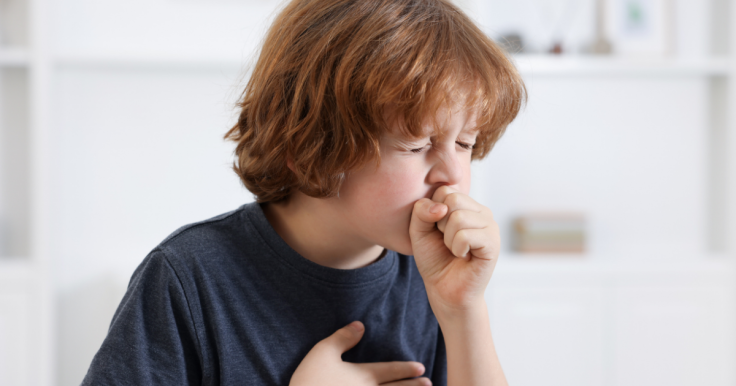
A cough is one of the most common reasons children become unwell, particularly during cold and flu season. In most cases, it is the body's way of clearing mucus and irritation from the airways and will settle without specific treatment.
But a cough that persists, repeatedly returns or is accompanied by other symptoms can sometimes point to an underlying condition that needs assessment.
According to the National Health Service (NHS), most coughs clear within three to four weeks. Parents should seek medical advice if a cough lasts longer than three weeks, becomes particularly severe or is accompanied by breathing difficulties, chest pain or significant illness.
Here are 10 possible causes of a persistent cough in children.
1. Viral Respiratory Infections
Colds, influenza, respiratory syncytial virus (RSV) and other viral infections are among the most common causes of childhood coughs.
According to the NHS, younger children can have around five to eight colds a year, and most colds improve within about two weeks. However, the cough associated with a respiratory infection can linger after other symptoms have disappeared.
2. Asthma
A persistent dry cough can sometimes be a sign of asthma, particularly when it is worse at night, during exercise or when the child is exposed to a trigger.
Healthier Together, an NHS-supported health information service, lists wheezing, a persistent dry cough and faster or more laboured breathing among possible signs of childhood asthma.
Asthma symptoms can come and go, so a child does not necessarily need to be coughing every day for the condition to be considered.
3. Allergies and Post-Nasal Drip
Hay fever and other allergies can irritate the upper airways and cause mucus to run down the back of the throat. This can produce a persistent cough, often alongside a blocked or runny nose, sneezing or itchy, watery eyes.
Allergies are among the recognised causes of ongoing cough in NHS guidance.
4. Whooping Cough
Whooping cough, or pertussis, is a bacterial infection affecting the lungs and airways. It can initially resemble an ordinary cold before developing into repeated, sometimes severe, coughing bouts.
According to the NHS, these bouts may be worse at night and can be followed by vomiting. A characteristic 'whoop' may occur when the child breathes in after coughing, although not every child makes this sound. The cough can last for several weeks or even months.
Babies, particularly those under six months, are at greater risk of serious complications.
5. Pneumonia
Pneumonia is an infection of the lungs and can be caused by bacteria, viruses or, less commonly, other organisms. Cough may occur alongside fever, tiredness, chest discomfort or breathing difficulties.
Children with pneumonia do not always appear severely ill, particularly in milder cases. That is why changes in breathing, persistent fever or a cough that is getting worse deserve attention.
6. Walking Pneumonia
'Walking pneumonia' is a term commonly used for a less severe form of pneumonia, frequently associated with Mycoplasma pneumoniae.
According to Nemours KidsHealth, a cold that lasts beyond seven to 10 days, particularly when a cough is worsening or failing to improve, can sometimes be a sign of walking pneumonia. Symptoms may include a persistent cough, low-grade fever and fatigue.
Dr Jennifer Silver, commenting on walking pneumonia in children, highlights a persistent dry cough, mild fever and fatigue as symptoms parents may notice. She advises seeking medical attention when symptoms persist, noting that 'early antibiotic intervention is vital'. Her account describes recovery involving antibiotics, rest and fluids, while stressing the importance of monitoring for breathing difficulties and prolonged fever.
Importantly, antibiotics should not be given routinely for childhood coughs. Cleveland Clinic notes that treatment for walking pneumonia depends on its cause; antibiotics may be appropriate when a bacterial infection is responsible.
7. Reflux
Gastro-oesophageal reflux can sometimes trigger coughing when stomach contents move back towards the oesophagus and throat. The cough may be particularly noticeable after meals or when lying down.
Reflux is recognised by the NHS as one possible cause of cough, although persistent symptoms should be assessed rather than automatically attributed to reflux.
8. Bronchitis
Bronchitis occurs when the airways become inflamed, often following an infection. A cough can persist for several weeks even after a child otherwise starts feeling better.
According to the NHS, bronchitis usually clears within around three weeks. Medical advice is recommended if symptoms continue beyond that point, particularly if the child is short of breath or feels too unwell to carry out normal activities.
9. Irritation From Smoke or Other Environmental Triggers
Second-hand smoke, vaping aerosols, dust and other airborne irritants can aggravate children's airways and contribute to coughing.
Reducing exposure is particularly important for children with asthma or other respiratory conditions.
10. A Foreign Object in the Airway
A sudden cough that begins while a child is eating or playing with a small object can indicate that something has entered the airway. This requires prompt medical assessment, particularly if coughing is accompanied by choking, noisy breathing or difficulty breathing.
When Should Parents Seek Urgent Help?
Parents should seek urgent medical attention if a child with a cough:
- Is struggling to breathe or breathing unusually fast
- Has blue or grey lips, face or skin
- Has significant chest pain
- Is unusually sleepy, confused, floppy or difficult to wake
- Is coughing so severely that they cannot catch their breath
- Has rapidly worsening symptoms
- Is showing signs of dehydration or cannot keep fluids down
The NHS advises calling 999 or going to A&E if a child is struggling to breathe, develops blue or grey colouring, or has severe breathing problems.
For less urgent concerns, parents can contact their GP or NHS 111. A cough lasting longer than three weeks should generally be assessed, even when the child otherwise appears well.
How Long Is Too Long?
There is no single cut-off that determines whether a child's cough is serious. Many coughs following viral infections gradually improve over several weeks. However, the pattern matters: a cough that is worsening rather than improving, repeatedly returning, interfering with sleep or exercise, or occurring with fever, wheezing or breathing difficulties warrants medical assessment.
A lingering cough also does not automatically mean a child needs antibiotics. As the NHS explains, antibiotics are not normally prescribed for coughs and are generally reserved for bacterial infections or children at risk of complications.
For parents, the most important distinction is therefore not simply how loud or persistent a cough sounds, but whether the child's overall condition is improving. When breathing becomes difficult, symptoms worsen or a cough continues beyond the expected recovery period, professional medical advice is the safest next step.
Frequently Asked Questions
- What are common causes of a persistent cough in children?Common causes include viral respiratory infections, asthma, allergies, whooping cough, pneumonia, reflux, bronchitis, environmental irritants, and foreign objects in the airway.
- When should parents seek urgent medical help for a child's cough?Urgent help should be sought if the child is struggling to breathe, has blue or grey lips, significant chest pain, is unusually sleepy or confused, or has rapidly worsening symptoms.
- How long should a cough last before seeking medical advice?Medical advice should be sought if a cough lasts longer than three weeks, becomes severe, or is accompanied by breathing difficulties or other concerning symptoms.
- Are antibiotics necessary for treating a child's cough?Antibiotics are not usually prescribed for coughs unless there is a bacterial infection or the child is at risk of complications.