
Scarlet Fever Symptoms: How to Spot the Signs Early and Protect Your Child From Complications
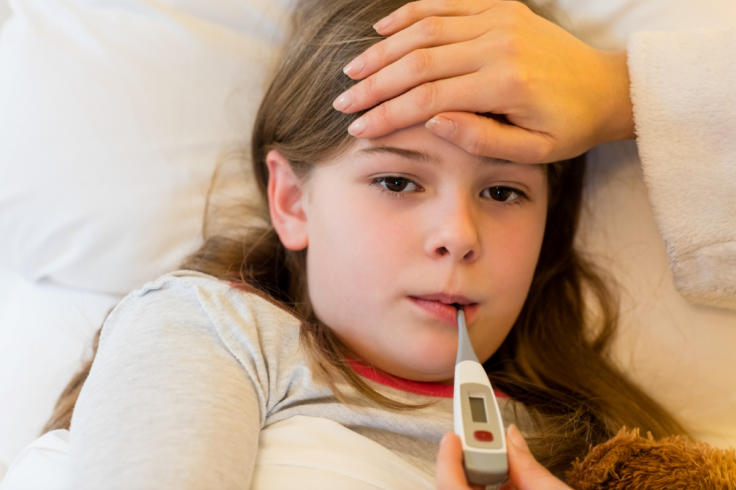
Scarlet fever may sound like an illness from the past, but it remains a concern for parents today. Caused by the same bacteria responsible for strep throat, the infection can spread quickly among children, particularly in schools and nurseries.
While scarlet fever is usually straightforward to treat with antibiotics, recognising the symptoms early is important. Prompt treatment can help reduce the risk of complications and limit the spread of infection to others.
What Is Scarlet Fever?
Scarlet fever is an infection caused by toxin-producing strains of group A Streptococcus (GAS) bacteria. The same bacteria can cause conditions such as strep throat and skin infections, but in scarlet fever, certain strains release toxins that trigger the characteristic rash.
'Scarlet fever is due to the toxin-producing strains of group A beta-haemolytic Streptococcus, the exact same bacteria that cause strep throat,' explained Dr Ayesha Bryant, MD, MSPH, Clinical Advisor at Alpas Wellness.
'The difference from strep throat is the production of toxins that cause the rash.'
Although scarlet fever is often associated with Victorian-era illnesses, cases have increased in recent years in the UK and other countries. This makes awareness of symptoms particularly important for parents and caregivers.
What Are the First Signs of Scarlet Fever?
Many parents expect the rash to be the first warning sign, but symptoms often begin before any skin changes appear.
According to Dr Bryant, early symptoms usually include:
- A sudden sore throat
- Fever
- Headache
- Tiredness or fatigue
Unlike many viral infections, scarlet fever often causes a particularly painful sore throat without common cold symptoms such as a cough or runny nose.
'While parents may be fixated on the rash, the first signs are usually evident before the rash appears,' Dr Bryant said.
'Usually, unlike most viral conditions, the sore throat can be quite severe, and there is no cough or runny nose present.'
Children may also experience swollen neck glands, difficulty swallowing, nausea or a reduced appetite.
What Does the Scarlet Fever Rash Look Like?
The rash is one of the most recognisable features of scarlet fever. It typically appears within 12 to 48 hours after the fever begins, often starting on the chest or neck before spreading to other areas of the body.
The rash is usually:
- Red and widespread
- Rough to the touch, similar to sandpaper
- More noticeable in skin folds, such as the armpits and groin
Some children may also develop a 'strawberry tongue', where the tongue becomes red, swollen and bumpy.
'Additionally, "strawberry tongue" can occur along with the rash in some children,' Dr Bryant said.
The rash may fade after several days, and some children experience peeling skin, particularly around the fingertips, toes or groin, as they recover.
How Is Scarlet Fever Diagnosed?

If a child develops symptoms that suggest scarlet fever, parents should contact their GP or local healthcare provider.
Diagnosis is usually based on a combination of:
- The child's symptoms
- A physical examination
- Throat testing where needed
'Diagnosis is made in a general practitioner setting using a combination of the child's symptoms and clinical findings, with throat swabbing or rapid testing used where necessary if there is uncertainty about the diagnosis,' Dr Bryant explained.
Testing approaches may vary depending on local guidelines, but confirming the infection can help ensure children receive appropriate treatment.
How Is Scarlet Fever Treated?
Scarlet fever is generally treated with antibiotics, which can help reduce symptoms, shorten the period of infectiousness and lower the risk of complications.
'Early administration of appropriate antibiotics will reduce the duration of contagiousness, improve symptoms, and most importantly decrease the risk of complications such as rheumatic fever or invasive streptococcal infections,' Dr Bryant said.
Most children begin to feel better within a few days after starting treatment. However, it is important that they complete the full course of antibiotics prescribed by a healthcare professional, even if symptoms improve.
How Contagious Is Scarlet Fever?
Scarlet fever spreads through close contact with infected individuals. The bacteria can pass through respiratory droplets from coughing or sneezing, as well as through contact with infected saliva or mucus.
Because children spend significant time in close-contact environments such as schools and nurseries, outbreaks can occur.
Children with scarlet fever should stay away from school or nursery until they are well enough to return. In most cases, children can go back 24 hours after starting appropriate antibiotics, provided they feel well.
When Should Parents Seek Medical Advice?
Parents should seek medical advice if their child develops:
- A high fever
- A severe sore throat, particularly without cough or cold symptoms
- A rough, widespread rash
- A swollen, red 'strawberry tongue'
- Signs of becoming increasingly unwell
Urgent medical advice should be sought if a child has difficulty breathing, appears unusually drowsy, becomes dehydrated, or develops symptoms that are rapidly worsening.
Can Scarlet Fever Cause Complications?
Most children recover fully with appropriate treatment, but untreated scarlet fever can occasionally lead to complications.
Possible complications include:
- Ear infections
- Sinus infections
- Pneumonia
- Rheumatic fever, which can affect the heart
- Invasive group A streptococcal infections, which are rare but serious
This is why recognising symptoms early and seeking medical advice when needed is important.
Final Thoughts
Scarlet fever is not simply an illness from history books. Although it is usually manageable with timely treatment, recognising the early warning signs can help protect children and prevent wider spread.
A sore throat, fever and fatigue may appear before the tell-tale rash, so parents should not wait for skin symptoms alone before seeking advice. Early diagnosis and appropriate antibiotics remain key to helping children recover safely.
Frequently Asked Questions
- Is scarlet fever still common in children?Yes. Although scarlet fever is often viewed as an illness from the past, cases still occur today, including increases in the UK and other countries in recent years. It spreads easily among children, particularly in schools and nurseries.
- What is the first sign of scarlet fever?The first signs of scarlet fever are often a sore throat, fever, headache and tiredness. The rash usually appears later, often within 12 to 48 hours after the fever begins.
- How does scarlet fever rash look and feel?The scarlet fever rash is typically red, widespread and rough to the touch, often described as feeling like sandpaper. It commonly starts on the chest or neck before spreading, and some children may also develop a red, swollen 'strawberry tongue'.
- How long should a child with scarlet fever stay away from school?Children with scarlet fever can usually return to school or nursery 24 hours after starting appropriate antibiotics, as long as they feel well enough to take part in normal activities.
- Can scarlet fever go away without treatment?Although some symptoms may improve over time, medical advice should be sought because antibiotics can reduce the duration of infection, lower the risk of complications and help prevent the spread of bacteria to others.