
Childhood Asthma Explained: Early Warning Signs Every Parent Should Know
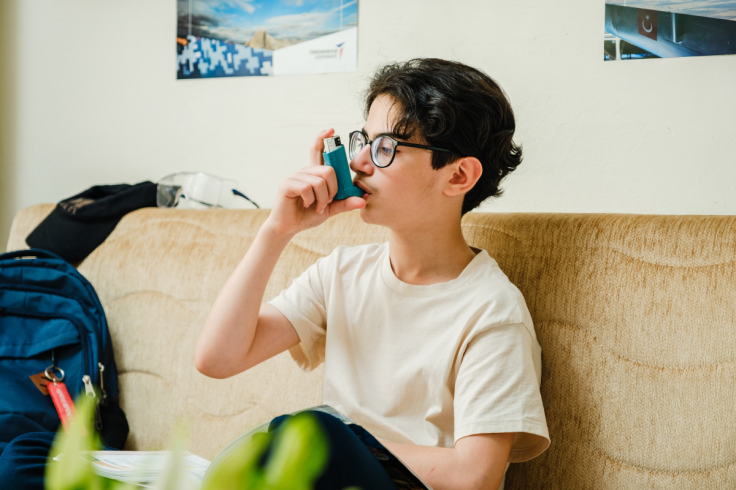
A persistent cough, wheezing after exercise or breathlessness at night may be easy to dismiss as another childhood cough. But when these symptoms keep returning, they could be signs of asthma.
Asthma is a common condition in children in which the airways become inflamed and narrower, making breathing more difficult. Symptoms can come and go and may be triggered by infections, allergies, exercise, smoke or cold air.
For parents, recognising the early warning signs, and knowing what to do when symptoms worsen, can help prevent potentially serious asthma attacks.
What Are the Early Signs of Childhood Asthma?
Asthma does not necessarily look the same in every child. Some may wheeze, while others mainly have a persistent cough or become breathless during physical activity.
Common symptoms include:
- Wheezing. A whistling or squeaky sound when a child breathes, particularly when breathing out.
- Recurring cough. Asthma can cause a cough that is worse at night, early in the morning or during exercise.
- Breathlessness. A child may struggle to keep up with friends during running or sport.
- Chest tightness. Older children may describe a feeling of pressure or tightness in their chest.
- Night-time symptoms. Repeated coughing or breathing difficulties that wake a child can indicate poor asthma control.
A cough or wheeze does not automatically mean a child has asthma. Viral infections and other respiratory conditions can produce similar symptoms, so a GP or asthma specialist may need to assess the pattern over time.
Why Do Asthma Symptoms Flare Up?
Asthma symptoms occur when the airways become swollen and narrowed. Different children can have different triggers.
Common triggers include:
- Colds and respiratory infections. These are frequent causes of asthma flare-ups in children.
- Allergens. Pollen, dust mites, mould and animal allergens can trigger symptoms in susceptible children.
- Smoke and air pollution. Cigarette smoke, traffic fumes and poor air quality can irritate the airways.
- Exercise. Running and other physical activity can trigger symptoms in some children.
- Cold air and weather changes: Breathing cold air may worsen symptoms.
Keeping track of when symptoms occur can help families and clinicians identify patterns. A child who repeatedly coughs after running, for example, may need assessment for exercise-related asthma symptoms.
When Does a Cough Need an Asthma Check?
Not every persistent cough is asthma, but recurring symptoms deserve attention.
Parents should consider speaking to a GP if their child regularly:
- Coughs at night.
- Wheezes or becomes short of breath.
- Wakes because of breathing symptoms.
- Struggles to participate in exercise.
- Needs an inhaler increasingly often.
- Has symptoms that interfere with school, sleep or normal activities.
Asthma can take time to diagnose because symptoms often vary. A healthcare professional may ask about the child's symptoms and triggers, listen to their chest and, depending on their age and circumstances, arrange breathing tests.
Why an Asthma Action Plan Matters
For children diagnosed with asthma, an Asthma Action Plan can provide a practical roadmap for parents, children and carers.
Dr Ellen Lestz, a paediatrician at White Plains Hospital, emphasises the importance of having an Asthma Action Plan. She says it helps families identify a child's triggers and understand how to manage symptoms as they change.
UK NHS guidance similarly recommends that children with asthma have a personalised written plan covering their regular medicines, triggers, signs that asthma is worsening and what to do during an attack. The plan should also be shared with school staff and other carers where appropriate.
A good plan can help parents distinguish between symptoms that can be managed at home and those requiring urgent medical attention.
What Are the 'Yellow Zone' Warning Signs?
Many asthma action plans divide symptoms into zones to indicate how well asthma is controlled.
The yellow zone generally means asthma symptoms are beginning to worsen. Depending on the individual plan, this may include increased coughing or wheezing, breathlessness, night-time symptoms or needing reliever medication more frequently.
Dr Lestz advises parents to contact their child's doctor if 'yellow zone' symptoms persist beyond 24 hours rather than allowing worsening symptoms to continue unchecked.
The exact instructions can vary according to a child's medicines and treatment plan, so parents should follow their own clinician-approved action plan rather than relying on a generic dosing schedule.
Some UK action plans similarly advise contacting a doctor or nurse within 24 hours if worsening symptoms do not improve.
How Can Parents Help Keep Childhood Asthma Under Control?
Good asthma management involves more than treating symptoms during an attack.
Parents can help by ensuring their child takes prescribed medicines as directed, uses inhalers correctly and attends regular asthma reviews.
Inhaler technique is particularly important. If a child is not using their inhaler correctly, the medicine may not reach the lungs effectively. Some children are advised to use a spacer with their inhaler, depending on the medicine and their age.
Families should also know their child's triggers and reduce avoidable exposure to irritants such as tobacco smoke and air pollution where possible.
Why Regular Asthma Reviews Are Important
Asthma treatment should not be considered a one-off decision.
Dr Lestz recommends regular reviews with a paediatrician or pulmonologist to make sure a child's asthma remains properly controlled. As children grow, their symptoms, triggers, inhaler technique and treatment needs can change.
NHS guidance recommends asthma check-ups at least once a year, including a review of treatment and inhaler technique. A review is also important after an asthma attack.
NHS England's current children's asthma campaign also highlights four priorities: having an asthma action plan, understanding inhaler use, scheduling regular reviews and considering air quality.
When Is an Asthma Attack an Emergency?
A severe asthma attack can become life-threatening.
Parents should follow their child's Asthma Action Plan immediately. If symptoms are severe, worsening or the reliever inhaler is not helping, emergency medical assistance may be needed.
The NHS advises calling 999 if a child is having an asthma attack and is getting worse, does not improve after the maximum recommended reliever dose in their personal plan, or does not have an inhaler.
A child who is struggling severely to breathe, unable to speak normally because of breathlessness, becoming unusually drowsy or showing signs of serious breathing difficulty needs urgent emergency care.
Frequently Asked Questions
- What are the early signs of childhood asthma?Early signs include wheezing, persistent cough, breathlessness, chest tightness, and night-time symptoms.
- What triggers asthma symptoms in children?Common triggers include colds, allergens, smoke, exercise, and cold air.
- Why is an Asthma Action Plan important?It helps manage symptoms, identify triggers, and provides steps for handling asthma attacks.
- How often should a child with asthma have a medical review?At least once a year, or more frequently if symptoms change or after an asthma attack.
- When should emergency medical assistance be sought for an asthma attack?If symptoms are severe, worsening, or not improving with reliever inhaler use, call 999.