
Hand, Foot and Mouth Disease Explained: Symptoms, Treatment and How Long Children Are Contagious
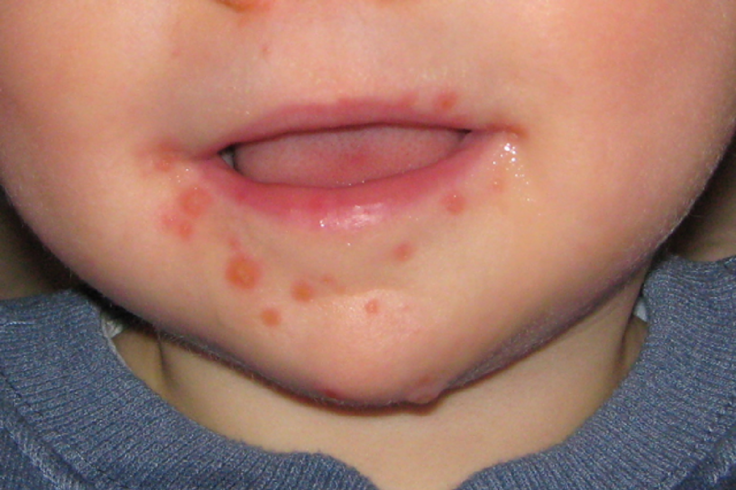
Hand, foot and mouth disease (HFMD) is a common childhood infection that can spread rapidly through nurseries, schools and households. Although the illness is usually mild and clears without specific treatment, its combination of fever, painful mouth ulcers and a distinctive rash can be distressing for children.
The condition is caused by enteroviruses, most commonly coxsackievirus A16, although other coxsackieviruses and enterovirus A71 can also cause it. Coxsackievirus A6 has also emerged as an important cause in several countries.
What Is Hand, Foot and Mouth Disease?
HFMD is a viral infection that mainly affects young children, although older children and adults can catch it too. The name comes from the areas where its characteristic rash commonly appears: the hands and feet, alongside sores in the mouth.
A 2023 StatPearls review by Amanda M. Guerra and Emily Orille of Michigan State University and McLaren Macomb, and Muhammad Waseem of Weill Cornell Medicine New York, New York Medical College and St. George University, describes HFMD as a common viral illness that usually affects infants and children.
The review notes that children, particularly those younger than seven, are more frequently affected, with outbreaks commonly occurring in childcare settings and within families.
What Are the First Symptoms of HFMD?
The illness usually begins with relatively non-specific symptoms before the characteristic rash and mouth ulcers appear.
According to the NHS, early symptoms can include:
- Sore throat. A child may complain that their throat or mouth hurts.
- High temperature. Fever can occur during the initial phase.
- Reduced appetite. Eating may become difficult as mouth pain develops.
After a few days, painful mouth ulcers and a rash can develop. The rash commonly appears as red or darker spots on the hands and feet and may also affect the buttocks, groin, legs or arms. Some spots develop into blisters.
The StatPearls review describes the skin lesions as small macular, papular or vesicular spots, while oral lesions can develop into shallow ulcers.
How Does Hand, Foot and Mouth Disease Spread?
HFMD is highly contagious. The viruses can spread through respiratory droplets, saliva and nasal secretions, fluid from blisters and faeces.
This means infection can occur through everyday activities such as coughing, sneezing, kissing, sharing cups or cutlery, touching contaminated surfaces or changing a child's nappy and then touching the face.
This helps explain why outbreaks can move quickly through nurseries and families.
Good hand hygiene is particularly important after using the toilet or changing nappies, as the virus can continue to be shed in stools after the child appears to have recovered.
How Long Is a Child Contagious?
This is one of the most difficult aspects of HFMD for parents.
Children are generally most contagious during the first week of illness. However, the virus can continue to be present in respiratory secretions and faeces for longer, meaning transmission remains possible after symptoms have improved.
The NHS says children can begin spreading HFMD several days before symptoms appear and are most likely to spread it during the first five days after symptoms start.
Importantly, this does not mean a child necessarily needs to remain away from school or nursery until every blister has disappeared.
NHS guidance says children can return once they feel well enough to attend; there is generally no need to wait until all the blisters have healed. Local outbreak-control policies may differ.
How Is Hand, Foot and Mouth Disease Treated?
There is no routine specific antiviral treatment for uncomplicated HFMD. Treatment is primarily aimed at making the child more comfortable and preventing dehydration.
The NHS recommends:
- Plenty of cool fluids. These can soothe mouth pain and help prevent dehydration.
- Soft foods. Foods such as yoghurt may be easier to tolerate.
- Pain and fever relief. Paracetamol or ibuprofen can help, provided they are appropriate for the child's age and used according to the product instructions or medical advice.
Antibiotics do not treat HFMD because it is caused by viruses rather than bacteria.
Parents should also avoid giving aspirin to children.
Why Dehydration Is an Important Concern
For most children, HFMD passes without serious complications. However, painful mouth ulcers can make swallowing uncomfortable, leading some children to refuse drinks.
This can be particularly concerning in babies and younger children, who can become dehydrated more quickly.
Parents should watch for signs such as reduced urination, unusually dry mouth, lethargy or difficulty drinking. The NHS advises seeking urgent advice if a child with HFMD is urinating less than usual, as this can indicate dehydration.
Can Hand, Foot and Mouth Disease Cause Complications?
Most children recover fully. Symptoms typically last around seven to 10 days, while the StatPearls review also describes HFMD as generally resolving within this period.
Serious complications are uncommon, but they can occur.
Rare complications described in the medical literature include viral meningitis and encephalitis. Certain enteroviruses, particularly enterovirus A71, have been associated with a greater risk of neurological complications.
Health organisations advises contacting a healthcare professional if a child has severe symptoms, a fever lasting more than three days, symptoms lasting beyond 10 days, difficulty drinking or a weakened immune system.
Can Children Get HFMD More Than Once?
Yes. Previous infection does not necessarily provide protection against every virus capable of causing HFMD.
Because several enteroviruses and coxsackievirus strains can cause the illness, a child who has previously had HFMD can become infected again.
This is also why a previous episode does not mean a child is permanently immune.
How Can Parents Reduce the Spread of HFMD?
There is no need to panic when HFMD appears in a household, but careful hygiene can reduce transmission.
Parents should focus on:
- Washing hands thoroughly with soap and water, particularly after nappy changes and using the toilet.
- Cleaning frequently touched surfaces and shared toys.
- Avoiding sharing cups, cutlery, towels and other personal items.
- Washing soiled clothes and bedding.
- Teaching children to cover coughs and sneezes appropriately.
Children Can Easily Get Affected
Hand, foot and mouth disease can look alarming, particularly when painful mouth ulcers and blisters appear, but most children recover within 7 to 10 days without specific treatment.
The main priorities are comfort, hydration and reducing transmission. Children are most infectious during the early part of the illness, but the virus can continue to be shed after symptoms disappear.
Parents should seek medical advice if their child is struggling to drink, becomes unusually lethargic, develops severe symptoms or does not improve as expected.
Frequently Asked Questions
- What is hand, foot and mouth disease?Hand, foot and mouth disease is a common viral infection that mainly affects young children, characterised by a rash on the hands and feet and sores in the mouth.
- How does hand, foot and mouth disease spread?The disease spreads through respiratory droplets, saliva, nasal secretions, fluid from blisters, and faeces, often through everyday activities like coughing, sneezing, and sharing utensils.
- How long is a child contagious with hand, foot and mouth disease?Children are most contagious during the first week of illness, but the virus can be present in secretions and faeces for longer, allowing transmission even after symptoms improve.
- How is hand, foot and mouth disease treated?There is no specific antiviral treatment; care focuses on comfort, hydration, and pain relief. Antibiotics are ineffective as the disease is viral.
- Can children get hand, foot and mouth disease more than once?Yes, because several viruses can cause the illness, previous infection does not guarantee immunity against future infections.