Childhood Rashes Explained: How To Tell the Difference Between Viral Rashes, Eczema and Something More Serious
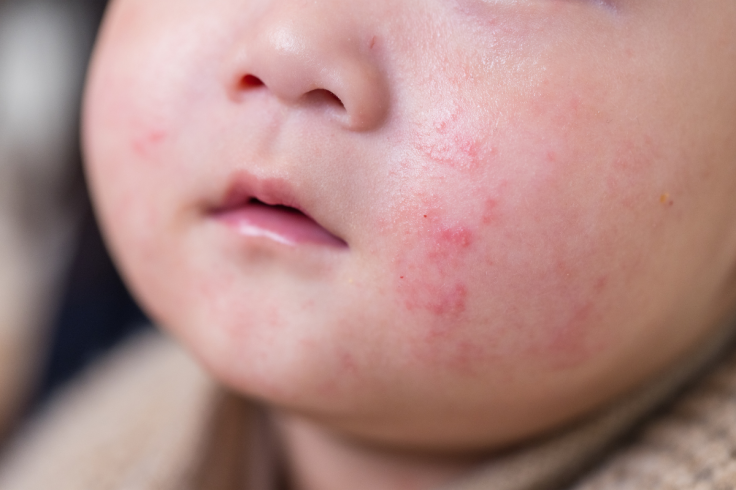
A rash on a child's skin can be alarming, particularly when it appears suddenly or spreads quickly. But childhood rashes are common and can have many causes, from everyday viral infections and eczema to allergic reactions and, more rarely, serious illnesses requiring urgent medical attention.
The appearance of a rash alone is not always enough to identify its cause. A child's age, other symptoms, how quickly the rash developed and whether they appear generally well or unwell can all provide important clues.
Why Do Children Develop Rashes?
A rash is a change in the appearance or texture of the skin rather than a diagnosis itself. In children, common causes include viral infections, eczema, heat rash, insect bites and allergic reactions.
Some viral illnesses produce characteristic rashes. For example, chickenpox typically causes itchy spots that develop into fluid-filled blisters and then scabs, while measles usually causes cold-like symptoms followed by a rash that starts on the face and spreads downwards.
Other rashes, including eczema, are not caused by an infection and are not contagious.
What Does a Viral Rash Look Like?
Viral rashes can vary considerably depending on the virus responsible. A child may develop a rash alongside fever, cough, a runny nose, sore throat, tiredness or other symptoms.
Chickenpox is one familiar example. Its spots can appear in different stages at the same time, some may be new red or pink spots, while others have already become blisters or scabs. The rash can occur anywhere on the body and may also appear inside the mouth.
Measles usually begins with symptoms resembling a cold, including a high temperature, cough, runny or blocked nose and red, watery eyes. The rash generally appears several days later, beginning on the face or behind the ears before spreading to the rest of the body.
Because some viral rashes can resemble other childhood skin conditions, parents should avoid trying to diagnose the cause from photographs alone.
How is Eczema Different?
Eczema, particularly atopic eczema, is a chronic inflammatory skin condition. Unlike many viral rashes, it tends to recur, with periods when symptoms flare and then improve.
Dr Helena Shin, paediatric dermatology chair at Hackensack University Medical Center, describes eczema as a "chronic inflammatory condition" and explains that it is associated with a genetic lack of the filaggrin protein, which plays an important role in maintaining the skin barrier.
According to Dr Shin, potential triggers can include soaps, detergents, certain fabrics, stress and diet. Symptoms can vary depending on a child's age and skin tone, but commonly include dry, itchy and scaly areas that may appear red or darker than the surrounding skin.
Eczema is not considered curable, but it can be managed. Dr Shin emphasises identifying individual triggers and maintaining the skin barrier to reduce discomfort and control flares.
NICE guidance similarly describes atopic eczema as an episodic condition involving flares and periods of remission. Emollients are considered the foundation of treatment and should generally be continued even when the eczema appears clear.
Importantly, not every suspected eczema trigger applies to every child. NICE notes that the role of factors such as stress, humidity and temperature in causing flares is not completely clear, while dietary exclusions should not be undertaken casually.
What Clues Can Help Parents Tell Them Apart?
Although there is no substitute for a medical assessment, several features can provide useful context.
- Fever and other illness symptoms. A rash accompanied by fever, cough, sore throat or a runny nose may point towards an infection.
- Itching and dryness. Persistent itch, dry skin and recurring patches are more characteristic of eczema.
- Blisters. Fluid-filled spots can occur with chickenpox and some other infections.
- Pattern and location: The distribution of a rash can provide clues, although it is not diagnostic by itself.
- How long it lasts. A recurring rash may suggest a chronic skin condition rather than a short-lived infection.
The child's overall condition is often more important than the rash itself.
When Could a Rash Be an Allergic Reaction?
An allergic reaction can cause hives, which are raised, itchy patches or welts that can appear suddenly and move around the body.
A mild rash may settle with appropriate advice from a pharmacist or GP. However, swelling of the lips, mouth, throat or tongue, difficulty breathing, wheezing, faintness or difficulty swallowing can indicate a severe allergic reaction.
These symptoms require immediate emergency treatment.
When Is a Childhood Rash More Serious?
Most childhood rashes are not dangerous, but certain warning signs should never be ignored.
One of the most important is a rash that does not fade when pressed with a clear glass. This can occur with meningococcal disease and other serious conditions. NHS guidance says parents should call 999 or go to A&E if a child has a non-fading rash alongside concerning symptoms or if they are seriously unwell.
Other emergency warning signs include:
- A stiff neck, severe headache, sensitivity to light or confusion.
- Difficulty breathing or very rapid breathing.
- A child who is unusually sleepy, difficult to wake, floppy or unresponsive.
- Pale, blue, grey or blotchy skin, lips or tongue.
- A seizure.
- A rash that resembles bruising or bleeding beneath the skin and does not fade when pressed.
A non-blanching rash is particularly important on brown or black skin, where colour changes can sometimes be harder to recognise. NHS guidance recommends checking areas such as the palms, soles, lips, tongue and inside the eyelids.
What Should Parents Do if They Are Unsure?
If a child has a new rash but otherwise seems well, parents can monitor them, keep them comfortable and seek advice from a GP, pharmacist or NHS service if they remain concerned.
Taking a photograph when the rash first appears can also help a healthcare professional understand how it has changed over time. Parents should note whether the child has a fever, itching, pain or other symptoms and whether they have recently been exposed to someone with an infectious illness.
Children with eczema may require a longer-term skincare routine, while infectious rashes may require advice about school or nursery attendance.
What Parents Should Remember About Childhood Rashes
A childhood rash can have many explanations, and its appearance is only one part of the clinical picture. Viral infections often produce rashes alongside other symptoms, while eczema tends to be a recurring, itchy and dry inflammatory skin condition.
Most rashes are not serious. However, a child who appears very unwell, has breathing difficulties, neurological symptoms or develops a rash that does not fade under pressure needs urgent medical assessment.
When in doubt, it is safer to seek professional advice rather than assume a rash is simply another childhood infection.
Frequently Asked Questions
- What are common causes of childhood rashes?Common causes include viral infections, eczema, heat rash, insect bites, and allergic reactions.
- How can parents differentiate between a viral rash and eczema?Viral rashes often accompany symptoms like fever and cough, while eczema is characterised by persistent itchiness and dry skin.
- When should parents seek emergency medical attention for a rash?Emergency attention is needed if the rash does not fade under pressure, or if the child has severe symptoms like difficulty breathing or a stiff neck.
- What should parents do if they are unsure about a rash?Monitor the child, keep them comfortable, and seek advice from a healthcare professional if concerned.