
Weight-Loss Drug Recall: FDA Warns Over Contaminated-Product Risk in Tirzepatide Vials
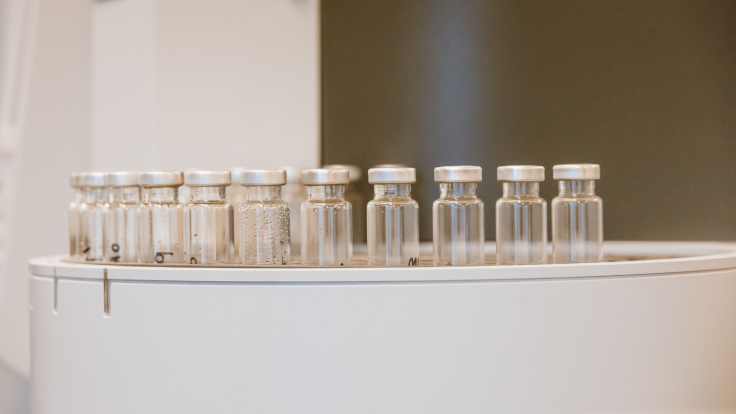
A US compounding pharmacy has recalled tirzepatide weight‑loss injections across the country after the Food and Drug Administration (FDA) warned it could not guarantee the sterility of the products, raising fresh safety questions around unapproved GLP‑1 drugs.
Apothecary Pharma LLC, based in North Carolina, began the voluntary recall on 24 September. It covers 22 lots of compounded tirzepatide and one lot of an NAD+ injection, according to FDA records.
The FDA classified the recall as Class II on 8 October. This category applies when exposure to or use of a product may cause temporary or medically reversible health consequences, or when the probability of serious adverse health consequences is remote.
The agency has not reported any illnesses or injuries linked to the lots, and it has not been possible to verify independently whether any have occurred.
The recalled products are compounded medicines made to order by a specialist pharmacy. They are not Eli Lilly's FDA‑approved Mounjaro or Zepbound, which also contain tirzepatide and are prescribed for type 2 diabetes and weight management.
Which Tirzepatide Vials Have Been Recalled?
The tirzepatide was supplied in 4 ml multidose vials at 18 mg/mL, under National Drug Code (NDC) 85091-001-18. The recall covers lot numbers AP-202622 to AP-202625 and AP-202627 to AP-202644, with beyond‑use dates between 7 October and 26 November 2026.
The NAD+ injection, at 200 mg/mL in a 6 ml multidose vial, carries NDC 85091-011-06. It is limited to lot AP-202647, with a beyond‑use date of 13 October 2026.
Anyone who may have received an affected product should check vial labels and pharmacy records, stop using recalled stock and contact their prescriber or pharmacist for advice, the FDA said. Symptoms such as fever, redness, swelling or worsening pain at the injection site warrant prompt medical attention.
Apothecary Pharma has notified recipients by letter, according to the FDA notice. Neither the company nor the agency has publicly given detailed reasons for the recall beyond the standard sterility wording.
Earlier FDA Warning on Apothecary Pharma's Sterile Practices
The recall follows an FDA warning letter to Apothecary Pharma dated 1 December 2025, issued after an inspection of its Cary, North Carolina, facility in May 2025. The letter cited serious deficiencies in the company's sterile drug production practices that put patients at risk. Investigators observed an operator placing gloved hands directly over open sterile containers, potentially obstructing the flow of sterile air.
The FDA has not said the earlier findings relate to the recalled lots. Regulators say that when sterility cannot be assured, they cannot vouch that an injectable is free of contamination, even if none has been proven.
Compounded GLP-1 Drugs Face Increased Scrutiny
Compounding pharmacies may prepare tailored versions of medicines when an approved drug cannot meet a patient's needs, or during official shortages. Unlike Mounjaro and Zepbound, compounded formulations are not reviewed by the FDA for safety, effectiveness or quality before they reach patients.
Tirzepatide and semaglutide were removed from the FDA's shortage list in late 2024 and early 2025, and compounders were expected to scale back production. The agency has since issued repeated warnings about unapproved GLP‑1 products.
Repeatedly puncturing a multidose vial can introduce contamination if proper injection-safety practices are not followed. US guidance generally recommends discarding opened multidose vials within 28 days unless the manufacturer specifies a different period.