
Nurse Killed, Health Worker Injured in Attack Amid Congo's Ebola Outbreak as Misinformation Fuels Fear
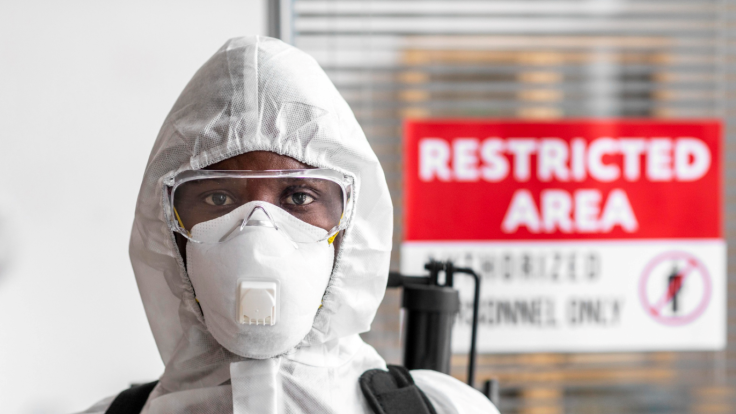
A nurse has been killed and another health worker severely injured in an attack while responding to an Ebola alert in the Democratic Republic of the Congo (DRC), highlighting how misinformation and public distrust are threatening efforts to contain the outbreak.
The attack occurred on Saturday, 24 October, in Bafwasende, a town in the eastern province of Tshopo, according to the World Health Organisation (WHO). The organisation's Director-General, Tedros Adhanom Ghebreyesus, condemned the violence in a post on X on Sunday.
'Everyone working to protect communities from this deadly disease must be able to work in dignity and safety. Healthcare must always be protected,' he said.
Yesterday, a nurse was killed and a health worker severely injured after they were attacked while responding to an #Ebola alert in the town of Bafwasende, Tshopo province, #DRC. Our deepest condolences go to the family, colleagues and friends of the lost nurse. We also wish a swift and full recovery to his injured colleague who remains hospitalized. Everyone working to protect communities from this deadly disease must be able to work in dignity and safety. Healthcare must always be protected.
— Tedros Adhanom Ghebreyesus (@DrTedros) October 25, 2026
Dr Mohamed Yakub Janabi, the WHO's regional director for Africa, also condemned the attack, writing on X: 'Misinformation and fear must never fuel violence.'
I am deeply saddened by the killing of a health worker in Bafwasende, Tshopo province, DRC. Another health worker was injured. Health is NOT a target. Those responding to the #Ebola outbreak must be protected. Misinformation and fear must never fuel violence. https://t.co/5Z5ZYcvedI
— Prof. Mohamed Janabi (@ProfJanabi) October 25, 2026
Local authorities had not publicly commented on the incident or identified suspects as of 26 October.
Congo's Deadliest Ebola Outbreak Faces Growing Resistance
The attack comes as the DRC battles its deadliest Ebola outbreak on record. The country's health ministry had reported nearly 10,000 confirmed cases and more than 4,800 deaths since the outbreak began in May, placing additional pressure on an already strained healthcare system.
However, efforts to control the disease have encountered resistance in some communities, where misinformation has led residents to question whether Ebola exists and distrust the authorities managing the response.
Last month, a Congolese politician was beaten to death in North Kivu after publicly defending the government's Ebola response and urging people to follow preventive measures, including handwashing and social distancing.
Earlier in the outbreak, residents also set fire to two tents at health centres in separate incidents within a week. Response workers have reported further threats against medical teams and personnel responsible for safe burials.
These incidents illustrate how hostility towards disease-control measures can escalate into violence, preventing healthcare workers from reaching the people who need their assistance.
How Misinformation Threatens Ebola Containment
Ebola is a severe viral disease that can cause fever, fatigue, muscle pain, vomiting and diarrhoea. It spreads through direct contact with the blood or other bodily fluids of infected people, or with contaminated materials. Contact with the bodies of people who have died from the disease can also transmit the virus.
Containing an outbreak therefore depends on identifying suspected infections quickly, tracing contacts, providing appropriate medical care, and implementing infection-prevention measures.
When residents distrust health authorities or believe false claims about the disease, they may delay seeking treatment, refuse to cooperate with contact tracing or resist measures intended to prevent transmission.
Such delays can make it harder to identify infections and interrupt transmission chains. Violence can compound the problem by disrupting surveillance, discouraging staff from entering affected areas, and limiting access to essential healthcare.
The challenges are particularly acute in remote communities already experiencing shortages of medical supplies and trained healthcare personnel.
Protecting Health Workers Is Critical to the Response
The latest attack underscores the need to address misinformation alongside the medical and logistical challenges of the outbreak.
Clear communication, community engagement, and reliable information can help address residents' concerns and counter false claims. Working with trusted local representatives may also improve cooperation with disease-control measures.
At the same time, authorities must investigate attacks and ensure that medical personnel can perform their duties safely.
The WHO's condemnation reinforces the importance of protecting healthcare workers during public health emergencies. With thousands of reported deaths already recorded in the DRC, further disruptions could make an already difficult outbreak harder to contain.
Ensuring that frontline workers can reach affected communities, identify infections, and provide appropriate care remains essential to limiting further transmission.