Mounjaro or Ozempic? What You Should Know Before Choosing

Mounjaro and Ozempic have become two of the most talked-about prescription medications in recent years, particularly because of their effects on weight loss and blood sugar control.
Both drugs belong to a class of medications known as incretin-based therapies and are used alongside lifestyle changes to help manage certain health conditions. However, despite often being mentioned together, they are not the same medication.
The main difference comes down to how they work in the body: Ozempic targets one hormone pathway, while Mounjaro targets two.
Understanding these differences can help explain why doctors may recommend one treatment over another.
What Is Ozempic?
Ozempic contains the active ingredient semaglutide, which belongs to a group of medicines called glucagon-like peptide-1 (GLP-1) receptor agonists.
It is primarily prescribed to help adults with type 2 diabetes manage blood glucose levels. It works by mimicking GLP-1, a hormone naturally produced in the body that helps regulate blood sugar, slow digestion, and control appetite.
By activating GLP-1 receptors, Ozempic can:
- Increase insulin production when blood sugar levels are high
- Reduce glucose production by the liver
- Slow the movement of food through the stomach
- Increase feelings of fullness after eating
These effects can help improve blood sugar control and may also contribute to weight loss.
What Is Mounjaro?
Mounjaro contains tirzepatide, which works slightly differently from Ozempic.
Rather than targeting only the GLP-1 pathway, Mounjaro activates both:
- GLP-1 receptors
- GIP (glucose-dependent insulinotropic polypeptide) receptors
GIP is another hormone involved in regulating blood sugar and appetite.
Dr Kyle Hoedebecke, Clinical Advisor at Alpas Wellness NOVA, explains that the two medications represent different approaches.
'While semaglutide is a single GLP-1 receptor agonist, tirzepatide is a dual-action medication that affects both GLP-1 and GIP receptors that affect appetite and satiety,' he says.
By influencing both pathways, Mounjaro may provide stronger effects on blood glucose control and weight reduction for some patients.
Mounjaro vs Ozempic For Weight Loss

Weight loss has become one of the main reasons these medications attract attention, although their approved uses differ depending on the country and specific formulation.
Both medications can support weight loss by:
- Reducing appetite
- Increasing feelings of fullness
- Helping people consume fewer calories
- Improving metabolic health
However, research suggests tirzepatide may produce greater average weight loss compared with semaglutide in some clinical trials.
Dr Hoedebecke says that while studies show promising results for Mounjaro, individual responses can vary.
'Clinical trials suggest tirzepatide provides a mean weight loss that is superior to semaglutide; however, each patient's response to either of these treatments can vary greatly,' he explains.
Factors such as genetics, lifestyle, medical history, tolerance of side effects, and adherence to treatment can all influence results.
Which Is Better For Diabetes?
Both medications can improve blood sugar control, but the best choice depends on the individual.
For some people, the primary goal may be achieving better diabetes management. For others, reducing complications linked to obesity, such as fatty liver disease or sleep apnoea, may be the priority.
'As family medicine physicians, we make our treatment decisions based on the individual needs of our patients, not by what we read in the news or see on social media,' Dr Hoedebecke says.
A doctor may consider factors including:
- Current blood sugar levels
- Weight management goals
- Existing medical conditions
- Other medications being taken
- Previous treatment responses
There is no universally 'best' option for everyone.
How Are Mounjaro And Ozempic Taken?
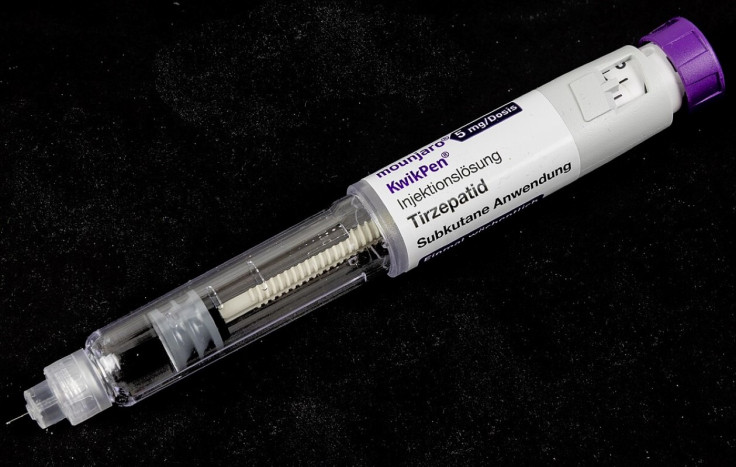
Both medications are generally administered as a once-weekly injection.
Treatment typically begins at a lower dose, which is gradually increased over time. This approach helps the body adjust and may reduce the likelihood of side effects.
Patients should only use these medications under medical supervision, as incorrect use or rapid dose increases can increase the risk of unwanted effects.
What Are The Side Effects?
Because Mounjaro and Ozempic affect digestion and appetite, many side effects involve the gastrointestinal system.
Common side effects may include:
- Nausea
- Diarrhoea
- Vomiting
- Constipation
- Stomach discomfort
- Reduced appetite
Dr Hoedebecke says gastrointestinal symptoms are among the most frequently reported issues.
'The most common side effect reported in clinical studies was gastrointestinal distress, particularly nausea and diarrhoea,' he says.
Some people stop treatment because symptoms become difficult to manage, particularly if doses are increased too quickly.
Doctors may also consider medical history before prescribing these medications. Patients should discuss conditions such as gallbladder disease, previous pancreatitis, pregnancy plans, and other medications with their healthcare provider.
Are Mounjaro And Ozempic A Quick Fix For Weight Loss?
Despite their popularity online, experts warn against viewing these medications as a shortcut.
While they can produce significant improvements in blood sugar control and weight management, they are most effective when combined with broader lifestyle changes.
Dr Hoedebecke says patients often misunderstand what these medications can achieve alone.
'The greatest misconception among patients is that they can ask their clinician for one of these medications and receive substantial benefit from them without making significant lifestyle modifications,' he explains.
Research suggests the best outcomes are achieved when medication is combined with:
- Regular physical activity
- Balanced nutrition
- Adequate sleep
- Ongoing medical support
These medications are designed to support long-term management of chronic conditions rather than replace healthy habits.
Do You Need To Stay On Mounjaro Or Ozempic Long Term?
Because type 2 diabetes and obesity are chronic health conditions, many people may require ongoing treatment.
Stopping medication without medical guidance may lead to changes in appetite, blood sugar levels, or weight.
'Both of these classes of medications are used to treat chronic diseases,' Dr Hoedebecke says. 'Therefore, even though they can lead to beneficial changes in metabolism, many patients will continue to need long-term treatment to maintain those benefits.'
The decision to continue, adjust, or stop treatment should always be made with a healthcare professional.
The Bottom Line
Mounjaro and Ozempic share similarities but are not identical medications.
Ozempic uses semaglutide to target the GLP-1 hormone pathway, while Mounjaro uses tirzepatide to target both GLP-1 and GIP pathways. This difference may explain why some studies show greater average weight loss with Mounjaro.
However, the right choice depends on the individual's health needs, treatment goals, medical history, and response to the medication.
For people considering either option, a conversation with a qualified healthcare professional is essential. These medications can be powerful tools, but they work best as part of a wider approach to improving long-term health.