
NHS Issues Urgent Blood Appeal as O-Negative Stocks Fall to Just Two Days' Supply
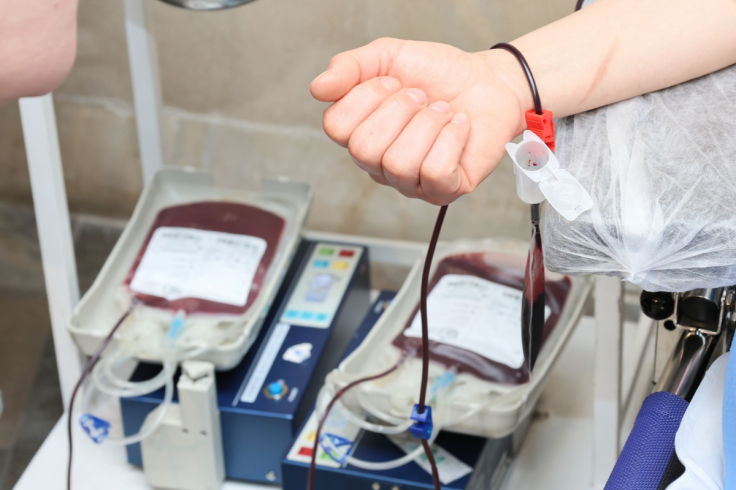
NHS Blood and Transplant (NHSBT) is urging people across the UK to book blood donation appointments, warning that O-negative stocks have fallen to two to three days' supply as winter demand rises. The service is seeking to fill 150,000 appointments before the end of the year.
O-negative stocks are below NHSBT's six-day target. Stocks of some other blood groups are also at around half the levels the service aims to hold, NHSBT says.
The appeal focuses on O-negative, B-negative, O-positive and Ro blood. In England, NHSBT says it needs an additional 10,000 O-negative donors, 2,400 B-negative donors and 16,000 O-positive donors. It is asking both new and existing donors to book appointments.
O-negative blood can be used in emergencies when a patient's blood type is not known. Ro is a subtype more commonly found among donors of Black heritage. When Ro supplies are low, O-negative or B-negative blood may be used instead.
Amber Alert for O Blood Types
The Scottish National Blood Transfusion Service has issued its first amber alert for O blood types. It said supplies had fallen to 'unprecedented low levels' because of fewer donors and increased use in recent months.
Hospitals across the UK need about 5,000 donations each day to treat patients, including those injured in accidents, women giving birth and people with conditions such as cancer and sickle cell disease.
Around two-thirds of donated blood is used to treat people with long-term conditions, many of whom rely on regular transfusions. Blood can be stored for up to 35 days, while platelets last for seven days.
Why Winter Leaves Blood Stocks More Vulnerable
People with colds, coughs or other respiratory illnesses cannot donate while they are unwell. This can reduce the number of available donors during a period when patients with long-term conditions may need more blood or platelet transfusions.
People with sickle cell disease can require regular transfusions, and closely matched blood can be important to their treatment. NHSBT is therefore also appealing to donors of Black heritage, whose donations can help provide suitable blood for these patients.
'Right now, as we move into winter, there is an urgent need to boost our life-saving blood, platelet and plasma supplies,' said Gerry Gogarty, director of blood and plasma supply at NHSBT.
The appeal also covers plasma, which is used to make medicines for people with serious immune conditions. NHSBT says those conditions can become harder to manage during winter. Plasma can be collected directly or as part of a whole-blood donation.
How Donors Can Find an Appointment
A donation appointment takes about an hour, and NHSBT says each donation can help save up to three lives. The service advises anyone unable to find a suitable appointment to check again for cancellations and last-minute availability.
Larger donor centres in towns and cities may have more appointments, particularly for first-time donors and people with common blood groups. NHSBT is also asking employers to allow staff time to donate during the working day or a break.
Research by NHSBT found that 43 per cent of donors would be more likely to give blood if their employer offered time off. Among people aged 25 to 44, the figure was 65 per cent.
People can register and book through blood.co.uk, the GiveBloodNHS app or by calling 0300 123 23 23.