
Mom With Lung Cancer Prepared Goodbye Cards, Then a Targeted Drug Gave Her More Time With Her Sons
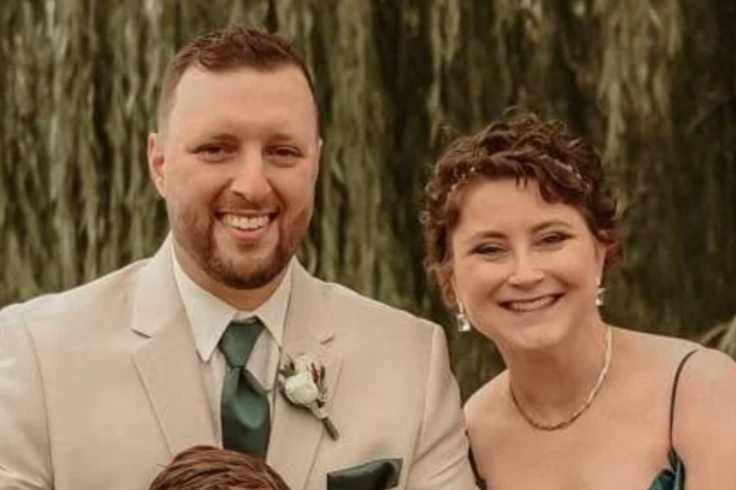
Tyger Adoure-Zehaim, a 35-year-old mother from Ohio who prepared goodbye cards for her sons after a stage 4 lung cancer diagnosis, has returned to work after scans showed her brain tumours were no longer visible on imaging and other tumours had shrunk following treatment. In an interview published by People on 10 November, Adoure-Zehaim said she had asked a friend to buy birthday, graduation and wedding cards for her sons, Ezra and Luca, after being diagnosed at 33 in November 2024.
At the time, her boys were aged six and three, and she feared she would die before seeing them grow up. She kept the cards on a shelf in her cupboard and now takes them out one at a time, while her oncologist describes her condition as stable rather than cured.
Back Pain Led to an Advanced Lung Cancer Diagnosis
Her symptoms began in autumn 2024 with recurring back pain, which she linked to lifting her children and young patients at work as a paediatric nurse. A cough also developed, but she initially suspected allergies or an ordinary infection.
When physiotherapy failed, an MRI revealed two fractured vertebrae caused by cancer that had spread. Two days later, she coughed up blood, and a chest X-ray showed large tumours in her lungs. Further scans found cancer in her brain, jaw, neck, spine, pelvis and legs, and she also had a lump in her breast.
Adoure-Zehaim had never smoked, and the diagnosis came decades earlier than is typical, as the American Cancer Society puts the average age at diagnosis at roughly 70.
Genetic Testing Identified a Rare Form of Lung Cancer
Her oncologist, Dr Richard Phinney of Toledo Clinic Cancer Center, ordered blood-based biomarker testing while she began chemotherapy in November and radiotherapy the following month. The results, returned in January 2025, identified ROS1-positive non-small cell lung cancer.
According to the American Lung Association, ROS1 changes occur in approximately 1% to 2% of lung cancer patients and are more common in younger people with little or no smoking history.
Biomarker testing can identify patients whose tumours may respond to medicines designed to interrupt specific cancer-growth pathways. Adoure-Zehaim subsequently began taking taletrectinib, marketed as Ibtrozi, which the US Food and Drug Administration (FDA) approved in June 2025 for adults with advanced ROS1-positive lung cancer.
The medicine is taken orally, with treatment continuing until the disease progresses or side effects become unacceptable. In two clinical trials, tumour response rates were 90% and 87% among patients who had not previously received a ROS1 inhibitor, according to updated prescribing information published in September 2026.
Those results do not establish how long an individual patient will survive. In Adoure-Zehaim's case, subsequent scans showed her brain tumours were no longer visible, and other tumours had shrunk.
Mother of Two Returns To Work Despite Remaining Cancer
Cancer remains in her left lung, legs and bones, and she may require treatment indefinitely. Phinney said that after intensive treatment early in her illness, her condition had stabilised. He expects the targeted treatment to give Adoure-Zehaim more years with her children, although the disease has not been eliminated.
The nurse has resumed full-time work caring for children with cystic fibrosis. She and her husband, Housam 'Sam' Adoure-Zehaim, have taken their sons, now eight and five, to Disneyland in California and Disney World in Florida, and visited New York for Luca's fifth birthday.
Adoure-Zehaim said her family had grown even closer as her husband assumed more childcare responsibilities during her treatment.