
Nurse Says Colleague Made Stabbed MAGA Patient Wait 2 Hours for Fentanyl Because of His Red Hat
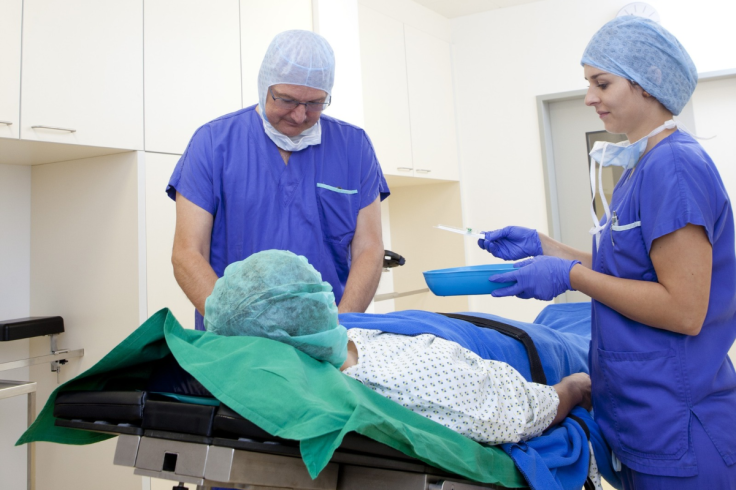
An emergency room nurse who posts on X as @shiestynurse says a co-worker made a stabbed trauma patient wait about two hours for pain medicine. He alleges she said the patient 'can wait for his pain meds with his MAGA hat on'.
The masked, self-described travelling trauma nurse posted a roughly seven-minute video on 24 October 2026. It had drawn more than 860,000 views by 26 October. The nurse's account identifies Dilaudid as the initial medication ordered and says an attending physician later ordered 100 micrograms of fentanyl. However, it does not establish whether or when either medication was administered. The video does not specify the colour of the patient's hat.
Injuries and Alleged Delay
He says the patient had been stabbed and beaten with a bat, leaving compound fractures in both legs. He adds that he offered to take over the patient's care.
He adds that he then wrote a statement, went to management and planned to report the nurse to the state board. In the original video, the nurse said they had reported the incident to management and intended to contact the state nursing board to seek the colleague's suspension.
Research on Trauma and Pain
The authors of an observational study of 74 trauma patients in Ethiopia noted that trauma and pain are strongly correlated. They cited evidence linking pain with higher rates of depression, post-traumatic stress disorder and mortality.
None of the patients had their pain level scored. Analgesia arrived an average of 55.4 minutes after presentation, so a two-hour wait would be more than double that, though the settings and patients differ.
Severe subjective pain was recorded for 79.7 per cent of patients, and satisfactory pain reduction followed analgesia in 28.8 per cent of those with severe pain. Forty per cent of patients discharged home received no analgesia after the first dose.
A separate retrospective study of 718 patients receiving out-of-hospital emergency care found that morphine and fentanyl provided similar pain relief. Pain scores fell 3.1 points with fentanyl and 2.9 with morphine, and adverse events were low and easily controlled.
What Fentanyl Requires
Mayo Clinic says fentanyl injection relieves severe pain during and after surgery. The drug is given in a hospital by a doctor or other trained health professional, as a shot into a muscle or vein.
Breathing or lung problems, heart disease and low blood pressure call for caution, and risks must be weighed against benefits. Doctors should check patients closely during treatment.
Difficult or troubled breathing is among the more common side effects. Signs of overdose include shallow breathing, pale or blue lips and loss of consciousness.
Rules Governing Emergency Care
The Centers for Medicare & Medicaid Services says the 1986 Emergency Medical Treatment and Labor Act requires Medicare-participating hospitals to provide an appropriate medical screening examination and stabilising treatment for patients with emergency medical conditions, regardless of their ability to pay.
The American Nurses Association's Code of Ethics for Nurses says nursing requires compassion for all humans as deserving of dignity and respect. It describes alleviation of pain and suffering as part of the care nurses provide.
Health is described as a universal right, and a person's worth is not affected by life choices or circumstances. Nurses are also told to identify and mitigate bias or prejudice that interferes with or harms the nurse-patient relationship.
What Remains Unverified
Nothing in the information available confirms the account. The nurse does not name the hospital or city, and no hospital statement or report from a nursing board, police or major news outlet has verified it.
The accused nurse has not been heard from and is not named here. Claims that she was fired and her licence suspended rest solely on his later replies. Nor is it clear whether the emergency-care law covers pain-relief timing.
Some viewers questioned why the patient waited two hours before he stepped in. His video also uses harsh political language, and the information available does not say how the patient fared afterwards.