
Doctor Warns Women Now Account for 40 Per Cent of Hair Loss Clinic Visits Following Weight Loss Drug Use
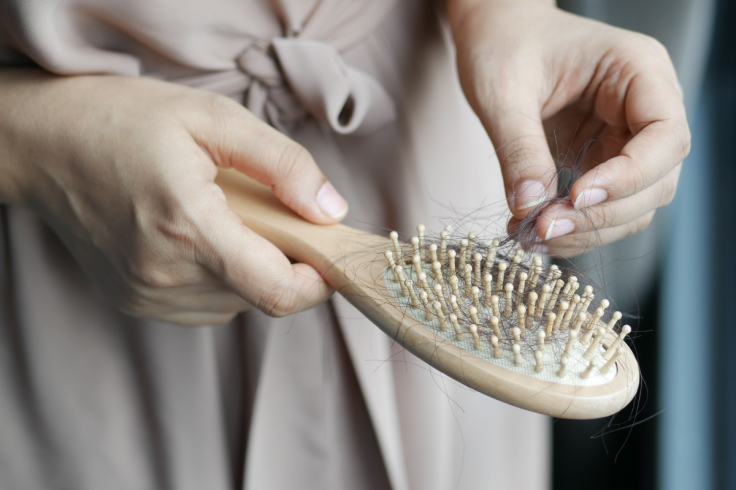
Women now account for 40 per cent of hair loss clinic visits, driven by surging weight loss drug use and crash dieting, doctors have warned. Dermatologists report a sharp rise in young women in their twenties seeking clinical care for sudden hair thinning.
Specialists link the surge to rapid weight loss triggered by popular anti-obesity injections, a side effect dubbed 'Ozempic hair'. Professor Park Byung-chul, a dermatologist at Dankook University Hospital, highlighted this demographic shift.
'If women accounted for only 20% of hair-loss patients seen in outpatient clinics 10 years ago, they now account for about 40%,' Professor Park said via Chosun. He explained that sudden slimming places severe biological pressure on the human body.
Rapid Weight Loss Triggers Resting Phase in Hair Follicles
Hair grows through three continuous phases: growth, transition, and resting. Normally, about 90 per cent of scalp hair remains in the active growth phase.
When a person loses weight rapidly, the body perceives the drop as severe stress. In response, the system shifts hair follicles prematurely into the resting phase, known medically as telogen effluvium.
Dr Kathy Zhou, a physician at the Cleveland Clinic, explained that shedding stems from physical shock rather than the drug itself.
'Weight loss in particular can be a stress actually on the body,' Dr Zhou said. 'The body perceives it as stress because we were kind of more made for abundance and plenty.'
She added: 'The body's going to protect your heart, your kidneys, your liver before it's going to give you a nice head of hair.'
Nutritional Deficiencies and Delayed Shedding Alarm Patients
Specialists warn that inadequate nutrition accelerates hair loss during medical slimming regimens. Patients often drastically reduce their food intake, missing vital macronutrients like protein and iron. Without adequate protein, the scalp lacks the basic cellular building blocks required to sustain follicle growth.
The resulting shedding typically begins two to three months after weight loss starts. This delay often surprises patients, as excessive shedding appears long after dieting began. Instead of losing the normal 50 to 100 hairs daily, patients with telogen effluvium can lose up to 300 strands.
Dr Zhou noted that about a third of clinic patients voluntarily report noticeable hair shedding. 'It is a real concern and consideration that we see in the clinic,' Dr Zhou said. 'I certainly have had a fair share of individuals come back complaining that all of a sudden, they're losing hair.'
Dermatologists Outline Recovery Timelines and Medical Treatments
Unlike male pattern baldness, female hair loss typically presents as an empty crown or widening parting line. Telogen effluvium is usually temporary. Shedding often lasts three to six months, after which new hair begins to grow. However, it may take several more months for hair to regain its previous volume and thickness.
Professor Park advised women to seek clinical evaluation if daily hair loss exceeds 100 strands. Blood tests can also identify underlying iron or mineral deficiencies. 'Textbooks state that recovery occurs about six months after the stress has been relieved,' Professor Park noted.
For persistent thinning, doctors recommend proven treatments such as topical minoxidil to widen blood vessels and improve scalp circulation. Specialists urge patients to avoid crash dieting and maintain steady weight loss, proper hydration, and nutrient-dense foods to protect their hair.