
Woman Who Survived Four Different Cancers Reveals the Warning Signs She Never Ignored
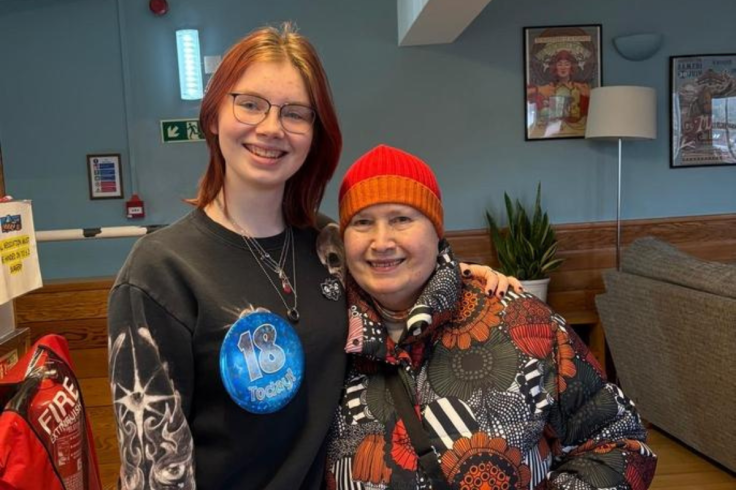
Susan Gasson has faced four cancer diagnoses over four decades, with each one preceded by a symptom or physical change. The 75-year-old from Greenwich, south-east London, is now taking a daily tablet in a clinical trial for lung cancer.
She has been diagnosed and treated for breast, cervical, thyroid and lung cancer. Her latest tumour has shrunk, and she reports minimal side effects, allowing her to maintain a better quality of life.
Lumps and Early Action
In the early 1980s, while in her early 30s, Gasson found a pea-sized lump in her right breast. Her GP referred her to the Royal Marsden NHS Foundation Trust, where doctors diagnosed breast cancer and performed a lumpectomy.
She needed no further treatment after the operation. Gasson later recalled being told the tumour was 'a bit like porridge, lots of very tiny lumps'.
A few years later, heavy periods and anaemia led doctors to investigate fibroids, non-cancerous growths in or around the womb. A hysterectomy at Watford General Hospital in the mid-1980s revealed pre-cancerous cells.
Gasson has described this episode as cervical cancer, and the Royal Marsden and Institute of Cancer Research report that she was previously diagnosed and treated for cervical cancer.
In 1996, Gasson found a lump on her neck that she described as 'like a small egg'. Doctors initially thought it was linked to the carotid artery, but she was diagnosed with thyroid cancer and had her thyroid removed.
Because cancer affected both her parents and grandparents, Gasson underwent genetic testing. Doctors checked for Cowden syndrome, a rare inherited condition associated with a higher risk of several cancers, but it was ruled out.
A Cough That Lingered
In 2020, Gasson developed a cough that would not go away. She thought it was a tickle in her throat, but an X-ray found a mass and doctors diagnosed lung cancer.
Surgeons removed a large part of her lung and a section of her windpipe. She then had chemotherapy and radiotherapy, which she described as more painful and debilitating than her earlier surgeries.
The cancer later returned, and a robotic biopsy found a HER2 mutation. The alteration made Gasson eligible for a trial of the targeted drug zongertinib.
Gasson joined Beamion LUNG-1, a study of zongertinib in people with HER2-mutant non-small-cell lung cancer. She began treatment after her cancer returned, so the published first-line results do not describe her treatment setting.
In the published first-line analysis, 76 per cent of 74 previously untreated patients had an objective response. The median duration of response was 15.2 months, while longer-term outcomes continued to be assessed.
The US Food and Drug Administration granted zongertinib accelerated approval in February 2026 for adults with unresectable or metastatic non-squamous non-small-cell lung cancer with certain HER2 mutations.
Signs Worth Checking
Cancer Research UK says unusual changes should be checked, including persistent lumps, unexplained weight loss, ongoing fatigue, unexplained pain and a cough that does not go away. Most such symptoms have causes other than cancer.
The charity advises people to speak to a GP about symptoms that continue, return or worsen. Spotting cancer early can make treatment more likely to be successful, although symptoms alone cannot establish a diagnosis.
Gasson now has a CT scan every six weeks and says her tumour has shrunk with minimal side effects. Her experience highlights why persistent or unusual changes should be assessed rather than assumed to be harmless.