
'Infertile' Nurse Pregnant With Third Baby in Two Years After Turning to Ozempic for Fertility
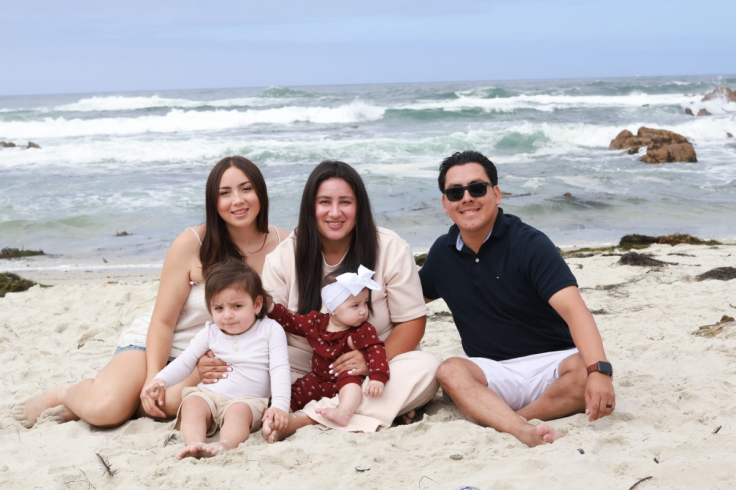
Doctors told her she could not have another child. Two years, two babies and another one on the way, nurse Areli Ruiz says Ozempic proved them wrong. The 35-year-old, from Merced, California, credits the weight-loss jab with what she calls her 'miracle babies' — and she is not finished yet.
Ruiz, who already had a 17-year-old daughter, tried for five years to expand her family with husband Jose, 34, before doctors diagnosed secondary infertility in October 2022. Tests at Stanford University Hospital evaluated her reproductive hormones.
As a nurse, Ruiz suspected inflammation was behind her struggles, so she began taking Ozempic in early 2023 to see if it would help her conceive. She said the drug also left her feeling less hungry and less stressed.
She ordered the medication from an online pharmacy after two failed infertility treatment cycles left her devastated. 'A little bit of weight loss wouldn't hurt either,' she said.
Inflammation and Ovulation
According to the Cleveland Clinic, GLP-1 medications can support fertility by reducing inflammation, regulating testosterone and encouraging ovulation. Specialists say some effects may extend beyond weight loss, including changes that could influence reproductive function.
Sharrón Manuel, an OB-GYN and reproductive endocrinology specialist at HRC Fertility, said excess weight disrupts the hypothalamic-pituitary-ovarian axis and insulin sensitivity. She said GLP-1 drugs can help reverse those abnormalities.
Jenna McCarthy, a reproductive endocrinologist and infertility specialist at IVFMD, said losing weight sends the brain a signal that pregnancy is safer. She noted women with polycystic ovary syndrome often see the greatest benefit.
Around 7 to 10 per cent of women of reproductive age in the US have PCOS, a hormonal condition linked to insulin resistance, according to UT Southwestern. Some research also suggests GLP-1 drugs may improve fertility in men with obesity by boosting semen quality.
Ruiz became pregnant several months after starting the medication and gave birth to a daughter in April 2024. She stopped taking Ozempic during pregnancy, since it is not considered safe for use while expecting.
Shortly after the birth, Ruiz resumed the injections, and six months later she was pregnant again, later giving birth to a son in December 2025. At her six-week post-partum check-up, she asked to restart the drug once more.
She became pregnant eight weeks post-partum, sooner than she expected. Her third 'GLP baby' is due in October 2026, and she has already ordered more Ozempic for after the birth.
Doctors Urge Caution
Despite the surprise pregnancies, specialists caution that safety data on GLP-1 drugs during pregnancy remains limited. Animal studies have linked the medications to lower birth weights and skeletal abnormalities in offspring.
A 2023 study of 50,000 pregnant women with Type 2 diabetes found no significant rise in major birth defects among more than 900 taking GLP-1 drugs when they learned they were pregnant, though experts say wider research is still needed.
The Food and Drug Administration recommends stopping the medication about two months before trying to conceive, since it can remain in the body for weeks. Experts also advise stopping use immediately if pregnancy occurs unexpectedly.
Manuel also said GLP-1 drugs can affect how the body absorbs oral contraceptives, particularly tirzepatide, according to labelling for Mounjaro and Zepbound. Patients are told to use a barrier method for four weeks after starting or raising a dose.
Ruiz said she is aware of online criticism about having children so close together, but she does not regret her choice. 'My kids are my GLP miracle babies, and I will have more if I can,' she said.