
Toxicologist Warns Air Inside Your Home Can Be 5 Times Worse Than Outside, 3 Habits to Blame
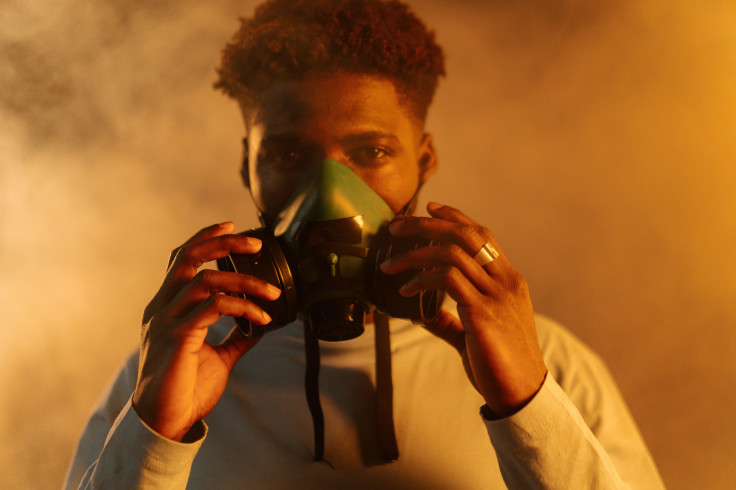
Indoor air can contain pollutant concentrations up to five times higher than outdoor air, toxicologist Dr Yvonne Burkart has warned, blaming poor ventilation and a handful of everyday habits. She told The Diary of a CEO that the finding 'shocks a lot of people' because many households do not vent rooms properly.
The US Environmental Protection Agency has for years reported that concentrations of some pollutants indoors are often two to five times higher than typical outdoor levels, while people spend about 90 per cent of their time inside.
Cooking Without Extraction Worsens Indoor Air Quality
Cooking can release pollutants including nitrogen dioxide, carbon monoxide and formaldehyde, especially when using gas and propane hobs.
A Stanford-led study published in PNAS Nexus found that gas and propane stoves account for about a quarter of total residential nitrogen dioxide exposure for households that use them, and more than half for the heaviest users.
Purdue University researchers measuring nanocluster aerosol in a test house reported that cooking on a gas stove can expose people to 10 to 100 times more of those tiny particles than standing beside car exhaust on a busy street.
England's National Institute for Health and Care Excellence already advises extra ventilation when using cookers, particularly gas ones.
Kitchen extractor fans vented outdoors, or a window opened during and after cooking, dilute the plume before it reaches bedrooms. That is hardly a surprise to anyone who has stood over a frying pan with the fan off.
Scented Candles and Fragranced Sprays Load the Room
Lighting candles can release particulate matter, while air fresheners and household sprays can emit volatile organic compounds and other pollutants.
NICE lists candles, cleaning products, household sprays and aerosols among activities that can worsen indoor air unless ventilation is increased. Purdue work on scented wax melts and candles has shown that fragrance products generate large numbers of nanoscale particles even without a visible flame.
Burkart has separately urged people who still want a candle to choose cleaner waxes and to open a window.
Although WHO's household-air-pollution estimates are driven largely by the use of polluting fuels in lower-income settings, indoor pollutants can also accumulate in homes where ventilation is inadequate.
Human biologist Gary Brecka put the same pattern more bluntly on X: 'Your indoor air is likely 2 to 5 times more polluted than outdoor air. The main culprits: Synthetic fragrance candles and air fresheners... Open windows for 10 minutes daily.'
Your indoor air is likely 2 to 5 times more polluted than outdoor air.
— Gary Brecka (@thegarybrecka) September 4, 2026
The main culprits:
- Synthetic fragrance candles and air fresheners
- Off-gassing from furniture and carpet
- Conventional cleaning sprays
- Paint and adhesives on walls
Easy fixes:
- Open windows for 10…
Closed Windows and Outdoor Shoes Trap What You Track In
Inadequate ventilation lets indoor sources accumulate because there is too little outdoor air to dilute them and too little exhaust to carry them away.
Burkart also recommends leaving outdoor shoes at the door so soil, metals and other residues stay outside. NICE guidance in England tells people to use extractor fans and open windows where it is safe when cooking, lighting candles or using sprays.
Energy-efficient construction that limits leaks can make the problem worse unless mechanical ventilation is working.
Opening a window for ten minutes, running the cooker hood and keeping outdoor footwear in the porch will not empty the air of every chemical. They do, however, cut the peaks that make indoor air quality worse than the street on an ordinary weekday.
Frequently Asked Questions
- Why is indoor air quality often worse than outdoor air?Indoor air can contain higher concentrations of pollutants due to poor ventilation and everyday activities like cooking and using scented products.
- How can cooking affect indoor air quality?Cooking, especially on gas stoves, releases combustion gases and particles that can significantly increase indoor air pollution.
- What are some common sources of indoor air pollution?Common sources include cooking emissions, scented candles, air fresheners, and inadequate ventilation.
- What steps can I take to improve indoor air quality?Improve ventilation by opening windows, use extractor fans, choose cleaner products, and avoid bringing outdoor pollutants inside.