
Woman, 20, Begged Doctors to Cut Off Her Leg After Years of Feeling 'Stabbed, Burned and Electrocuted'
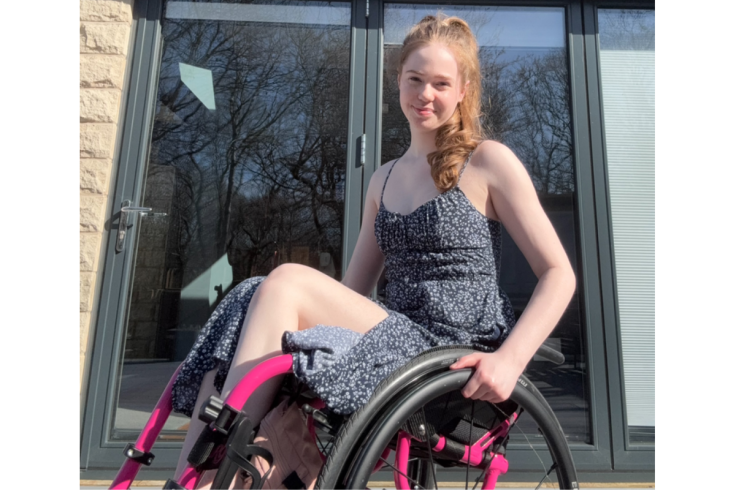
A 20-year-old woman has revealed how years of debilitating nerve pain left her begging doctors to amputate her leg after she felt as though her foot was constantly being 'stabbed, burned and electrocuted'.
Jess Burkinshaw, from Leeds, West Yorkshire, was diagnosed with complex regional pain syndrome (CRPS) at 15 after living with juvenile idiopathic arthritis since infancy.
The rare condition can cause severe and persistent pain, usually affecting one limb. Even light touch or changes in temperature can trigger intense pain in some people. Other symptoms can include swelling, stiffness and changes in the colour or temperature of the affected limb.
Jess told The Sun that her pain never dropped below seven out of 10 on a typical day.
'It felt like my whole foot was bruised and it was continuously being stabbed, burned and electrocuted,' she said.
How Did CRPS Affect Her Life?
The condition had a major impact on Jess's education and ability to socialise.
She said she had been unable to wear a sock or shoe because of the sensitivity in her foot and was unable to leave home for eight months at the lowest point of her illness.
She also sat her GCSE examinations at home and missed more than half of her final year of school because of the pain.
CRPS can also have a psychological impact. The NHS says people living with the condition may experience anxiety and depression, while severe pain can sometimes be accompanied by suicidal thoughts.
The condition is sometimes described in media reports as the 'suicide disease', although that nickname has also been associated with trigeminal neuralgia, a separate neurological condition involving severe facial pain.
Why Did She Choose Amputation?
Jess spent years trying to regain control of her life and underwent treatments including ankle fusion and a trial of spinal cord stimulation.
According to The Sun, she consulted three surgeons over more than two years about amputation. Two supported the procedure, while another was more cautious, partly because of her young age and the nature of CRPS.
She eventually underwent an operation to amputate her right leg in April 2026.
Jess knew there was no guarantee that removing the limb would eliminate her pain. However, she decided the potential improvement in her quality of life outweighed the possibility that her pain could continue.
She said her quality of life has since improved, with less pain, better sleep and greater independence.
What Is the Usual Treatment for CRPS?
Amputation is not a standard treatment for CRPS. The NHS says there is currently no cure, but symptoms can be managed through a combination of physical rehabilitation, pain relief, self-management and psychological support.
Around 85% of people with CRPS are estimated to experience a reduction in pain and some symptoms during the first two years, although some continue to experience persistent pain.
Treatment can include physiotherapy, desensitisation exercises, medication and, in selected cases, spinal cord stimulation. The NHS says spinal cord stimulation may be considered when pain persists despite other treatments and a trial has been successful.
Jess is now undergoing physiotherapy and preparing to use a prosthetic. She says she began experiencing significant relief around two months after her amputation and now uses social media to raise awareness about disability and life with chronic pain.