
Feeling Short of Breath or Noticing Leg Swelling? 10 Blood Clot Symptoms You Shouldn't Ignore

A blood clot can be life-saving when it stops bleeding after an injury. But when a clot forms inside a vein or artery where it should not, it can become dangerous.
One of the most serious types is deep vein thrombosis (DVT), a clot that usually develops in the deep veins of the leg. If part of the clot breaks away and travels to the lungs, it can cause a pulmonary embolism (PE), which can be fatal if not treated quickly.
According to Buckinghamshire Healthcare NHS Trust, DVT and PE together are known as venous thromboembolism (VTE) and affect thousands of people each year in the UK. The challenge is that symptoms are not always obvious, and some can be mistaken for everyday aches and pains.
'Swelling in the calf is a DVT symptom that patients often dismiss as related to "overdoing it" at work or after exercising,' says Dr Tonie Reincke, medical director at Reincke Vein Centre. She explains that DVT-related swelling typically affects one leg, develops suddenly, and often does not improve with rest, ice, elevation or anti-inflammatory medication.
Here are 10 blood clot symptoms that should never be ignored.
1. Sudden Swelling in One Leg
A clot in a deep vein can block blood flow, causing fluid to build up. The swelling may affect the calf, ankle or entire leg and is often noticeably worse on one side.
If one leg suddenly becomes swollen, especially without an injury, seek medical advice promptly.
2. Calf Pain or Tenderness
DVT pain is commonly felt in the calf and may resemble a pulled muscle, cramp or strain. The area may feel sore when walking, standing or touching the calf.
Because muscle injuries usually improve with rest, persistent or worsening calf pain deserves assessment.
3. Warmth in the Affected Leg
The skin over a clot may feel warmer than the surrounding area. This happens because inflammation develops around the blocked vein.
Warmth together with swelling and pain is particularly concerning.
4. Redness or Discolouration
A clot can cause the skin to appear red, bluish or darker than usual. The colour change may be localised to one area of the calf or spread further down the leg.
Any unexplained colour change accompanied by swelling should be checked.
5. Veins That Become More Visible
Blocked blood flow can make superficial veins appear enlarged or more prominent than usual. While visible veins alone do not mean you have a clot, a sudden change alongside pain or swelling should not be ignored.
6. Sudden Shortness of Breath
If a clot travels to the lungs, one of the earliest signs may be unexpected breathlessness. This can occur at rest or with minimal activity.
A pulmonary embolism is a medical emergency. Call emergency services immediately if sudden breathlessness develops without a clear explanation.
7. Chest Pain That Worsens When Breathing
PE-related chest pain is often sharp and may become worse when taking a deep breath or coughing. Some people describe it as a stabbing pain rather than the heavy pressure associated with a heart attack.
Urgent medical assessment is essential.
8. Coughing Up Blood
Coughing up blood, even a small amount, can occur when a clot damages lung tissue. This symptom should always be treated as an emergency.
9. Rapid Heartbeat, Dizziness or Fainting
A significant pulmonary embolism can strain the heart and reduce oxygen levels. Symptoms may include:
- A racing heartbeat
- Feeling light-headed
- Dizziness
- Fainting or near-fainting
These symptoms require immediate emergency care.
10. Unexplained Severe Breathlessness After Travel or Immobility
Long periods of sitting, such as during a long-haul flight, coach journey or bed rest after surgery, increase clot risk. Severe breathlessness developing in the days or weeks after prolonged immobility should be assessed urgently.
Can a Blood Clot Cause No Symptoms?
Dr Reincke says a clot can occasionally form with few or no warning signs until it causes a pulmonary embolism. 'It is possible, although not common,' she explains, 'especially in patients with poor mobility, advanced diabetes with neuropathy, and underlying nerve disorders.'
This is one reason why high-risk patients are sometimes given preventive treatment after surgery or during hospital stays.
Who Is at Higher Risk?
Blood clots can occur in anyone, but the risk increases with:
- Recent surgery or hospital admission
- Prolonged immobility
- Long-distance travel
- Pregnancy and the weeks after childbirth
- Cancer
- A personal or family history of blood clots
- Inherited clotting disorders
- Smoking
- Obesity
- Increasing age
- Hormonal contraception or hormone replacement therapy
When Should You Seek Urgent Help?
Seek urgent medical attention if you have:
- Sudden one-sided leg swelling
- Leg pain with redness or warmth
- Sudden shortness of breath
- Chest pain, especially when breathing deeply
- Coughing up blood
- Fainting, collapse or severe dizziness
Do not wait to see whether symptoms improve on their own.
How Doctors Diagnose a Blood Clot
Doctors assess suspected blood clots by reviewing symptoms, recent travel, surgical history, medications and family history. The evaluation may include blood tests such as a D-dimer test and imaging procedures.
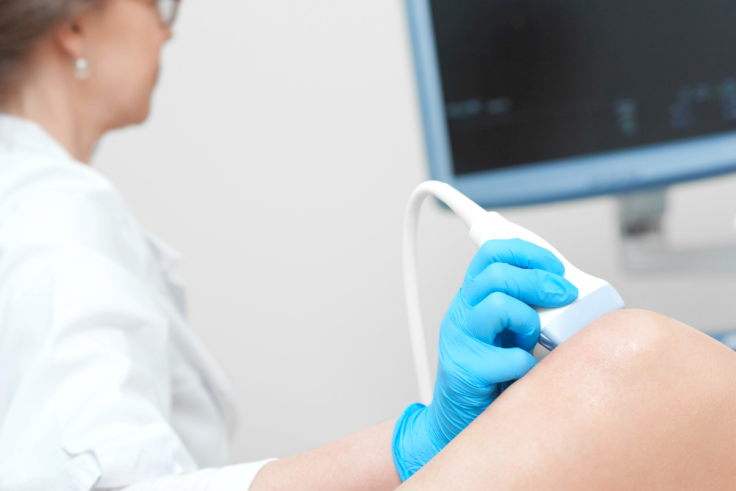
Dr Reincke explains that diagnostic ultrasound is the main test used to evaluate for deep vein thrombosis (DVT). When a pulmonary embolism is suspected, doctors often perform a CT pulmonary angiogram to check for clots in the lungs.
Can Blood Clots Be Prevented?
Not all clots can be prevented, but several measures can reduce risk:
- Keep moving during long journeys
- Stand up and walk regularly
- Stay hydrated
- Follow advice after surgery
- Wear compression stockings if prescribed
- Take preventive anticoagulants when recommended
Dr Reincke emphasises the importance of hydration, particularly for people at higher risk, including those with cancer, previous clots, clotting disorders or reduced mobility.
The Bottom Line
The symptoms of a blood clot are often easy to dismiss, especially when they resemble a muscle strain or cramp. The key warning signs are sudden one-sided swelling, persistent calf pain, redness or warmth of the leg, and any symptoms affecting breathing or the chest.
A clot that is recognised early is usually highly treatable. One that is ignored can become life-threatening. If something feels unusual, particularly if symptoms appear suddenly or worsen rather than improve, it is safer to seek medical advice promptly.
Frequently Asked Questions
- What are the symptoms of a blood clot?Symptoms include sudden swelling in one leg, calf pain, warmth, redness, shortness of breath, chest pain, and coughing up blood.
- When should I seek urgent medical help for a blood clot?Seek urgent help if you experience sudden one-sided leg swelling, leg pain with redness or warmth, sudden shortness of breath, chest pain, or coughing up blood.
- Can blood clots be prevented?Not all clots can be prevented, but risk can be reduced by staying hydrated, moving regularly during long journeys, and following medical advice after surgery.
- Who is at higher risk for blood clots?Higher risk groups include those with recent surgery, prolonged immobility, cancer, a personal or family history of clots, smoking, obesity, and those on hormonal contraception.