
TSA Bans Airport Security Officers From Sitting Down as Union Raises Health and Safety Alarm
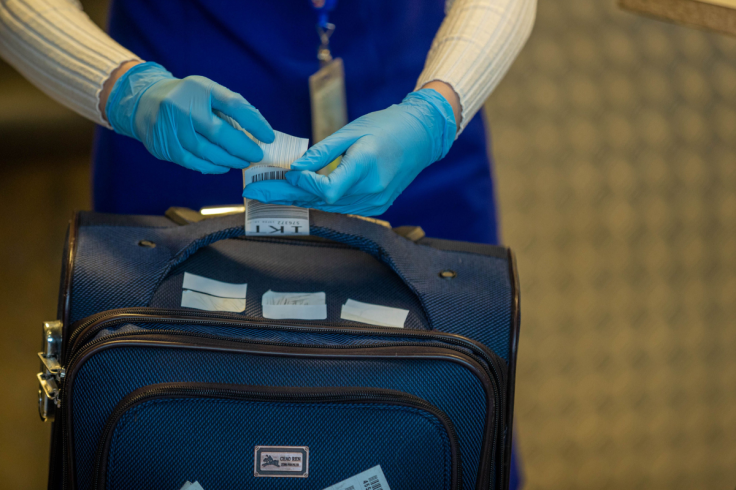
Airport security officers checking passengers' IDs and boarding passes will no longer be allowed to sit while working after the Transportation Security Administration (TSA) introduced a new nationwide policy.
Chairs are being removed from travel document checking podiums at airport security checkpoints, according to the union representing TSA screeners.
The American Federation of Government Employees (AFGE) TSA Council 100 has criticised the decision, arguing that the chairs provide important ergonomic support for employees who spend much of their working day standing and walking on hard surfaces.
TSA Says Standing Will Improve Passenger Experience
The TSA has defended the change, saying document-checking officers are often the first members of the agency passengers encounter at security checkpoints. Having officers on their feet, the agency said, is intended to keep them alert while creating a more welcoming and professional experience for travellers.
The union, however, said it learned about the change through its members rather than through formal notification. According to AFGE, chairs have already begun disappearing from checkpoints at most commercial airports.
AFGE described the decision as a disregard for worker safety and said chairs provide 'basic ergonomic and safety support' for officers. The union argued that access to them should not be treated as a workplace privilege.
What Can Prolonged Standing Do to the Body?
Standing itself is a normal human posture, but regularly working on your feet for prolonged periods can cause physical problems.
The Canadian Centre for Occupational Health and Safety (CCOHS) says regular prolonged standing can contribute to sore feet, swelling in the legs, muscular fatigue, lower-back pain, stiffness in the neck and shoulders and varicose veins.
Remaining upright requires sustained muscular effort, while prolonged standing without relief from walking can cause blood to pool in the legs and feet. Joints in the spine, hips, knees and feet can also be affected.
CCOHS recommends that workplaces give employees opportunities to change positions frequently. Where possible, workstations should allow workers to alternate between sitting and standing.
Even when a job primarily requires standing, the organisation recommends providing a seat so employees can sit occasionally.
Changes Under New TSA Leadership
The chair removal comes less than two months after David Cummins was confirmed as TSA administrator. Cummins has been overseeing an initiative known as Horizon 25, which is intended to modernise airport security while improving the passenger experience.
Plans announced under the programme include expanding TSA PreCheck, introducing new technology and potentially privatising some security checkpoints. The TSA has not said whether requiring document-checking officers to stand is formally connected to Horizon 25.
While the agency argues that having officers on their feet will create a more attentive and welcoming checkpoint experience, the union maintains that removing the chairs raises concerns about the health and safety of employees already spending much of their working day standing.