Can You Actually FEEL High Blood Pressure? Doctors Reveal the Silent Warning Signs Most People Miss
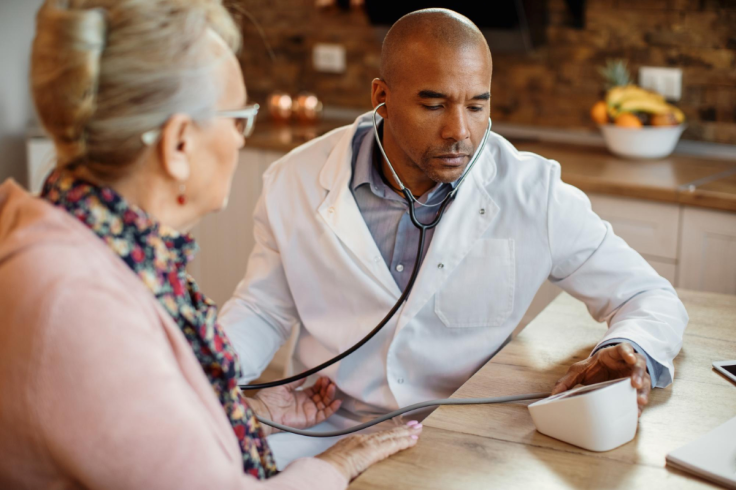
High blood pressure is often called a 'silent' condition because many people have no symptoms until complications develop. Experts explain why checking your blood pressure matters, warning signs to watch for, and how NHS monitoring can help detect it early.
You might expect high blood pressure (hypertension) to come with obvious warning signs, perhaps a pounding headache, dizziness or feeling unwell. But for most people, the reality is very different.
High blood pressure often develops without noticeable symptoms, meaning someone can feel completely healthy while the condition quietly increases strain on their heart, blood vessels, kidneys and brain.
That is why routine blood pressure checks are so important. Rather than relying on how you feel, healthcare professionals recommend monitoring your blood pressure regularly to identify problems before they lead to serious complications.
Dr Mohammad Saquib Alam, Assistant Professor of Internal Medicine at Jawaharlal Nehru Medical College Hospital, Aligarh Muslim University, shared his insights with Medical Daily, explaining why hypertension can be difficult to detect.
'High blood pressure is called a "silent" condition because most people cannot feel the pressure inside their arteries, even when it is causing gradual strain on the heart, brain, kidneys and blood vessels,' Dr Alam said. 'That is why routine checks matter: waiting for symptoms is the wrong strategy.'
Can You Actually Feel High Blood Pressure?
In most cases, no. High blood pressure refers to the force of blood pushing against artery walls being consistently too high. While this increased pressure can gradually damage blood vessels and organs, the body does not usually provide early warning signals.
This is why hypertension is often discovered during routine checks rather than after someone notices symptoms.
According to the NHS, the only way to know whether you have high blood pressure is to have it measured. A person's reading can vary depending on factors such as age, stress, physical activity, medication and underlying health conditions, making regular monitoring important.
Although some people associate headaches or dizziness with hypertension, these symptoms are not reliable indicators that someone has high blood pressure.
What Symptoms Could Signal Dangerously High Blood Pressure?
While ordinary hypertension usually has no symptoms, extremely high blood pressure or complications caused by it can produce warning signs.
Dr Alam says symptoms including:
- chest pain
- severe headache
- breathlessness
- weakness or numbness affecting one side of the body
- confusion
- visual changes
- difficulty speaking
should never be ignored, especially if accompanied by a very high blood pressure reading.
These symptoms 'may point to a complication rather than "ordinary" hypertension,' Dr Alam explained.
For example, sudden weakness, confusion or speech difficulties may indicate a stroke, while chest pain could be a sign of a heart-related emergency. Anyone experiencing these symptoms should seek urgent medical attention.
Why Is High Blood Pressure Dangerous If You Feel Fine?
The absence of symptoms does not mean high blood pressure is harmless.
Over time, consistently elevated blood pressure can damage artery walls and force the heart to work harder. This increases the risk of conditions including heart disease, stroke, kidney problems and other cardiovascular complications.
Because damage can occur silently, early detection plays an important role in reducing long-term health risks.
What Causes High Blood Pressure and Who Is at Risk?
Several factors can increase a person's chances of developing hypertension.
According to Dr Alam, risk can rise with:
- older age
- a family history of high blood pressure
- high salt intake
- obesity
- physical inactivity
- smoking
- excessive alcohol consumption
- diabetes
- kidney disease
- sleep apnoea
Some risk factors, such as age and family history, cannot be changed. However, lifestyle changes can help lower blood pressure and reduce cardiovascular risk.
Eating a balanced diet, staying physically active, maintaining a healthy weight, reducing salt intake and avoiding smoking can all support healthier blood pressure levels.
How Can You Check Your Blood Pressure at Home?
Home blood pressure monitoring can help people track their readings and provide useful information for healthcare professionals.
Dr Alam recommends using a validated upper-arm cuff and ensuring it is the correct size for accurate results.
'For home monitoring, use a validated upper-arm cuff, the right cuff size, sit quietly with feet flat and arm supported, avoid talking, take two readings a few minutes apart, and keep a diary,' he advised.
Taking two readings close together and recording the results over time can provide a clearer picture than relying on a single measurement.
Dr Alam says repeated home readings around or above 135/85 mmHg should prompt medical review, while clinic readings around or above 140/90 mmHg may indicate high blood pressure.
How Do NHS Blood Pressure Checks Work?
NHS blood pressure checks are designed to identify hypertension early, even in people who feel well.
Adults can have their blood pressure checked through GP surgeries, pharmacies and NHS Health Checks. If a reading suggests possible hypertension, healthcare professionals may recommend additional monitoring, such as ambulatory blood pressure monitoring, where readings are recorded over a 24-hour period.
This helps doctors confirm whether blood pressure remains consistently high or whether a single elevated reading was influenced by temporary factors such as stress.
Early diagnosis allows patients to receive appropriate support, which may include lifestyle advice, regular monitoring or medication where needed.
'NHS checks help identify hypertension early and connect patients with lifestyle advice, further monitoring and treatment,' Dr Alam said.
The Bottom Line
High blood pressure can be difficult to recognise because many people feel completely normal while it is affecting their health behind the scenes.
Rather than waiting for symptoms to appear, regular checks and awareness of personal risk factors are key to identifying hypertension early.
Whether through NHS screening, GP appointments or home monitoring, knowing your blood pressure numbers can help protect your heart, brain and kidneys before problems develop. As Dr Alam noted, 'waiting for symptoms is the wrong strategy,' because with high blood pressure, prevention often begins with detection.