PCOS Symptoms Explained: The Early Warning Signs and When to See Your GP
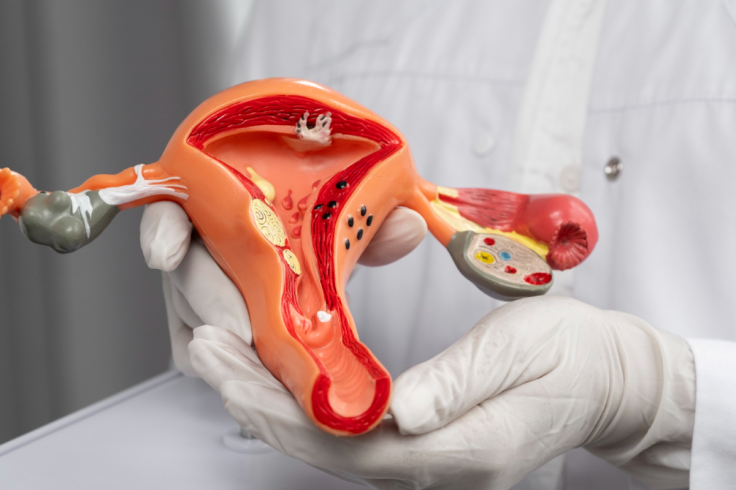
Polycystic ovary syndrome (PCOS) is one of the most common hormonal conditions affecting women of reproductive age, yet many people wait years before receiving a diagnosis.
Symptoms such as irregular periods, acne, weight changes and excess hair growth can be mistaken for normal variations, stress or lifestyle issues.
However, recognising early signs of PCOS is important because the condition can affect fertility, metabolic health and long-term wellbeing. With the right diagnosis and treatment, many symptoms can be managed effectively.
What Is PCOS?
PCOS is a hormonal condition that affects how the ovaries function and is linked with higher-than-normal levels of certain hormones, including androgens (sometimes called male hormones).
Despite its name, PCOS does not simply mean someone has ovarian cysts. Dr Jody-Ann McLean, a medical doctor specialising in women's hormonal and metabolic health, explains that the 'cysts' referred to in PCOS are often immature follicles rather than true cysts.
'PCOS is very complex, with both hormonal and metabolic aspects and body-wide effects, with insulin resistance being an important part of the condition,' she says.
The condition can affect menstrual cycles, ovulation, skin health, weight regulation and fertility.
What Are the Early Symptoms of PCOS?
PCOS symptoms vary significantly between women, and not everyone experiences the same combination of signs.
Common symptoms include:
Irregular Periods
One of the most common signs of PCOS is irregular ovulation, which can lead to:
- Infrequent periods
- Longer menstrual cycles
- Missed periods
- Difficulty predicting when a period will arrive
Because ovulation may not happen regularly, some women may struggle to conceive.
Acne and Oily Skin
Higher androgen levels can stimulate oil production in the skin, leading to persistent acne, particularly around the jawline, lower face and neck.
While occasional breakouts are common, ongoing acne that appears alongside other symptoms may be worth discussing with a GP.
Excess Hair Growth
Some women with PCOS experience hirsutism, which is unwanted hair growth on areas such as:
- The face
- Chest
- Abdomen
- Back
This is linked to increased sensitivity to androgen hormones.
Weight Gain or Difficulty Losing Weight
Weight changes are common among women with PCOS, although the condition can affect people of all body sizes.
Dr McLean explains that weight-related symptoms can sometimes be overlooked because PCOS has important metabolic features, including insulin resistance.
'Weight changes that are resistant to lifestyle changes and visceral fat accumulation around the abdomen are possible metabolic features that may not initially be recognised as part of the condition,' she says.
Skin Changes
Some women may develop signs associated with insulin resistance, including:
- Skin tags
- Acanthosis nigricans (dark, velvety patches of skin, often around the neck, armpits or skin folds)
These signs may be overlooked but can provide important clues during assessment.
How Is PCOS Diagnosed on the NHS?
There is no single test that confirms PCOS. In the UK, diagnosis usually involves assessing symptoms, medical history, examination findings and test results.
A GP may ask about:
- Menstrual cycle patterns
- Changes in weight
- Acne or excess hair growth
- Fertility concerns
- Family history of PCOS or related conditions
Blood tests may be carried out to measure hormone levels and rule out other possible causes of symptoms.
An ultrasound scan may also be used to examine the ovaries. However, having polycystic-looking ovaries alone does not necessarily mean someone has PCOS.
Diagnosis is usually based on meeting two out of three features from the Rotterdam criteria:
- Irregular or absent ovulation
- Signs of increased androgen levels (such as excess hair growth or raised hormone levels)
- Polycystic ovaries visible on ultrasound
Other causes of symptoms must first be excluded.
Can PCOS Affect Fertility?
PCOS is one of the most common causes of difficulty getting pregnant because irregular ovulation can make conception harder.
However, having PCOS does not mean pregnancy is impossible. Many women with the condition conceive naturally, while others may benefit from treatments that help stimulate ovulation.
Managing symptoms, improving metabolic health and seeking medical support early can improve fertility outcomes.
How Is PCOS Treated?
There is currently no cure for PCOS, but treatments can help manage symptoms and reduce health risks.
Treatment depends on individual symptoms and may include:
Lifestyle Changes
A balanced diet, regular physical activity and maintaining muscle strength can support metabolic health, particularly for women experiencing insulin resistance or weight-related symptoms.
Medication for Period Problems
Hormonal contraception, such as the combined contraceptive pill, may be offered to help regulate periods and manage symptoms such as acne or excess hair growth.
Fertility Treatment
For women trying to conceive, medications that encourage ovulation may be recommended.
Managing Insulin Resistance
Some women may be prescribed medications such as metformin to improve insulin sensitivity, particularly when metabolic issues are present.
Why Do Some Women Wait Years for a Diagnosis?
PCOS can be difficult to identify because symptoms often develop gradually and may appear unrelated.
A woman experiencing acne, irregular periods and weight changes may not immediately connect these issues to a hormonal condition.
Women's health advocate Spencer Moore says paying attention to personal symptoms is an important part of the diagnostic process.
'A woman's observations are an essential part of the diagnostic process,' he says. 'Only the woman herself can describe the symptoms she is experiencing and the impact they're having on her daily life.'
Keeping track of symptoms, menstrual patterns, and changes over time can help women have more productive conversations with healthcare professionals.
When Should You Speak to Your GP?
Consider speaking to your GP if you experience:
- Irregular or missed periods
- Persistent acne that does not improve with usual treatments
- Excess facial or body hair growth
- Difficulty becoming pregnant
- Unexplained weight changes
- Darkened skin patches or other signs of insulin resistance
PCOS affects every woman differently, and symptoms can range from mild to severe. While irregular periods, persistent acne or unwanted hair growth may seem unrelated, recognising these early warning signs can help lead to an earlier diagnosis and appropriate treatment. Anyone experiencing ongoing symptoms should speak to their GP, as timely assessment can help manage the condition, protect long-term health and improve fertility outcomes where needed.