RSV in Adults Can Be Serious: The Early Warning Signs Many People Mistake for a Cold
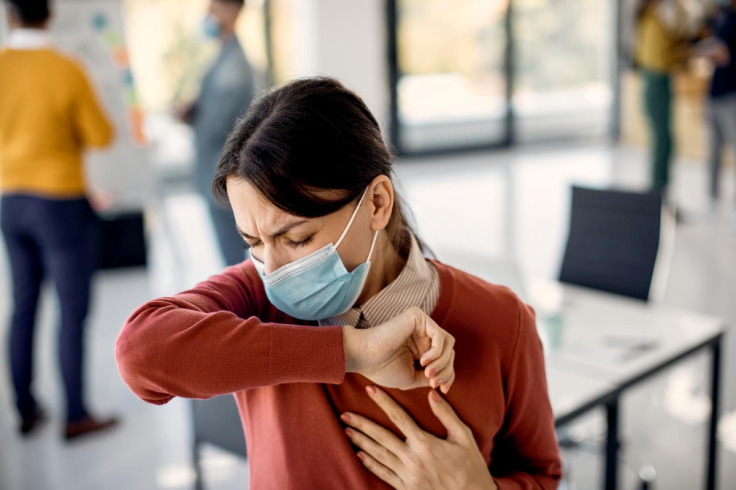
Respiratory syncytial virus (RSV) is often associated with infants and young children, but adults can also become infected, and in some cases, the illness can be severe.
For many healthy adults, RSV causes symptoms similar to a common cold and improves within a week or two. However, older adults, people with weakened immune systems and those living with chronic health conditions may face a greater risk of complications, including pneumonia and worsening respiratory problems.
Understanding the symptoms of RSV in adults can help people recognise when they may need medical advice rather than simply waiting for symptoms to pass.
What Is RSV?
RSV is a common respiratory virus that infects the nose, throat and lungs. It spreads mainly through respiratory droplets released when an infected person coughs or sneezes, as well as through contact with contaminated surfaces.
Most people are exposed to RSV at some point during their lives. While infection often leads to mild symptoms, the virus can cause more serious illness in vulnerable groups.
According to GOV.UK, RSV is one of the common causes of respiratory infections, particularly during the colder months when viruses spread more easily.
Common RSV Symptoms in Adults
RSV symptoms in adults can vary depending on age, immune health and existing medical conditions.
Many adults experience symptoms similar to those caused by a cold, including:
- Runny nose
- Sore throat
- Cough
- Sneezing
- Mild fever
- Headache
- Fatigue
- Reduced appetite
Some people may also experience wheezing or a feeling of chest tightness, particularly if the infection affects the lower airways.
Symptoms usually appear around four to six days after exposure to the virus and often improve gradually over one to two weeks.
However, symptoms can last longer in older adults or people with underlying health conditions.
RSV Symptoms That May Be More Serious
While RSV is usually mild in healthy adults, it can sometimes progress to a more serious respiratory infection.
Warning signs that may require medical attention include:
- Difficulty breathing or shortness of breath
- Persistent wheezing
- Chest pain or pressure
- Bluish lips or fingertips
- Confusion or unusual drowsiness
- Symptoms that worsen after initially improving
- High fever or signs of dehydration
Older adults may not always develop obvious symptoms such as fever, meaning changes in breathing, energy levels or general wellbeing should not be ignored.
Who Is Most at Risk From Severe RSV?
Although anyone can catch RSV, certain groups are more likely to develop complications.
Higher-risk adults include:
- People aged 65 and over
- Adults with chronic lung conditions, such as asthma or chronic obstructive pulmonary disease (COPD)
- People with heart disease
- Those with weakened immune systems due to illness or medical treatments
- People with diabetes or other long-term health conditions
For these groups, RSV can increase the risk of complications such as bronchitis or pneumonia.
RSV Symptoms vs Cold, Flu and COVID-19
RSV symptoms can overlap with several other respiratory illnesses, making it difficult to identify the cause based on symptoms alone.
Like RSV, colds, flu and COVID-19 can cause coughing, tiredness, sore throat and fever.
However, RSV is more likely to cause problems affecting the lower respiratory tract, particularly in vulnerable adults. Wheezing, breathing difficulties and worsening respiratory symptoms may suggest a more significant infection.
Testing may be needed to distinguish between RSV, influenza and COVID-19, particularly for people at higher risk of complications.
When Should Adults See a GP?
Most adults with RSV recover with rest, fluids and supportive care. However, medical advice should be sought if symptoms become severe, last longer than expected or interfere with normal activities.
Speak to a GP if you experience:
- A cough that is worsening or persistent
- Increasing breathlessness
- Symptoms that are not improving after several days
- Fever that does not settle
- Difficulty managing everyday activities due to fatigue or breathing problems
People at higher risk of severe illness should seek advice earlier, as treatment and monitoring may help prevent complications.
How Is RSV Treated in Adults?

There is no specific antiviral treatment routinely used for most healthy adults with RSV. Management usually focuses on relieving symptoms while the body fights the infection.
This may include:
- Getting plenty of rest
- Drinking enough fluids
- Taking over-the-counter medicines to relieve fever or discomfort
- Using prescribed inhalers if recommended for breathing symptoms
Can Adults Prevent RSV?
Reducing exposure to RSV can lower the chance of infection.
Helpful prevention measures include:
- Washing hands regularly
- Avoiding close contact with unwell people
- Covering coughs and sneezes
- Cleaning frequently touched surfaces
- Staying home when experiencing respiratory symptoms
Vaccination options for RSV are also becoming increasingly available for certain adult groups, particularly older adults and those at increased risk.
Eligibility recommendations vary by country and may change over time, so people should speak with a healthcare professional about whether vaccination is appropriate for them.
The Bottom Line
RSV is often considered a childhood illness, but adults can also become infected and, in some cases, develop serious complications.
For most healthy adults, symptoms are mild and temporary. However, older people and those with underlying health conditions should be aware of warning signs such as worsening cough, breathing difficulties, chest discomfort or extreme fatigue.
Recognising symptoms early and seeking medical advice when needed can help reduce the risk of severe illness and support a faster recovery.