
28-Year-Old Shaved an Area Millions of Women Do, Days Later She Was Fighting a Life-Threatening Infection
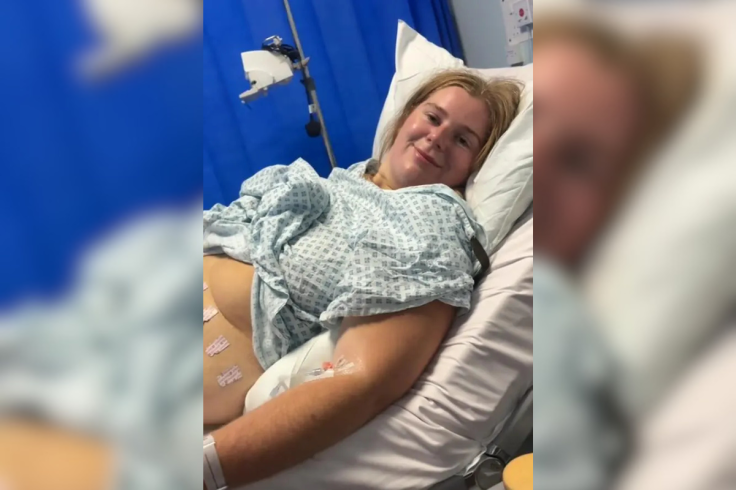
A 28-year-old woman was taken to hospital after shaving her bikini line was followed by an ingrown hair that led to a serious infection. What began as a regular grooming routine turned into a major medical issue, highlighting how something as simple as an ingrown hair can sometimes lead to serious complications.
When should an ingrown hair become more than just a minor bother?
What Happened to the 28-Year-Old Woman?
Christy Collins, a 28-year-old content creator from Bournemouth, UK, noticed a small lump on her bikini line after spending a hot day in London wearing shorts. She first thought it was an ingrown hair or a boil and tried to squeeze it.
Collins said the lump grew fast, turning red and painful, and soon spread from her bikini area down to her bottom. She also started feeling weak, dizzy, and had trouble seeing and hearing clearly.
Collins said that she was first given antibiotics after speaking to the doctor, but her illness kept getting worse. A friend finally encouraged her to go to the hospital, and there, the doctors found she had sepsis and performed emergency surgery to take out the infected tissue.
She stayed in the hospital for five days and was left with a big open wound that needed to be dressed every day. She is still taking antibiotics and depends on her mother for support as she gets better.
Can Shaving Cause Ingrown Hairs?
Shaving can increase the risk of ingrown hairs, particularly if the hair is trimmed very close to the skin's surface. As the hair starts to grow again, it might bend back into the skin rather than growing straight out, which can create a tiny, swollen or sore lump.
Pubic hair is often more likely to become ingrown because it is usually thicker and curlier than other types of hair. Shaving against the direction of hair growth, using a blunt razor or repeatedly irritating the skin can also raise the risk.
Most ingrown hairs aren't a big deal and usually go away by themselves. Sometimes, an ingrown hair can become infected, especially if the area is scratched, picked or squeezed.
Can Ingrown Hairs Become Infected?
An ingrown hair may get infected if bacteria get into the skin near the trapped hair. The area might turn redder, become swollen, feel warm or become painful, and there could be pus forming around the bump.
If you pick or squeeze an ingrown hair, it can damage the skin and allow bacteria to get in more easily. In some situations, the infection can grow into a bigger buildup of pus, called an abscess, which might need medical care.
However, most ingrown hairs don't result in serious infections. An infected ingrown hair that becomes serious enough to lead to sepsis is rare, but if symptoms get worse, they should not be overlooked.
How Can an Infection Turn Into Sepsis?
Sepsis occurs when the body's reaction to an infection becomes too strong and begins to harm its own tissues and organs. It's a serious medical condition that can come on suddenly and pose a risk to someone's life.
Almost any infection can cause sepsis, even those that start in the skin. If an infection keeps getting worse, it can trigger a series of harmful effects in the body that might lead to tissue damage, organ failure and, in the worst cases, death.
Signs of sepsis may include having a fever or feeling extremely cold, shivering, confusion, severe pain or discomfort, a rapid heartbeat, clammy or sweaty skin, or trouble breathing. If an infection isn't getting better or is getting worse, you should get medical help right away.
What Are the Warning Signs of an Infected Ingrown Hair?
An infected ingrown hair can become more red, swollen, warm or painful over time. Pus or some other fluid might also form around the area, and the lump may keep growing instead of getting better.
If the infection spreads, you might develop a fever, shivering or feel generally unwell. Redness or swelling that extends beyond the original area might mean the infection is becoming more serious.
These symptoms don't always mean a person has sepsis, but they might show that an infection needs medical attention. Getting treatment early can help prevent a local skin infection from getting worse.
Shaving the bikini area can increase the risk of ingrown hairs, but most are minor and clear up on their own. In rare cases, an infection that develops around an ingrown hair can become more serious.
The case of Collins highlights why worsening pain, swelling, redness, pus, fever or feeling unwell should not be ignored. While an ingrown hair does not usually lead to sepsis, signs of a serious infection need prompt medical attention.
Frequently Asked Questions
- What can cause an ingrown hair to become infected?An ingrown hair can become infected if bacteria enter the skin near the trapped hair, especially if the area is scratched, picked, or squeezed.
- What are the warning signs of an infected ingrown hair?Warning signs include increased redness, swelling, warmth, pain, pus formation, and the lump growing instead of healing.
- How can shaving lead to ingrown hairs?Shaving can cause ingrown hairs if the hair is cut very close to the skin, causing it to grow back into the skin rather than outwards.
- What should you do if an ingrown hair becomes infected?If an ingrown hair becomes infected, seek medical attention, especially if symptoms worsen or if there are signs of a serious infection.
- Can an ingrown hair infection lead to sepsis?While rare, an ingrown hair infection can lead to sepsis if the body's response to the infection becomes too strong and starts harming its own tissues and organs.