
Vomiting and Diarrhoea in Children: How To Prevent Dehydration and When To Go to Hospital
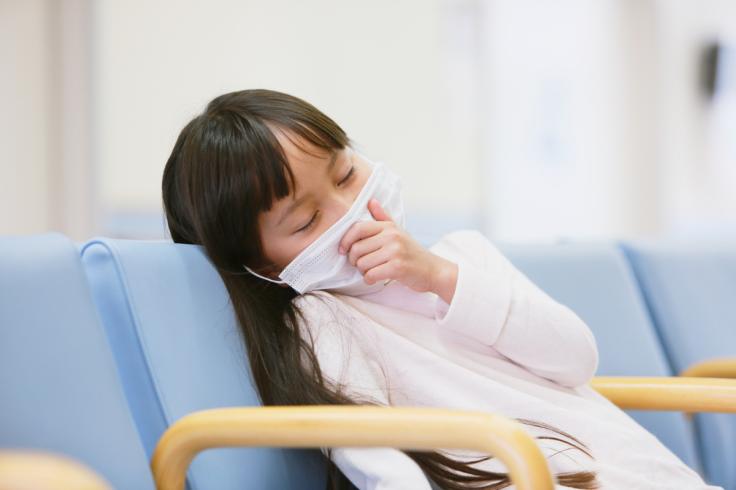
Vomiting and diarrhoea are among the most common reasons young children suddenly become unwell. In most cases, a stomach bug such as viral gastroenteritis settles within days and can be managed at home. But for babies and young children, losing too much fluid can quickly become a concern.
The key issue for parents is not simply stopping the vomiting or diarrhoea, it is making sure a child continues to replace the water and salts they are losing.
NHS guidance says vomiting in children usually settles within one to two days, while diarrhoea commonly lasts around five to seven days.
Why Do Children Vomit and Have Diarrhoea?
The most common cause is gastroenteritis, often triggered by a virus. Children can also develop these symptoms from food poisoning and, less commonly, other infections, food intolerances, medicines or gastrointestinal conditions.
A typical stomach bug may cause vomiting, watery stools, stomach cramps and sometimes a fever. It can spread particularly easily between children in households, nurseries and schools.
Most children recover without specific treatment. The priority is maintaining adequate fluid intake while the illness runs its course.
Why Is Dehydration the Biggest Concern?
Vomiting and diarrhoea can cause the body to lose both fluid and important salts. Children, particularly babies and those under five, are more vulnerable to dehydration.
Dr Amy Edwards, a paediatric infectious disease specialist and associate professor of paediatrics at Case Western Reserve University, highlights 'dry mouth, reduced urine, and expressed thirst' as important indicators that a child may be becoming dehydrated.
More advanced dehydration can cause signs such as sunken eyes and reduced skin elasticity. NHS guidance also lists dark urine, fewer wet nappies, tiredness, dizziness and a dry mouth, lips or tongue among possible signs.
The practical message is simple: parents should pay attention to how much their child is drinking and urinating, rather than waiting until dehydration becomes obvious.
How Can Parents Keep a Child Hydrated?
When a child is vomiting, offering a large drink at once may make them sick again. Instead, give small amounts frequently.
NICE recommends giving oral rehydration solution (ORS) frequently and in small amounts. ORS replaces not only water but also salts lost through vomiting and diarrhoea.
Dr Edwards also recommends making fluids easy to access. During illness, this means offering small, frequent drinks rather than expecting a child to drink a large amount at once.
On normal days, keeping water within a child's reach can also encourage them to respond naturally to thirst.
For babies, breastfeeding should continue. Formula-fed babies should continue their normal-strength formula rather than having it diluted.
Should Children Drink Water, Juice or Rehydration Solution?
For mild illness, children can usually continue taking their usual fluids. However, ORS can be particularly useful when vomiting or diarrhoea is causing significant fluid loss because it contains an appropriate balance of water and salts.
Parents should avoid giving young children fruit juice or fizzy drinks during diarrhoea, as these can make symptoms worse.
If a child refuses ORS and has no red-flag symptoms, NICE says usual fluids, including milk feeds or water, may be considered. However, medical advice should be sought if dehydration is developing or the child cannot maintain fluid intake.
What About Food?
Fluids are the immediate priority, but children should generally return to their normal diet once they are able to eat.
There is no need to force food while a child feels sick. Once their appetite returns, normal foods can be reintroduced. NHS guidance advises eating when able and continuing breastfeeding or normal formula feeding.
The bigger concern is a child who refuses drinks or cannot keep them down.
When Should Parents Call NHS 111?
Parents should seek medical advice if they are concerned about dehydration or the illness is not following the expected pattern.
NHS guidance recommends contacting 111 urgently if a child under five develops signs of dehydration, such as fewer wet nappies, or if a child repeatedly vomits and cannot keep fluids down.
It also recommends urgent advice for bloody diarrhoea or diarrhoea lasting more than seven days, or vomiting lasting more than two days.
Other Warning Signs You Should Be Wary Of
- Much less drinking. A child who is taking substantially less fluid than usual needs closer monitoring.
- Reduced urine. Fewer wet nappies or noticeably less frequent urination can indicate fluid loss.
- Persistent vomiting. Repeated vomiting that prevents fluid replacement warrants medical assessment.
- Blood in stools. Bloody diarrhoea requires prompt medical advice.
NICE also identifies increasing lethargy or irritability, decreased urine output, pale or mottled skin and cold extremities as possible indicators of dehydration in young children.
When Should a Child Go to A&E?
Some symptoms require immediate medical attention rather than waiting for a GP appointment.
Parents should call 999 or go to A&E if a child is seriously unwell, particularly if they develop signs that could indicate severe dehydration, shock or another serious illness.
These include:
- Green or yellow-green vomit. NHS guidance specifically advises emergency assessment for green or yellow-green vomit in children.
- Blood in vomit. Vomiting blood or material resembling coffee grounds is an emergency.
- Altered consciousness. A child who is confused, unusually sleepy or difficult to wake needs urgent help.
- Breathing problems. Severe difficulty breathing or very rapid breathing requires emergency assessment.
- Abnormal skin colour. Blue, grey, pale or blotchy skin can be a sign of serious illness or shock.
Severe dehydration may require hospital treatment, including fluids delivered through a tube into the stomach or directly into a vein. NICE recommends intravenous fluids in situations such as suspected shock, deterioration despite oral rehydration or persistent vomiting that prevents ORS from being retained.
How Can Families Stop Stomach Bugs Spreading?
Gastroenteritis can spread rapidly within families, so hygiene matters even after a child starts feeling better.
Wash hands thoroughly with soap and water, particularly after using the toilet or changing nappies. Clean contaminated surfaces and wash soiled clothing and bedding separately.
The NHS advises children to stay away from school or nursery until they have been free from vomiting or diarrhoea for at least 48 hours.
Always Take Note of the Symptoms
Most childhood vomiting and diarrhoea will pass without hospital treatment. The crucial task for parents is preventing dehydration by offering fluids frequently and monitoring urine output, thirst and changes in behaviour.
As Dr Edwards notes, 'dry mouth, reduced urine, and expressed thirst' are important early clues. Sunken eyes, reduced skin elasticity, unusual sleepiness or difficulty waking can indicate more severe dehydration.
If a child cannot keep fluids down, is becoming dehydrated or develops blood in the stool, parents should seek urgent medical advice. Green vomit, severe breathing difficulties, altered responsiveness or signs of shock require emergency care.
Frequently Asked Questions
- What are the common causes of vomiting and diarrhoea in children?The most common cause is gastroenteritis, often triggered by a virus. Other causes include food poisoning, infections, food intolerances, medicines, or gastrointestinal conditions.
- How can I prevent dehydration in my child during vomiting and diarrhoea?Ensure your child drinks small, frequent amounts of fluids, use oral rehydration solutions, and monitor for signs of dehydration.
- When should I seek medical advice for my child's vomiting and diarrhoea?Seek medical advice if your child shows signs of dehydration, cannot keep fluids down, has blood in their stool, or if symptoms persist beyond the usual duration.
- What fluids are recommended for a child with vomiting and diarrhoea?Oral rehydration solutions are recommended as they replace lost salts and fluids. Avoid fruit juice and fizzy drinks.
- How can I prevent the spread of stomach bugs in my family?Practice good hygiene by washing hands thoroughly, cleaning contaminated surfaces, and keeping your child home from school or nursery until they are symptom-free for 48 hours.