
Is Your Ready Meal Wrecking Your Liver? Dietitians Name the Ultra-Processed Foods to Avoid
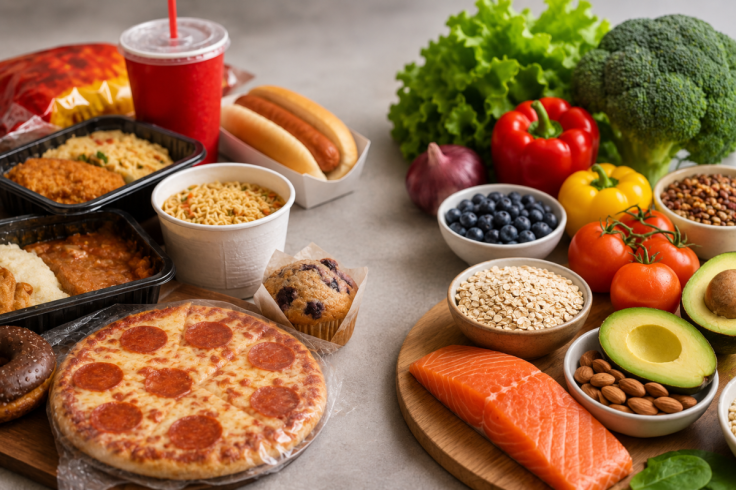
A ready meal is not automatically harmful to your liver, but regularly relying on ultra-processed foods may be a concern. Dietitians recommend limiting foods high in refined carbohydrates, added sugars, salt and saturated fat.
Supporting liver health means eating more whole and minimally processed foods while cutting back on foods that provide calories with little nutritional value.
What Makes a Ready Meal Ultra-Processed?
Ultra-processed foods are made using industrial techniques and contain little or no whole foods. They may contain added sugars, salt, artificial colours and additives such as high-fructose corn syrup.
Examples include microwave meals, frozen pizza, instant soups, packaged pastries, chips, ice cream and sugar-sweetened beverages.
A Johns Hopkins Bloomberg School of Public Health analysis found that more than half of calories eaten at home by US adults come from ultra-processed foods. Research linking these foods with health problems is observational, showing associations rather than proving direct causation.
Foods Dietitians Say to Limit
Processed meats such as bacon, sausages, hot dogs and deli meats can be high in saturated fat, sodium and preservatives.
Amy Kennett, M.S., RDN, CCTD, says this combination can contribute to insulin resistance and metabolic syndrome, changes that may promote fat build-up and inflammation in the liver.
Research suggests processed-meat consumption may increase the risk of metabolic dysfunction-associated steatotic liver disease (MASLD).
Packaged pastries, chips and microwave meals can also be low in fibre while high in refined carbohydrates, added sugars, salt and saturated fat.
Dietitian Kat Durston, RDN, LDN, says this combination can promote fat storage in the liver. Research she cites found higher ultra-processed food intake was associated with greater risks of fatty liver, fibrosis and cirrhosis.
Fast food and fried foods can likewise be high in refined carbohydrates, unhealthy fats and sodium. Common examples include French fries, deep-fried chicken and burgers.
Research cited by Durston found that people getting at least 20% of their daily calories from fast food had significantly higher liver fat, with stronger findings among people with obesity or diabetes.
Alcohol is a separate but important concern. Excessive consumption can inflame and damage the liver, increasing the risk of fatty liver disease, alcohol-associated hepatitis, cirrhosis and cancer.
The liver does not distinguish between spirits, beer or wine when processing alcohol. Kennett recommends avoiding alcohol or limiting consumption to fewer than seven drinks weekly.
What Can You Eat Instead?
Dietitians recommend fruits, vegetables, whole grains, beans, lentils, nuts, seeds, chicken and fish.
Simple swaps include adding beans or lentils to salads, choosing brown rice instead of white rice and having oatmeal for breakfast. Salmon, sardines and mackerel are rich in omega-3s, with Durston recommending at least two servings of fatty fish per week.
Black coffee and unsweetened tea have been associated with reduced fat storage in the liver. Unsweetened seltzer can replace regular soda, which may be high in fructose.
Excessive fructose can increase the liver's production of fat and potentially contribute to fat accumulation and MASLD.
Reading food labels can help identify high-fructose corn syrup and hydrogenated fat. Dietitians recommend choosing alternatives or consuming them less often.
At the grocery store, shopping the perimeter first can help prioritize whole or minimally processed foods before moving into the aisles as needed.
Ultra-processed foods do not have to be completely banned. They can occasionally be useful when time is short.
The key is not to rely on them. A diet built around more fresh and whole foods—and fewer processed meats, ultra-processed foods, fast food, fried foods and alcoholic drinks—can help support liver health.
Frequently Asked Questions
- What are ultra-processed foods?Ultra-processed foods are made using industrial techniques and contain little or no whole foods, often with added sugars, salt, and artificial additives.
- Why should processed meats be limited?Processed meats can be high in saturated fat, sodium, and preservatives, which may contribute to insulin resistance and liver inflammation.
- What are some healthy food alternatives for liver health?Healthy alternatives include fruits, vegetables, whole grains, beans, lentils, nuts, seeds, chicken, and fish.
- How does alcohol affect liver health?Excessive alcohol consumption can inflame and damage the liver, increasing the risk of fatty liver disease and other liver conditions.