
More Than 145,000 Receive 9/11-Related Care as Program Member Deaths Near 10,000
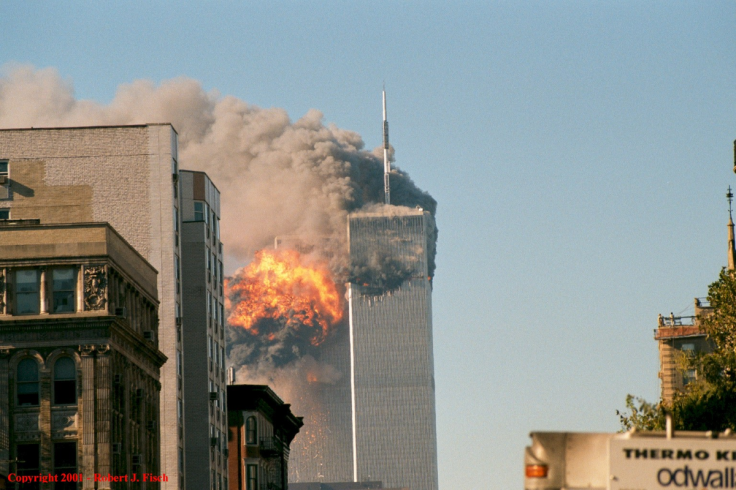
Twenty-five years after the 11 September terrorist attacks, the health consequences are still unfolding. More than 145,000 people are receiving treatment or monitoring for conditions linked to their exposure to the World Trade Center site, while nearly 10,000 members of the World Trade Center Health Program have died after developing serious illnesses, although the programme does not track whether their deaths were related to 9/11.
The figures highlight how the effects of the attacks extended far beyond the 2,977 people who died on 11 September 2001. First responders, recovery workers, residents, office workers, and others exposed to the toxic dust and debris have continued to develop serious health problems years and, in some cases, decades later.
Cancer Has Become a Major Concern
Cancer is now one of the most significant health problems among people affected by 9/11 exposure. 54,956 people in the World Trade Center Health Program have received cancer-related certifications, with cases divided roughly equally between first responders and survivors.
The most commonly reported cancers include non-melanoma skin cancer, prostate cancer, and breast cancer. Recent data from Northwell Health also found a 75% increase in 9/11-related cancer cases between 2023 and 2025 among patients treated through its programme.
Doctors have warned that the cancer burden could continue to increase as more people reach the age when certain cancers become more common.
Respiratory Problems Remain Widespread
Cancer is not the only long-term consequence of exposure to the toxic cloud that engulfed Lower Manhattan after the towers collapsed.
According to World Trade Center Health Program data, 42,302 people have been diagnosed with chronic rhinosinusitis, while approximately 39,099 have gastroesophageal reflux disease and 23,085 have asthma.
The dust contained numerous hazardous substances, including asbestos and other known carcinogens. People who worked at or lived near Ground Zero could have inhaled these substances during the attacks and the lengthy recovery operation that followed.
Mental Health Has Also Been Affected
The psychological consequences have been substantial. 17,985 people in the programme have been diagnosed with post-traumatic stress disorder, illustrating how the impact of the attacks has extended beyond physical disease.
For some survivors and first responders, physical illness and psychological trauma have also occurred together, potentially making long-term recovery more complicated.
Why Are People Still Becoming Sick 25 Years Later?
Some 9/11-related illnesses can take years to develop. Cancer, for example, may emerge long after an individual has been exposed to a carcinogen. This means that the passage of time does not necessarily mark the end of the health consequences.
The continuing toll has also prompted new research. The US Centers for Disease Control and Prevention is preparing a major study of people who were children or in utero and living near the World Trade Centers at the time of the attacks.
The research is expected to help scientists understand whether exposure during childhood or pregnancy contributed to health problems later in life.
Twenty-five years on, the figures make one point clear: for thousands of people exposed to the toxic aftermath of 11 September, the health consequences did not end when the smoke cleared.